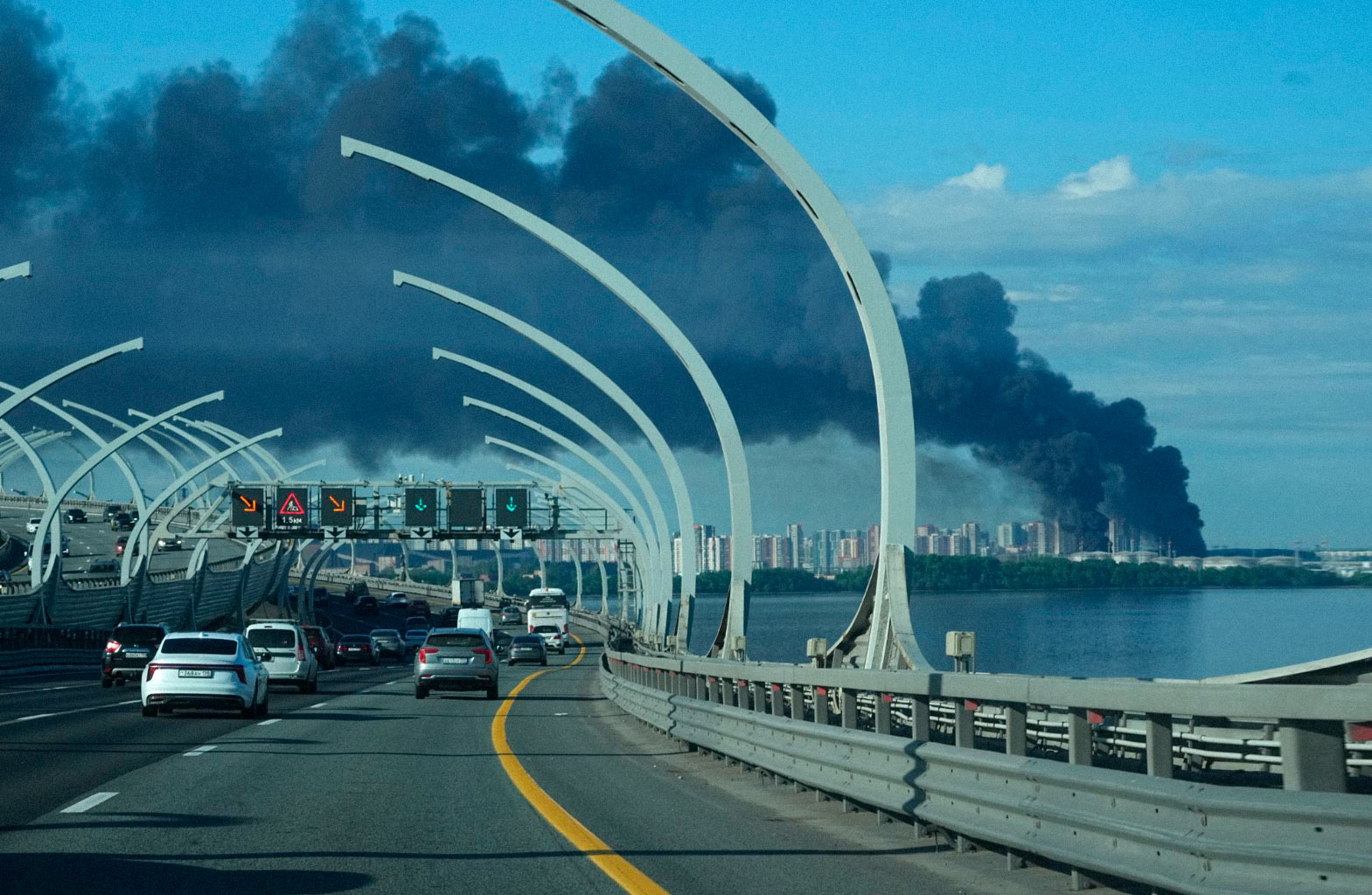
Smoke over St. Petersburg after drone strikes on June 3. Photo: AP / Scanpix / LETA
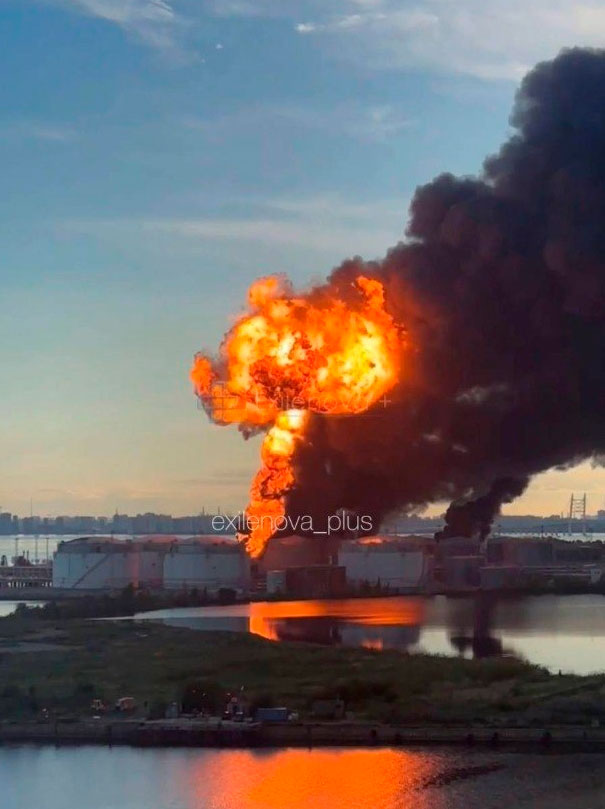
Evgenia Albats*: At the end of last week, the St. Petersburg International Economic Forum took place. On June 3, the day it opened, the Armed Forces of Ukraine struck drones at Kronstadt, hit an oil depot, and in all the pictures from St. Petersburg, a black column of smoke was visible. This is not the first such strike. On May 17, Ukrainian drones hit Moscow, broke through air defense, and this, as I understand it, is the best air defense in the country. There was an attack of 160 drones, some of which hit targets in Moscow and the Moscow region. A number of analysts, for example, the director of Re: Russia Kirill Rogov*, write that the trend of this war has turned again. Quote:
 «...For a long time, it was believed that Ukraine was doomed to lose the war in the air until it had cruise ballistic missiles, which are the main striking force of Russian combined strikes on Ukrainian infrastructure. Many Western analysts and arms manufacturers insisted on this. But the meaning of the spring Ukrainian air offensive, a powerful wave of strikes on Russian oil and other infrastructure deep in the Russian rear during March-May, is that it questions this belief. And this is another sharp turn in the methods of warfare, another change in the rules of the game...»
However, on June 4, Financial Times published an interview with Latvian General Kaspars Pudans, who says that Russia still poses a very serious threat, as it has an absolute advantage in the production of drones on a very large scale. The general warns that Russia may strike Europe, particularly the Baltic countries, in 2029. These are two opposing views. What can you say about the power of Russia, which, as we see, systematically strikes Ukrainian cities — a week ago, Ukrainian President Volodymyr Zelensky spoke about this. Almost 600 units of various flying means, including ballistic missiles, struck Kyiv, Kharkiv, Dnipro. What do you say, what are the forces of both sides?
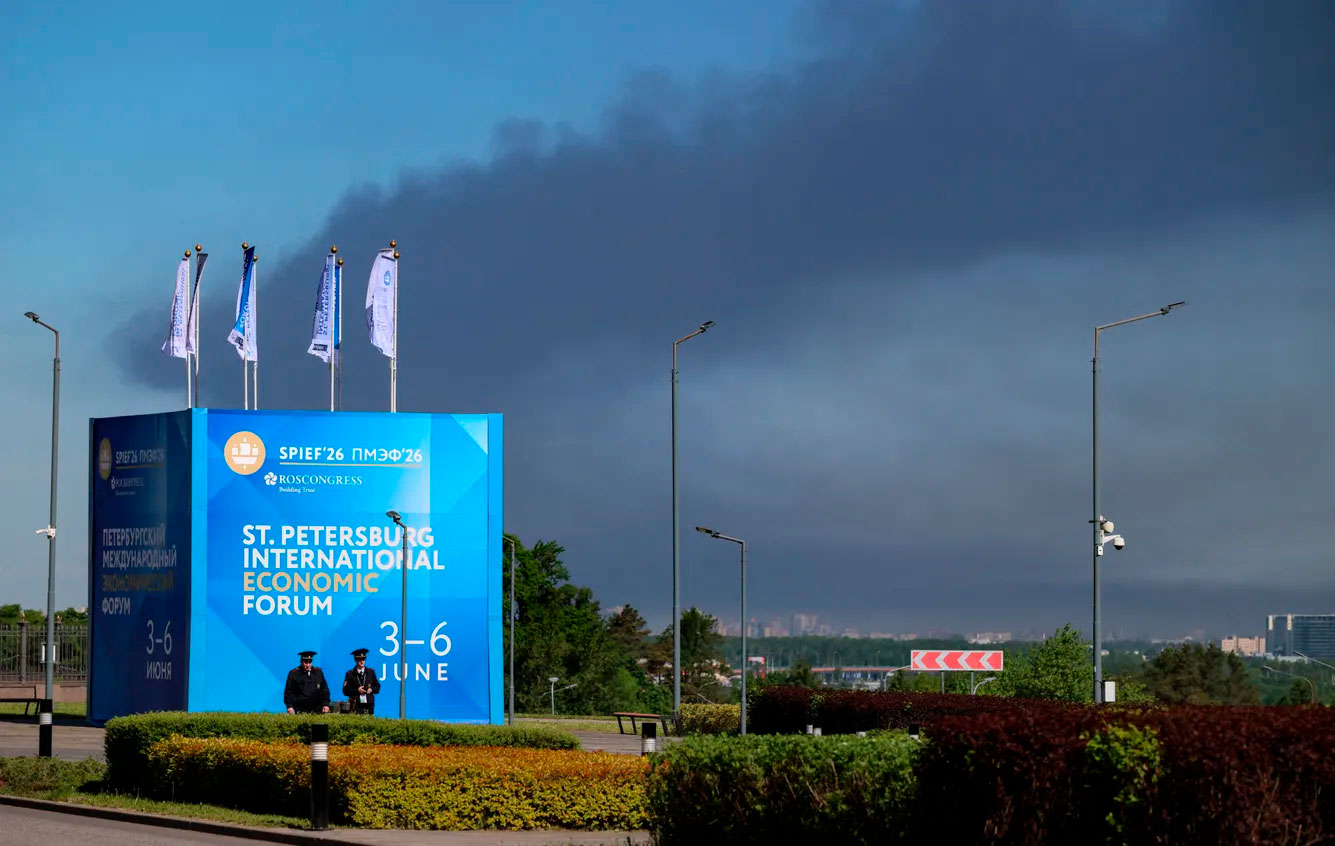
Photo: Reuters / Scanpix / LETA
Bet on Ballistics
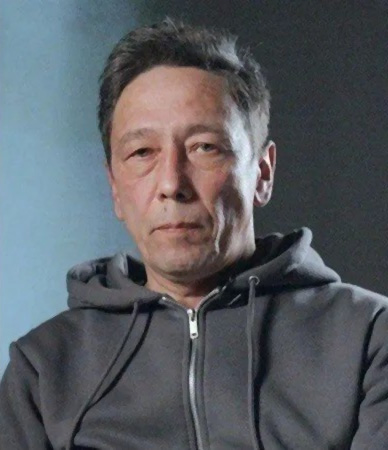 Ilya Abishev: I would first of all emphasize the use of missiles by Russia — both ballistic and cruise, but primarily ballistic — rather than drones. The scaling of drone production, of course, is also happening in Russia, but as we have seen for at least the last 2-2.5 years, the greatest danger to Ukraine is precisely missiles and primarily ballistic missiles, which are becoming increasingly difficult to counter. And, in general, hardly any country in the world is capable of shooting down ballistic missiles in any optimal quantity for such a long time. Moreover, we clearly see that Russia not only bets on ballistic missiles but has sharply increased their production volume. If at the beginning of the Russian invasion, Western and Ukrainian intelligence estimated the production volumes of the same operational-tactical missiles for the Iskander complex at about 5-6 units per month, according to current Ukrainian intelligence estimates, Russia produces about three ballistic missiles a day. Plus, approximately the same number of X-101 cruise missiles are produced. These are air-launched missiles, launched from strategic bombers. About the same volumes for Kalibrs, about two pieces a day.
For others, a little less, but nevertheless, the volumes are quite threatening. One Kinzhal missile is produced in about two days. For Zircon-type missiles, similar indicators. This does not include other missiles, say, like the X-59 and others, which the Russian army is not yet focusing on, but even one ballistic is enough.
Evgenia Albats: How is this possible, please explain to me, if Russia does not produce chips? I remember when the Bulava tests were still underway, my sources in the government said that chips for the Bulava were purchased in the United States. As far as I understand, the same situation was with Iskanders, with Kalibrs. How and from where does Russia get the components to mass-produce cruise and ballistic missiles?
There were many jokes that Soviet microchips were the largest in the world, but nevertheless, the USSR knew how to make electronics, albeit poorly. It may not have met world standards, but it fits into an Iskander missile
Ilya Abishev: Firstly, Russia's capabilities in terms of electronics are somewhat underestimated. I often hear from Western media that supposedly no chips are made in Russia. In fact, it's not quite like that. Iskander missiles began to be developed back in the Soviet Union. Of course, there were many jokes that Soviet microchips were the largest in the world, but nevertheless, the USSR knew how to make electronics, albeit poorly. It may not have met world standards, and you can't put it in a smartphone now, and it's hard to assemble a laptop from it, and it probably won't fit into a plasma TV either, but believe me, it fits into an Iskander missile, which has a launch mass of 4 tons. Another thing is that it is not so modern, it may not provide accuracy within a radius of 5 or 10 meters. But the missile does not become less dangerous because of this.
The second point is that Russia buys the same chips from many leading global manufacturers through gray schemes and intermediaries. No one denies this either. The wreckage was examined, studied. The same X-101 missiles, as a rule, have all Western chips inside. Made in Germany, in the USA, not to mention Taiwanese and Chinese microchips. And this is purchased through intermediaries. It is very difficult to fight this. Of course, no one sells directly to Russia, but there is an opportunity to buy such chips.
Evgenia Albats: So there are no restrictions on the number of missiles that Putin's guys can produce at all? Okay, I understood about the chips. And the production capacities that allow producing huge blanks in such quantities?
Ilya Abishev: Producing blanks is not such a big problem; you can find lathes throughout large Russia. The problem of scaling the production of such items as missiles, as airplanes, is not in the difficulty of manufacturing the body and not in the difficulty of manufacturing the warhead. The main difficulty is the engine and the electronic filling. Because electronics are used everywhere in a modern missile. This includes inertial navigation, satellite communication, sensors, launch coordination systems, flight coordination systems, and so on. It's all mostly electronics.
You Can Keep Producing
Evgenia Albats: In the nineties, I did a big investigation called "Our Man in Tehran." It was about Iran buying Soviet, then Russian scientists at bargain prices who were engaged in missiles. Iran had a missile developed by the Makeyev Design Bureau in Miass. But they had the missile, and they couldn't make it. One of the problems there was with composite materials. I knew specific people whom the FSB then sold to Iran; it was the business of the security officers. They traveled there and told me what the problem was with Iran. After that, already in Putin's times, they began to buy machines. In Moscow, there was a plant that produced CNC machines, and it closed. They began to buy machines in Germany. Now it's impossible. There were problems with the metals needed to produce these missiles. Do you mean to say that Russia doesn't have these problems now?
Ilya Abishev: Remember, the decision to start producing Iskanders was made during the Soviet Union; it was eighty-nine. All those technologies were involved and used. These technologies are already forty years old; there is nothing innovative about them, and no great intelligence is needed to assemble ballistic missiles like Iskander now. Using old developments, they can be stamped out as much as technological capacities allow. That's the trouble and the problem. And the problem is not only for Ukraine; it's general. Because you can stamp out many of them, but it's extremely difficult to shoot them down. Huge speed, huge height. They can fly into space, attack from space, dive. Even if you shoot down this missile at the final stage of the flight, it can still cause monstrous destruction on the ground.
And besides, the anti-missile must be much smarter than it is. It works in three-dimensional space, and precise calculations and very high technologies are needed to hit this, essentially, rather dumb ballistic missile. It is clear that the anti-missile is much more expensive than this ballistic one.
Evgenia Albats: As I understand it, for the Russian authorities, the problem of money is not an issue. Siluanov, the Minister of Finance, writes a letter to the government that the budget expenditures on the war are 26 billion more than expected. We understand that they will just print more and take money from the poor. But, for example, the same Kirill Rogov claims: "Ukraine managed to finally turn the territory of Russia into a second theater of military operations." How true is this?
Qualitative technologies used by the Armed Forces of Ukraine far exceed those used by Russia, allowing not only to attack targets at a very great depth but also to achieve results with relatively small raids
Ilya Abishev: Well, in general, yes, and Ukraine's response was partially symmetrical and partially asymmetrical. And indeed, it succeeded in terms of long-range drones. Ukraine initially lagged because Russia received ready-made drones of Iranian design, Iranian production, and began to modernize and stamp them. It had something to build on. And initially, Russia had an advantage, but by the beginning of this year, that is, about three years after Russia began attacks with its "shaheds," "geraniums" on Ukraine, Ukraine surpassed Russia even in the number of long-range drones launched over Russian territory. This is only a quantitative indicator. We are not yet considering the qualitative technologies used
by the Armed Forces of Ukraine, they far exceed those used by Russia, allowing it not only to attack targets at a very great depth but also to achieve results with relatively small raids. About 80 drones flew to the Leningrad region, overcoming layered defense. And about a quarter of them reached their targets. Strikes on Kronstadt, strikes on oil refining. Not only impressive but also very sensitive.
The same can be said about Moscow. The raids on Moscow cannot be said to have been super-massive. Well, about 100 drones flew in, and hits were recorded in many places. Balashikha, Krasnogorsk, Khimki, several hits on Zelenograd, strikes on Dubna, strikes on an oil depot in the Solnechnogorsk district, an attempt to attack in the Ramensky district. That is, a relatively small raid by today's standards brings such sad results for Russia.
Evgenia Albats: And why do the air defense systems around Moscow and around St. Petersburg not cope? As far as I understand, Russia has a very good air defense system, or am I wrong?
Ilya Abishev: Russia has a good air defense system, and no one disputes that. Moscow, as the capital, will always be a priority. And around Moscow, there will always be a powerful line of defense. Moreover, not one, but precisely a layered defense. Nevertheless, quantity matters. It is impossible to repel all attacks. This applies to ballistic missiles, cruise missiles, and drones. Air defense covers certain areas, but no one can ever guarantee 100% interception. This is not achieved by Ukraine, despite all the rich experience of repelling Russian air attacks. It was not achieved by the United States during the recent war with Iran. It is not achieved by Israel, despite all the power of its air and missile defense. Something always breaks through. Well, the same can be said about the Persian Gulf countries. They were hit quite hard; on June 3, there were pictures from Kuwait, the international airport was destroyed, Iran struck, as I understand it, with drones, not even missiles.
Evgenia Albats: The "Iron Dome" in Israel intercepts everything that flies, even ballistics, quite effectively. Why can't a similar dome be made in Ukraine, at least over Kyiv?
Ilya Abishev: The "Iron Dome" is just part of Israel's missile defense. In the case of Ukraine, everything is more complicated. On the one hand, there is a large territory, and you can literally geographically build a layered defense. So that one system, say, intercepts at long distances, another at medium, then at close. Israel has difficulties with this due to its geographical position. This is understandable. But again, the problem is with ballistics. There are very few systems in the world that can more or less effectively intercept ballistic missiles. They have high speed, that's one. Secondly, at what stage of the flight can they be intercepted? Let's say they are launched from deep within Russian territory. It is clear that Ukraine has no means to intercept them over Russian territory at the moment of launch. Then they gain a very high altitude. We are not talking about medium-range or intercontinental missiles that literally go into space. The same Iskanders fly on a quasi-ballistic trajectory but also gain a very, very decent altitude, 40-50 km. At this stage of the flight, Ukraine has no effective means to intercept them. This can be done, say, by American Aegis systems, their missiles that work in space. There are French missiles that can also work in space. And the same famous Patriots are quite effective, but it must be understood that these missiles are very, very expensive. There are few of them; this is generally not a weapon for the poor, as they say. Wealthy Gulf countries can afford to buy these complexes. The United States can afford to arm itself with these complexes. But, as we see, even a relatively local conflict with Iran has led to a significant depletion of missile stocks for Patriot systems. What can we say when it comes to Ukraine, which is supplied with these missiles in very, very limited volumes, which are also very expensive. And to shoot down one Iskander, it often takes two or even three anti-missiles.
Own Anti-Missiles
Evgenia Albats: In Soviet times, as far as I remember, there were quite a few factories on the territory of Ukraine that were engaged in missile production, especially in the east of the country. And now Ukraine has no opportunity to produce anti-missiles itself?
Ilya Abishev: No, except for the promises of the company Fire Point to make an anti-missile that supposedly can replace the Patriot. Besides these statements and promises, I have no other information about Ukraine's capabilities in anti-missile production. This is a rather complex industry, it requires decades of investment, attracting very serious specialists, and doing it purposefully. Unfortunately, Ukraine did not engage in this in the post-Soviet years.
Evgenia Albats: And the Soviet production that was in Dnepropetrovsk, has it long since died?
Ukraine did not engage closely in anti-missiles. And who knew that it would need to defend itself against Russian ballistic missiles? Who knew then and who will now blame even the previous Ukrainian leadership?
Ilya Abishev: Not that it died, something remained, something was repurposed. The same Neptune missiles, for example, are the old Soviet X-35, they work quite well. They are modernized, very updated. Two such missiles, as you remember, sank the cruiser Moscow and, in principle, are used, and now they are trying to improve them even more. There are already long-range Neptune missiles that can hit at 800 km. But again, these are cruise missiles, kind of offensive weapons. As for anti-missiles, Ukraine did not engage closely in this. And who knew that everything would turn out this way, that it would need to defend itself against Russian ballistic missiles. Who knew then and who will now blame even the previous Ukrainian leadership?
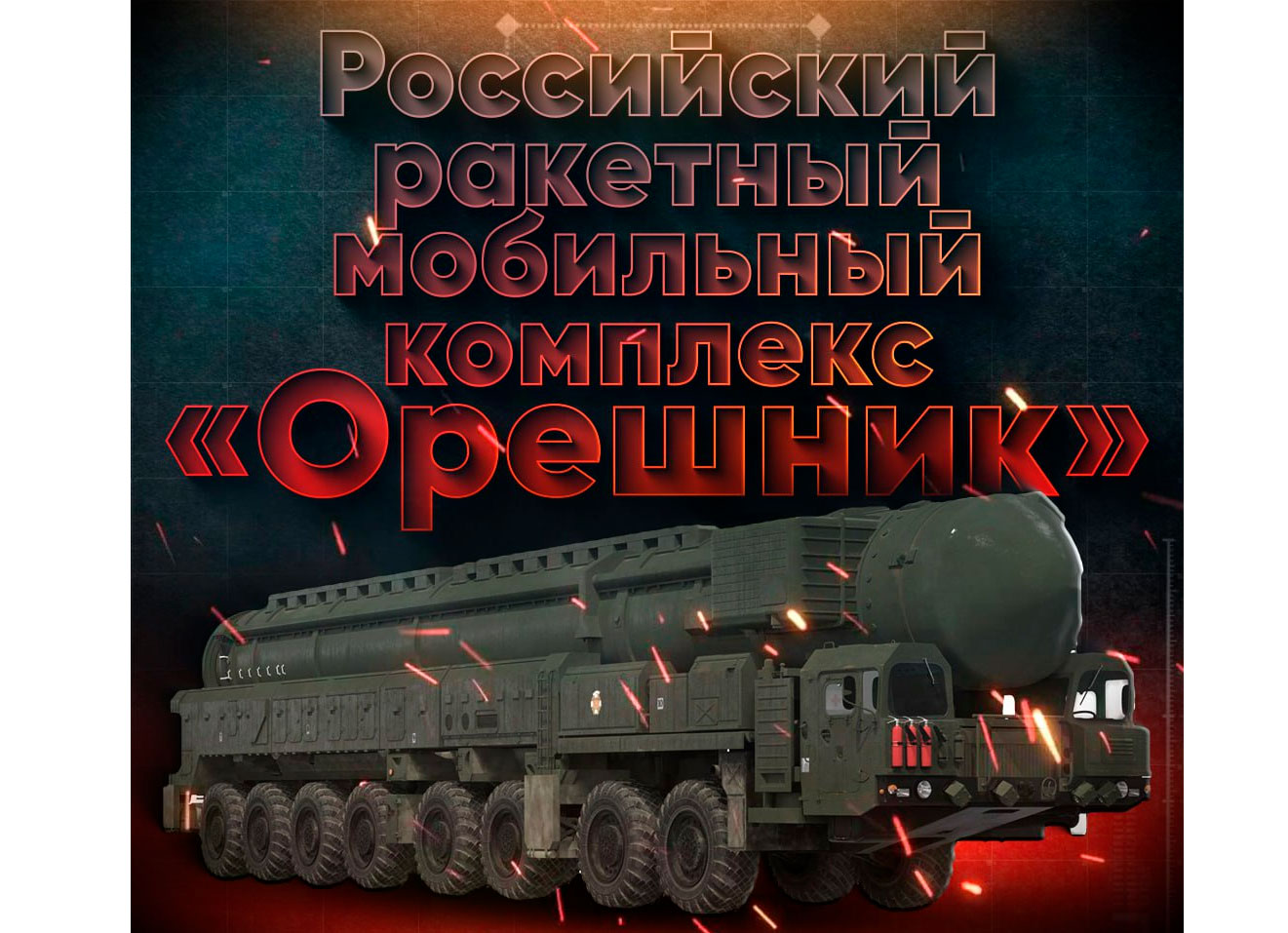
Evgenia Albats: The Oreshnik missile. How serious is this new threat? As far as I know, it's also a Soviet development?
Ilya Abishev: This is a medium-range missile designed to carry nuclear weapons. Its accuracy, as we saw from previous strikes, especially the last strike on Bila Tserkva, raises very, very big skepticism about its effectiveness. On the one hand, it is clear that a nuclear missile always hits the epicenter.
But when a nuclear missile is used as a weapon of intimidation, that is, a medium-range missile without a nuclear warhead with a conventional warhead is used as a weapon of intimidation or a means of terror, it does not look very convincing, as we saw against the backdrop of destroyed garages in Bila Tserkva.
Evgenia Albats: About strikes on homes, on civilian objects: we saw footage from Kyiv, Kharkiv, and other cities of Ukraine, where there are casualties, including children. This makes a terrible impression and a huge sense of guilt for allowing this. But please tell me, is Putin deliberately targeting civilians in Ukraine, or is it what you say — that Soviet, Russian chips cannot ensure accuracy, so it happened as it happened? Or is it, as I read, often the result of when a missile is shot down, it falls and sometimes hits a house. This was the case in Uman at one time when a terrible strike destroyed, killed an entire entrance. What is it after all? Is it cannibalism on Putin's part or just the inevitability of ballistic warfare?
Ilya Abishev: Indeed, it happens that a shot-down missile hits a residential building, a residential area. But this does not remove responsibility from those who launched this missile. The blame lies 100% on the Russian side. As for strikes on peaceful cities of Ukraine, on peaceful residents, we remember that this has been going on since 2022, since the moment of the invasion. And I have not noticed anything fundamentally changing in the fifth year of the war. Russia strikes in exactly the same way. And it strikes indiscriminately. Hits somewhere on whom God will send, and somewhere just misses.
The thing is, in Ukraine, by and large, there are no large military targets. All military production, all more or less significant military objects are either hidden or dispersed. The production of the same drones is carried out by hundreds of private companies, their production is also dispersed, assembled literally in garages, basements, some workshops. It's ridiculous to hit them with Oreshnik or Iskander. There is no point in these strikes because even in the case of hitting, say, one workshop, Ukraine will lose 5-10 drones. This is easily made up and does not pose a threat in military terms. As for strikes on peaceful residents, on settlements, this is, alas, a tactic, or maybe a strategy of Russia, which it has adhered to since the beginning of the war.
There Is No Limit to Perfection
Evgenia Albats: You said that Ukrainian drones are more advanced than Russian ones. A few months ago, the Western press wrote quite a lot about Russian drones using optical cables that do not allow them to be intercepted by radars or any special electronic warfare means. What have the Ukrainians managed to do that they are now, as you said, producing more advanced drones?
Ilya Abishev: Russia indeed invested well in electronic warfare at one time, this is still a Soviet tradition. At some stage of the development of military thought, it was believed that the future lay with electronic warfare means, the ability to suppress all enemy communication means looked very promising. Now everything has changed quite a lot because there are many ways to counter electronic warfare complexes. As for the improvement of drones, one of the options is the use of inertial guidance systems, the use of artificial intelligence that controls the drone based on its own sensors.
In addition, the same satellite communication, albeit not direct, but even flight correction via satellites minimizes the external signal feed. If there is no external signal, then no electronic warfare can suppress anything. Just like in the case of fiber optics: there is nothing to suppress when there is no exchange of information between the drone and the operator. But even those drones that use a signal, these are primarily FPV drones, which are controlled from the first person — they use not just encrypted communication, but also well-protected. The signal is not simple, and usually with changing frequencies. Electronic warfare systems that are tuned to work in a certain range often simply cannot suppress all these signals when the frequency changes. So, in general, everything changes.
Evgenia Albats: How much of the success of Ukrainian drone production is due to companies like Palantir and other Western companies, or is it exclusively Ukrainian developments?
Ilya Abishev: It's different. Firstly, there are a lot of Ukrainian developments.
Ukraine has excellent IT specialists, and we see this. Ukraine has many good and promising contracts with European and American drone manufacturers. The same Hornet drone, which the Russians call the Martian, is a tactical drone. Now it is simply causing a stir on the fronts. The second Martian operates at medium range. Ukraine is creating and scaling drone production jointly with a Swiss company. They have joint developments with Germany, with other European countries. These drones are really doing something akin to a revolution in modern warfare.
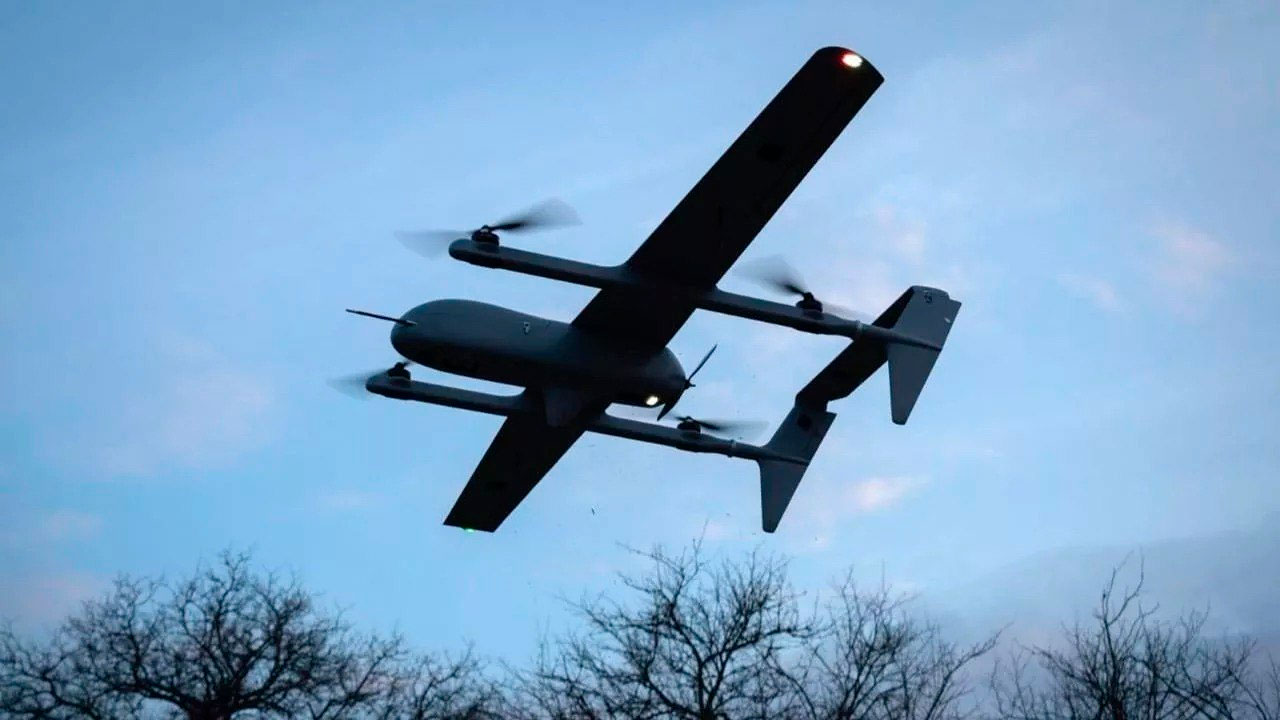
Photo: Efrem Lukatsky/AP Photo/picture alliance
As for Palantir systems, this is an American analytical platform that allows integrating disparate intelligence data obtained from satellites, obtained through aerial photography, obtained from drones, from ground reconnaissance, from agents, from open sources, from the media, from social networks. It combines, integrates this data, and provides the Ukrainian command with a picture of the battlefield in real-time. Moreover, it works at all levels: both at the tactical level, when it comes to the battlefield on the line of contact, and in operational rear areas, where mainly medium-range missiles and drones operate. Well, and in strategic directions, that is, it gives the opportunity to strike deep into Russian territory, knowing which targets are most vulnerable at the moment, where air defense systems are located, where radars are located, knowing the results of previous attacks, having the opportunity to analyze these results and do work on mistakes. That is, the Palantir system is another significant argument for Ukraine in its confrontation with Russia.
Resources for Terror
Evgenia Albats: Alexander Golts, once a very famous military analyst in Russia, in an interview with me a year or two ago, talked about how Russia, in this war with Ukraine, largely lived on the reserves of old Soviet weapons, especially when it was a ground war. Old Russian tanks from the fifties were used, and much more. He talked about how the Soviet reserves were colossal and that these reserves are running out, and Russia will have problems with the production of weapons. Nevertheless, we see that the ground war is practically happening by creating kill zones, primarily using drones, and there is no progress. The Russian side is constantly shouting that it has captured another small village, and then it turns out that it was not captured, and so on. In your opinion, how much does Russia have the resources to continue destroying Ukraine? And how much does Ukraine have the resources to hold on and resist Putin and his military-industrial complex?
Ilya Abishev: Resources for terror, means of intimidation, Russia undoubtedly has. Unfortunately, nothing can be done about this in the near future. Russia has ballistics, it produces it and will continue to produce it, and most likely, strikes on Ukraine will continue, accordingly, there will be casualties among the civilian population — mainly among the civilian population, since, as I said, there are no large military targets in Ukraine, they are all dispersed. The possibility of strikes on cities remains for Russia until the war ends. It doesn't matter on what terms. It can be assumed that the Russian authorities will continue to use means of intimidation in an attempt to force Ukraine to conclude an agreement on unfavorable terms for it. While there are no other effective means of influencing Ukraine in the current situation for Russia. As we see, the tactics of actions by infantry groups, the tactics of infiltration have also already reached a dead end, they give nothing, there is no progress on the fronts. All previous methods — fire barrage, attacks by large mechanized tank columns — also seem to have exhausted themselves. What else? Only these missile strikes remain.
Evgenia Albats: How much does Ukraine have the ability to resist? How long will the resources last?
Ukraine made a sharp leap in the development of medium-range drones. The advantage is so obvious that no one hides it anymore. Russian Z-bloggers are on the verge of panic, and no one knows how to solve this problem
Ilya Abishev: Ukraine is quite capable of resisting. It has been resisting for the fifth year. Of course, every strike on Kyiv, on Dnipro, on Odessa, on other cities is a tragedy.
But this has been happening for the fifth year. And nothing fundamentally changes in this regard for Ukraine. I do not think that Ukraine can be intimidated by this. It is obvious that Ukraine will continue to resist. Moreover, it now has an open, just opened window of opportunity. We are talking about middle-strike drones, the production of which has sharply increased. There are also many long-range drones. As well as tactical short-range drones, which the Armed Forces of Ukraine saturate their combined arms units with, freeing up the forces of unmanned systems, which again have their hands untied, and they can strike at greater depths. Directly on the situation on the battlefield, this does not affect. Although, of course, strikes on Russian military factories and oil refineries play their role, they do not go unnoticed, of course. And in this case, I am talking about Ukraine's sharp leap in the development of medium-range drones, where the advantage is so obvious that no one hides it anymore. Russian Z-bloggers are on the verge of panic, and no one knows how to solve this problem.
Evgenia Albats: And where are these drones used? Do they create a kill zone on the front line?
Ilya Abishev: No, the kill zone is a zone on the front line where any enemy combat unit is destroyed. It doesn't matter, an infantryman or any equipment. This is the zone of application of tactical drones, 10-15 km, maybe somewhere up to twenty. Further, middle-strike drones operate. They have a wider range: from 20-30 kilometers to 100, 200, or even 300. That is, they attack operational rear areas, and somewhere even reach strategic rear areas. In general, they have a fairly wide range. They, by the way, are not much more expensive than tactical drones. And much cheaper than Deep Strike drones, at least 10 times. The Hornet drone costs approximately around 5 thousand dollars, while a long-range drone is estimated at 50 thousand. At the same time, they literally take out everything.
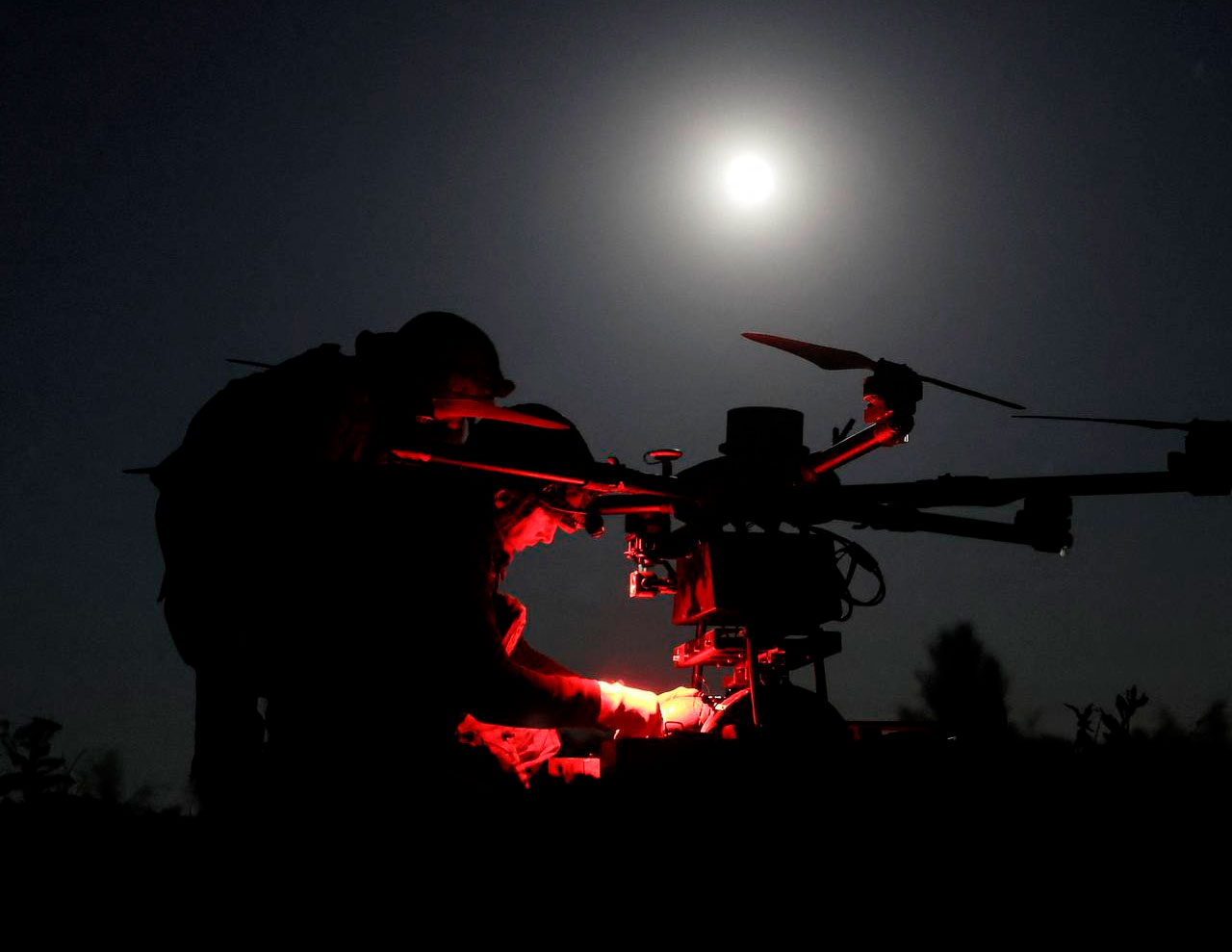
Photo: Oleg Petrasiuk / Reuters
And what is happening now on the "Novorossiya" highway, which goes from Rostov to Crimea?.. Russian eyewitnesses describe it literally as hell. Trucks are being burned, fuel trucks are being burned, equipment is being burned. Attacks are also being made on other military objects throughout this zone. It turns out that the kill zone is rapidly growing and already capturing those territories that were not so long ago considered the deep rear, and now it is becoming dangerous to move in this deep rear.
Evgenia Albats: There were reports from the Russian pro-Kremlin agency "Interfax" that fuel cards have been introduced in Sevastopol. The head of the occupied Crimea urged Crimeans to stop driving their cars, as fuel restrictions have been introduced. As I understand it, drone strikes have led to major fuel problems in Crimea.
Ilya Abishev: Such problems are not only in Crimea but also on other fronts. It is reported that the situation with fuel in the Donetsk region is similar. Well, and in the northern directions, Ukrainian drones are already striking deep into Russian territory.
Will There Be a War with NATO?
Evgenia Albats: Last question. Do you share the statements that Russia is preparing to strike Eastern Europe? We know that Poland is preparing very seriously. They raised military-industrial complex spending to 6% of GDP. And in the Baltic countries, people are stocking up on food, preparing caches in the forest, preparing to go into the forest, as it was after two Soviet occupations, in thirty-nine and then in forty-five. Does Russia have the resources to expand the war to Eastern Europe, at least?
Ilya Abishev: I haven't heard about caches in the forest. But I admit that someone is indeed preparing. But we must not forget that Lithuania, like other Baltic countries — Latvia, Estonia — are still NATO members. And the Alliance's obligations to protect its members have not been canceled.
Evgenia Albats: Recently, a drone or even a missile flew into Romania, and it is also a NATO member, but no one remembered the fifth article.
Ilya Abishev: But still, a drone hit is not yet a reason to invoke the fifth article. Agree.
Evgenia Albats: There have been violations of sovereignty in Poland and the Baltic countries more than once or twice. Sabotage on railways, including in Germany, problems at airports, and so on.
Ilya Abishev: Believe me, all such incidents are taken seriously, and each such case becomes the subject of serious investigation. We remember all these drones of unclear origin that flew into the territory of the Baltic countries. Everything was also quite serious with them. Still, you are posing the question much more sharply. We are talking about a supposed Russian invasion, which is not just an escalation, but in fact, a declaration of war on such a serious alliance as NATO. Many talk about this, many discuss it, and many agree that if Putin decides to undertake something like this, it is not with the aim and not in the hope of overcoming the Alliance, which surpasses him in many parameters, primarily in combat aircraft, combat ships, human and military-industrial potential. This may be done to shake, test the Alliance's strength. There may be a calculation that others, powerful members will not stand up for the weak. And that this, they say, will lead to the actual collapse of NATO, to strife, ultimately to concessions from Europe towards Russia.
Well, yes, such a scenario is considered, discussed, but at the same time, a serious reservation is made that for Putin, this is essentially a step of last hope. Or a foul of last hope, if you like, which the Russian authorities may decide on if they find themselves cornered, facing inevitable defeat by Ukraine. And in a situation where it becomes completely obvious that it is impossible to solve political tasks by military methods concerning Ukraine, at this moment Russia supposedly may go for escalation, for aggravation. But experts make a reservation that this is a very, very risky step. Because in the event that the calculation on Europe's disunity, on the cowardice of NATO member state leaders does not justify itself, then Russia faces a crushing and not just painful defeat, but a defeat that will lead to a change of everything: a change of regime, a change of power, a redistribution of property, and so on...
Video Version
* Evgenia Albats, Ilya Abishev, Kirill Rogov are declared "foreign agents" in the Russian Federation.