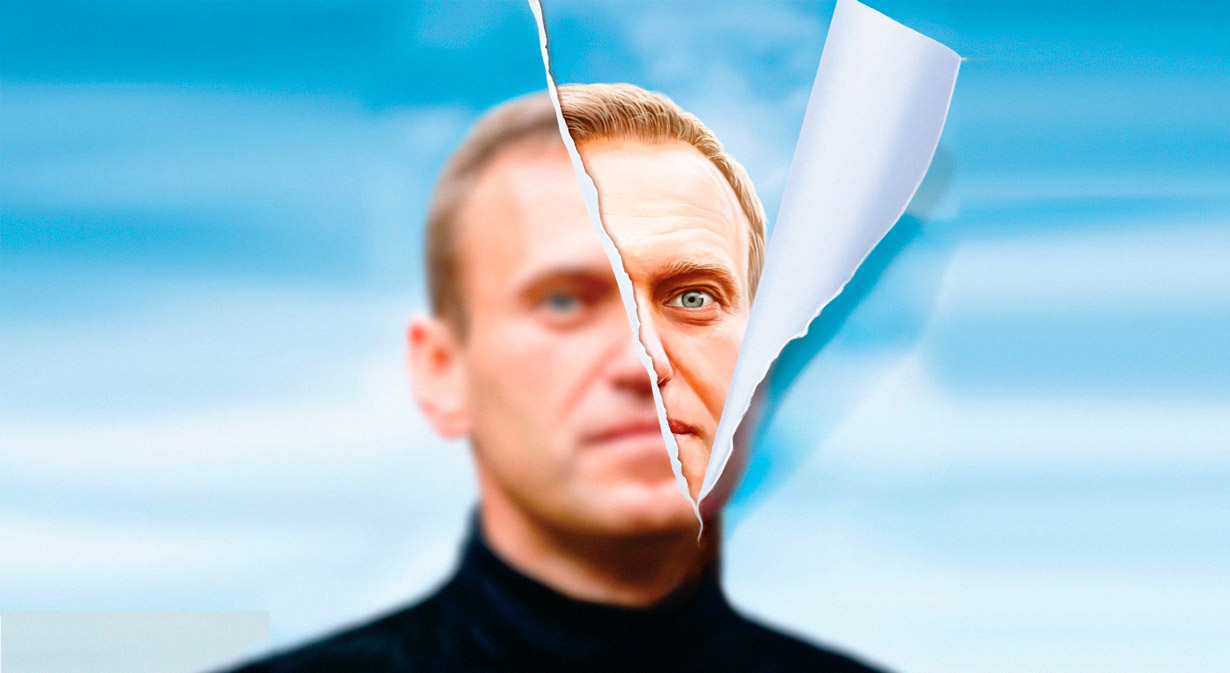
Image: Wall Street Journal
Authors: Joe Parkinson and Drew Hinshaw
Roger Carstens (Roger Carstens— retired US Army Special Forces lieutenant colonel, served as the US President's special envoy for hostage affairs from 2020–2025. — NT) was racing through Tel Aviv to meet Roman Abramovich, knowing he would have to ask the White House not for permission, but for forgiveness.
Previously, the Biden administration had twice rejected requests from the President's special envoy for hostage affairs to meet with this enigmatic Russian oligarch, one of the few people Carstens considered a “master of back channels” and possessing the influence to untangle the most complicated diplomatic knots.
But in November 2023, when Carstens traveled to Israel to assist American families whose loved ones were taken hostage by Hamas, he received a message on his phone that Abramovich was also in town. This seemed like a unique opportunity to advance a prisoner swap that could free American citizens imprisoned in Russia and at the same time save Vladimir Putin's arch-enemy, Russian dissident Alexei Navalny.
The hostage envoy had participated in six wars but joked that the toughest battle of his life was wearing a suit and tie in Washington, “trying to get something done”. He had a plan to free Navalny and the Americans, but the White House didn't think the time was right to implement it. He often joked that he felt like Gulliver tied down by Lilliputians.
His presumed adversaries: senior officials from the White House and the State Department, who, although more cautiously, were working towards the same goal and weighing the geopolitical and moral risks of a prisoner exchange with Putin. Carstens complained to colleagues that he had to report to decision-makers who, in his opinion, had never been to war, never smelled gunpowder, sat in offices, and explained to him why his proposals wouldn't work.
This time the former “Green Beret” wasn't going to give anyone time to refuse. On November 30, he sent an email to Washington, stating he was ready to meet with Abramovich. Minutes later, he entered the hotel chosen for the meeting. Sitting across from him, the billionaire said he believed the prisoner negotiations between the US CIA and Russia's FSB had reached an impasse.
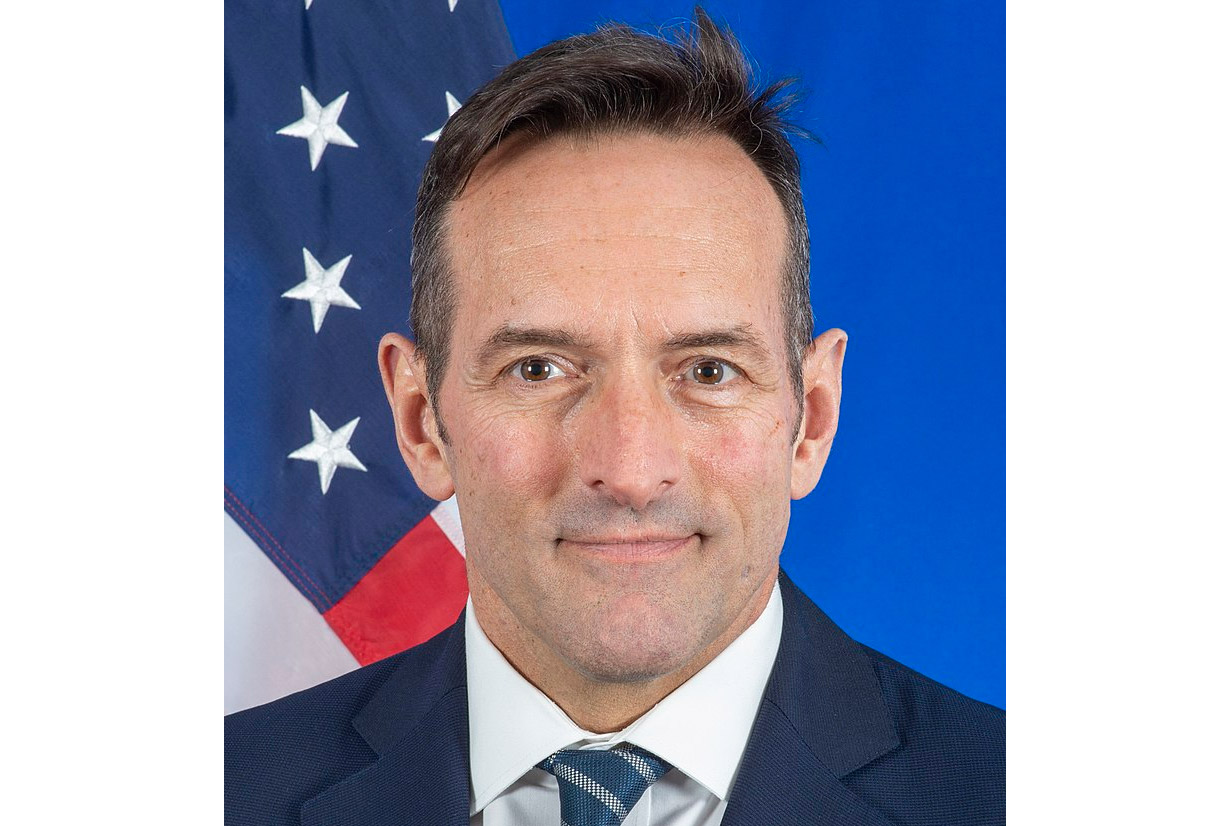
Roger Carstens. Photo: US State Department
“I’m not sure the FSB is passing on our messages,” said Carstens. He reiterated the White House's latest offer: a prisoner exchange that did not include either Navalny, whom Germany wanted, or the person Russia needed — FSB officer Vadim Krasikov, serving a life sentence for the murder of a Putin opponent in central Berlin. Carstens believed this offer would never be accepted.
“But let me suggest another idea,” he ventured. “Not officially, just to get your opinion.”
Carstens proposed what he called “problem expansion”. Germany would release Krasikov if Russia freed Navalny. Additionally, the US and European allies could return various secret agents in their custody, and Russia would release two Americans detained on espionage charges, which the US government categorically denies: former Marine Paul Whelan and Wall Street Journal reporter Evan Gershkovich.
Abramovich said it sounded intriguing but added he could hardly imagine Putin freeing Navalny. Thirty minutes later, Carstens left the hotel, turned on his phone, and saw numerous messages ordering him not to hold the meeting. A few days later, Carstens received a response from Abramovich, who seemed as surprised as everyone else.
“Putin,” he said, “is ready to release Navalny.”
That same week, guards shoved the 47-year-old dissident into a prison train and locked the door without telling him where he was being taken. Hours turned into days, and Navalny read the books he was allowed to take with him from IK-6 prison. He couldn't see the cities passing by, but the train wound through the Ural Mountains, then north to the Arctic Circle, to the “dead railway” built by political prisoners under Stalin.
It took two weeks to reach the ice-covered destination known as the “Polar Wolf” colony.
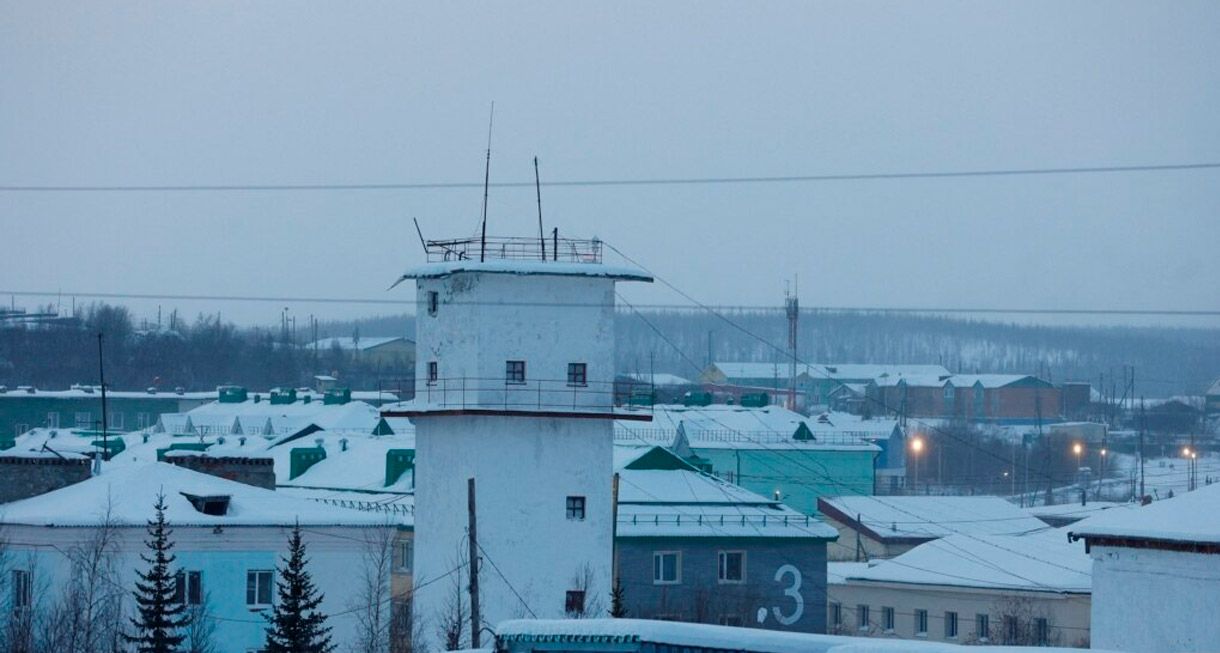
Colony No. 3 in the village of Harp, Yamalo-Nenets Autonomous Okrug, December 2024. Photo: Reuters
“I’m your new Santa Claus,” he wrote in his first letter home to his wife Yulia. “Unfortunately, there are no reindeer, but there are huge, fluffy, and very beautiful German shepherds.”
Several weeks after his arrival, German Chancellor Olaf Scholz joined a private video conference with Joseph Biden, officially to discuss the war in Ukraine. Unofficially, the agenda included the prisoner exchange. A few hours earlier, WSJ editor Emma Tucker had met with Scholz's closest aides in Switzerland. Biden had just met with Paul Whelan's sister Elizabeth, a portraitist who easily connected with the president. Jake Sullivan, Biden's national security advisor, was in constant contact with his counterpart in Berlin. The topic was so delicate that Scholz was nervous and avoided mentioning details during the conversation.
“I’ll fly to you,” said Scholz. “I’ll be glad.”
The chancellor embarked on the trip without informing his cabinet members, at the last minute, resulting in the only plane they could book being a mid-range Airbus A321, which had to refuel in Iceland. At the meeting on February 9 (2024), there were no aides or stenographers, only Biden and Scholz. A few hours earlier, Tucker Carlson (formerly a Fox News commentator, now a blogger with millions of followers. — NT) had posted an interview with Putin in the Kremlin, in which the former Fox host pushed the Russian president to agree to release Gershkovich. Putin looked embarrassed. It seemed the puzzle pieces were coming together.
In the Oval Office, Scholz agreed to release the killer Krasikov as the central element of a broader deal. The chancellor would save Navalny from his Arctic prison and, as he hoped, boost the chances of the aging US president in the upcoming tough election campaign.
“For you, I’ll do it,” said Scholz to Biden.
Black Motorcades
On February 15, 2024, the narrow streets of Munich were filled with black motorcades bringing Western leaders to the annual security conference in the Bavarian capital. Carstens was not registered as a speaker or participant in the discussion, but quietly flew from Washington on a night flight to Germany. By this point, the administration had accelerated the process of exchanging Navalny, but preferred to keep Carstens away from any negotiations about Russian prisoners.
Christo Grozev** was already there, eagerly waiting in a café near the conference venue. The Bulgarian investigative journalist and spy hunter felt the deal was almost done, but he and Carstens wanted to be as close as possible to Western officials to ensure nothing would prevent the deal from being concluded. Odessa Rae, producer of the film “Navalny,” was texting from Dubai on her way to Ukraine after meeting with their Russian contact Stanislav Petlinsky (formerly an Administration of the President and GRU employee, now a businessman, Roman Abramovich's contact who participated in the first stage of prisoner exchange negotiations but was not allowed into the US. — NT).
Vice President Kamala Harris was flying on Air Force Two, officially to deliver a keynote speech, but in a quieter capacity representing Biden at a meeting with Slovenian leaders to confirm that the deal could include two Russian spies under arrest: a married couple posing as Argentine citizens. German Foreign Minister Annalena Baerbock was also at the conference: she was torn by doubts about the morality of the exchange (of killer Krasikov for Navalny. — NT). But Secretary of State Antony Blinken was ready to meet with her and allay her concerns. Navalny's wife Yulia was also in Munich <...>.
As the evening was drawing to a close, Maria Pevchikh** (head of the FBK*** investigations department) asked, as if sensing something ominous: “What if they kill him?” But Grozev, who had spent many years studying Russian intelligence services, dispelled her fears. There is a protocol, he assured her, a method for prisoner exchanges that has been followed since the Cold War. WSJ even prepared articles ready for publication as soon as Navalny was freed.
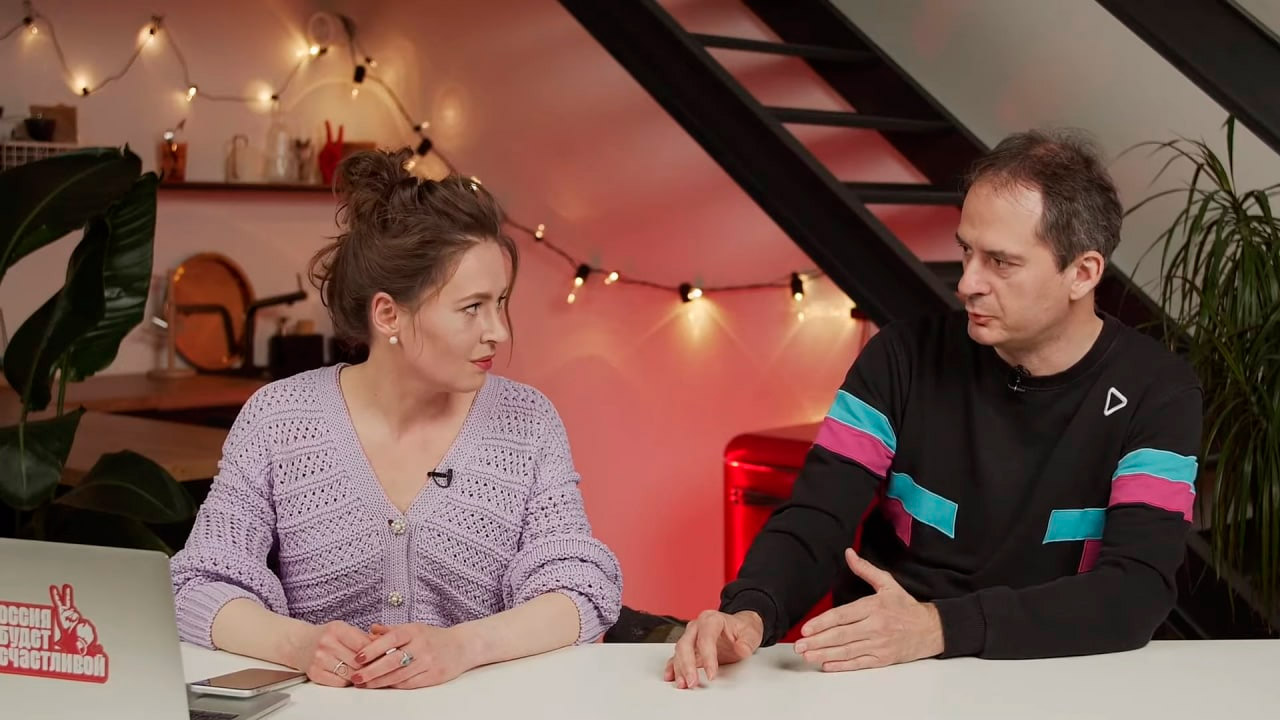
Maria Pevchikh and Christo Grozev. Photo: Navalny Live
The next day, FBI Director Christopher Wray was having lunch with the heads of British intelligence MI6 and German intelligence BND. Their discreet and thankless work was about to bear fruit in the form of freedom not only for Navalny but also for Gershkovich, whose reports Wray greatly valued. Then their phones vibrated. “Alexei Navalny died in prison,” announced the Kremlin's state news agency. “The cause of death is being established.”
The guests stood up one by one to answer calls. Wray hurried upstairs to consult with Blinken. The head of American diplomacy immediately responded: “Connect me with Yulia.” An aide returned with Grozev's number.
Making their way through tightly controlled security cordons, European and American officials tried to find each other and discuss what to do next. The news spread through the corridors and coffee area, where a German diplomat exclaimed aloud in the presence of journalists: “Oh no! We were working on getting him out!”
Grozev led Navalny's pale widow through the hotel gates to the Secretary of State's office. They embraced, sat down, and Yulia said: “Putin must be punished for the evil he has done.” A few minutes later, she approached the podium in a stunned conference hall, where delegates stood applauding her or crying in their seats. Her eyes were full of tears and righteous anger.
“I want Putin, his entourage, Putin's friends, and his government to know that they will pay for what they have done to our country, our family, and my husband,” she said.
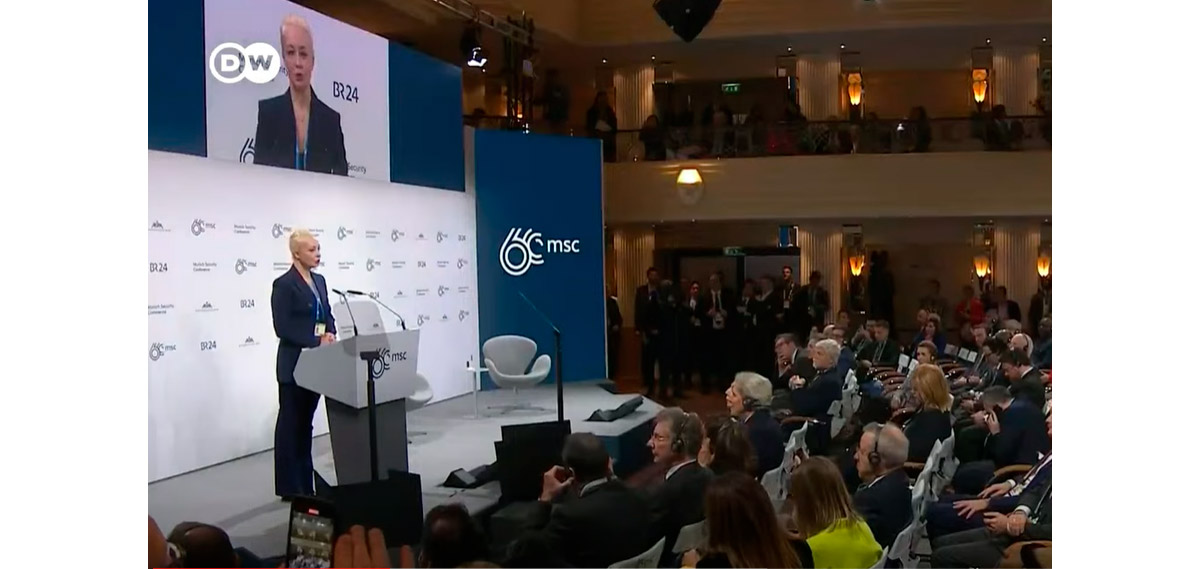
Munich Security Conference, February 16, 2024. Screenshot of Yulia Navalnaya's speech. Photo: DW
Chancellor Scholz met with Yulia. “I have one request,” said Yulia regarding Krasikov. “Don’t release this man.”
Worldwide, the secret club of people who worked on organizing the exchange was in shock. Western officials had been working for months to free not only Navalny but also a growing list of Americans captured by the Kremlin as bargaining chips. CIA agents and their European partners tracked down Russian spies working undercover in an Arctic research institute, on the front lines in Ukraine, and in a suburb of the Alpine capital. The Justice Department extradited Russian cybercriminals arrested in the Maldives and the mountains of Switzerland — these were risky legal and diplomatic maneuvers that gave the US leverage for an exchange now under threat <...>.
The US could have brought Navalny back alive if they had acted more swiftly, said Roger Carstens. “If only I had acted faster.”
The special envoy blamed himself for not putting more pressure on the White House. “We could have closed this case back in August!” <...>
In the Russian penal colony IK-17, Paul Whelan traded cigarettes to call his family: “If they’re willing to kill Navalny, they might do something to me too. Poison me. Break my leg?” His sister Elizabeth texted Carstens' staff about the consequences of a death she believed was no accident.
Reset
Jake Sullivan was sitting on the couch in his office when a delegation from The Wall Street Journal entered. Their pre-scheduled meeting was supposed to bring good news, but the news of Navalny's death, received a few hours earlier, turned it into a sort of wake.
Sullivan had a habit of looking at the floor or away when carefully considering different aspects of a problem. After a long pause, he said: “I never thought we could negotiate for Navalny.” But he also didn’t expect Putin to kill him, and he still isn't sure if he will ever know the truth about the dissident's death <...>.
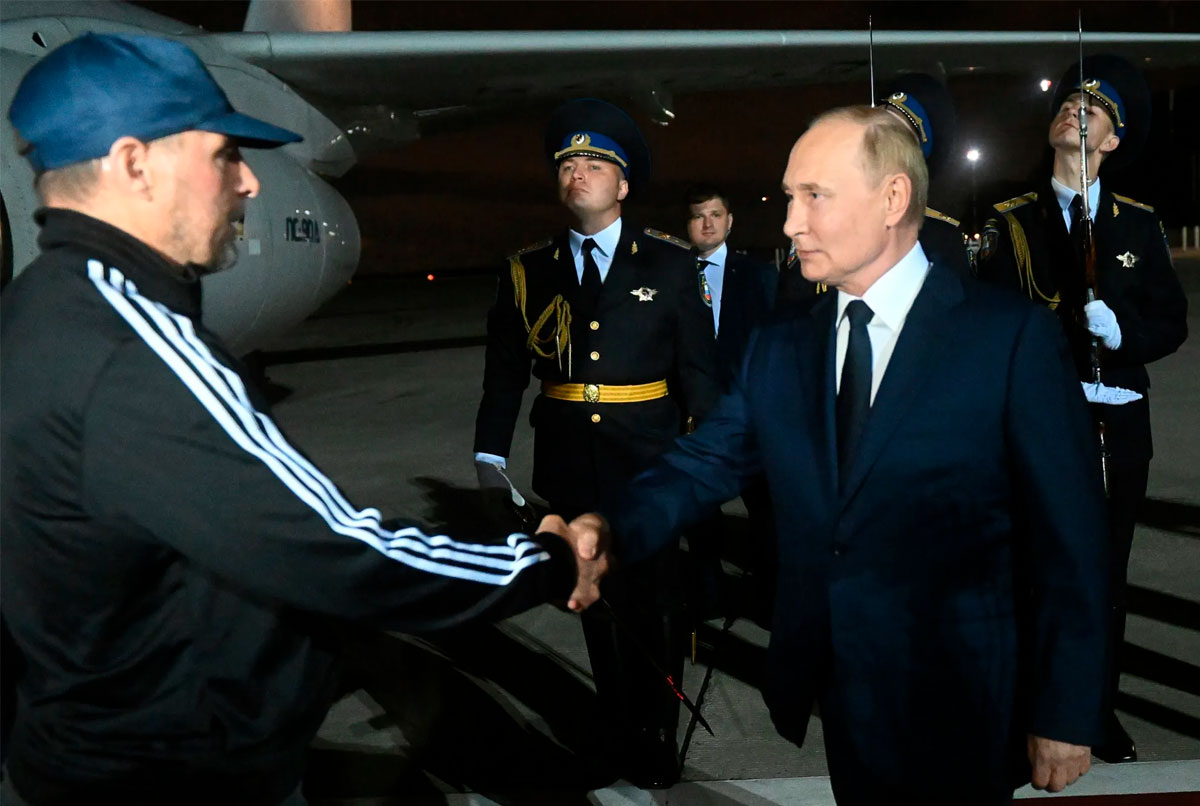
Vladimir Putin greets Vadim Krasikov upon arrival at Vnukovo airport. August 1, 2024. Photo: M. Voskresensky / Sputnik / AP
NT: Articles in WSJ are excerpts from the book Drew Hinshaw & Joe Parkinson “Swap: A Secret History of the New Cold War,” which will be published (by Harper Collins) on August 19, 2025.
* Alexei Navalny — included in the list of “terrorists and extremists.”
** Maria Pevchikh, Christo Grozev — recognized as “foreign agents” in Russia.
*** FBK — recognized as an “extremist organization” in Russia.