Throughout Russian history, not only ethnic and religious minorities, but also Russians, Christians and even Orthodox have fled and are fleeing Russia. Why has Russia, once called the motherland, become a stepmother to so many?
What are they fleeing from and why? Do they try to return and flee again?
Moscow 7600 km from Moscow
In Moscow, Pennsylvania, I first found myself in 2020 when I was writing about the U.S. presidential elections — in those elections, Joe Biden defeated Donald Trump.
But in the now abandoned, once prosperous coal mining towns of northeastern Pennsylvania, everyone was going to vote for billionaire Trump, even though the average income in these towns was then a third of the national level. So I'm driving on the highway, and suddenly I see a sign — borough Moscow, Moscow district.
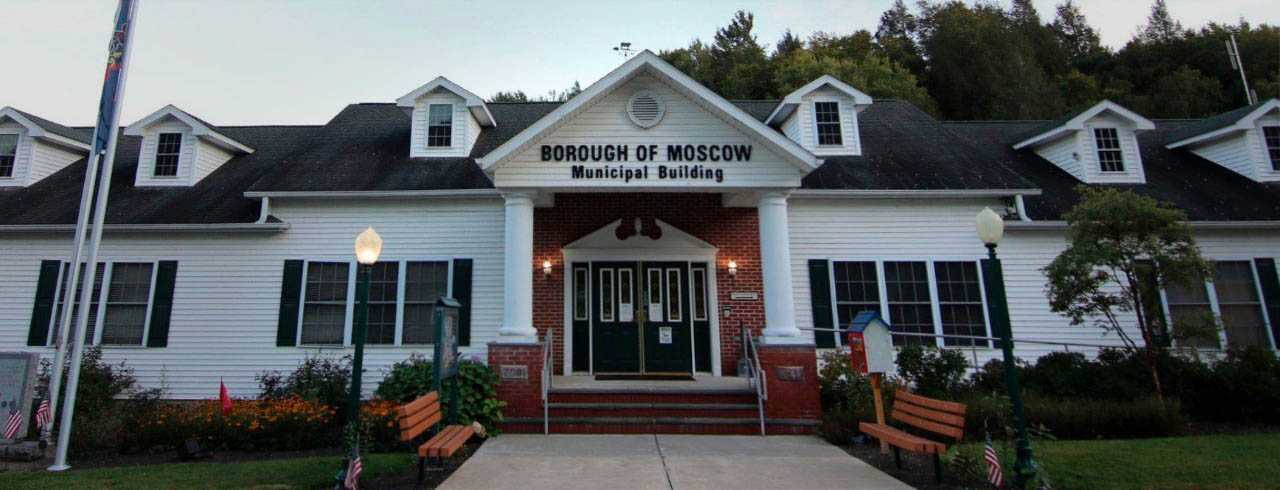
I sharply turned right, and at the entrance to the local road, it was written that this very Moscow district in Lackawanna County, Pennsylvania, was incorporated — that is, it received the right to self-governance, its own mayor, council, and so on in 1908. Before that, Pennsylvania's Moscow was a village governed by the city of Madison.
In fact, the settlement named Moscow was formed in the first half of the 19th century, and as historians of the county, which includes Moscow, write, the founder of the settlement was a Lutheran priest, apparently from Prussia — Pastor Peter Rupert. And already in the second half of the 19th century, emigrants from Eastern Europe began to move to these wooded areas of Pennsylvania: Russians, Ukrainians, Belarusians, Carpathian Rusyns. They came, engaged in logging and farming, and began to build churches. This was the custom in the USA: a prayer house was built on a hill — and around it settlements formed, public life began, a newspaper appeared so that farmers, separated by many kilometers, could know where and what was being sold, where the auction was, who was arrested, tried, who got married, and what was happening around. And around Pennsylvania's Moscow, as many as six Orthodox churches of different branches appeared — Russian, Byzantine, Antiochian, later Ukrainian. More on this later.
Where did the name Moscow come from? Historical sources offer different versions. Some believe that just as there are cities in America named after European capitals — for example, Athens in Ohio and Tennessee and three other states, Warsaw in six states, Rome — in four, Paris — in six. This January, I was in the city of Odessa, in west Texas, where the main shale oil developments are. There was some businessman from Odessa. There are as many as four Moscows, in different states.
Pennsylvania's Moscow, according to the first version, — is the result of the searches of Prussian Lutherans, inspired by the victory of the Russian army over Napoleon — for this, they named their dwelling among the larch forests Moscow.
The Muscovites of Pennsylvania, I mean, assured me that the Orthodox from Russia bought land and forests here, as they were accustomed to woodworking, and named their village Moscow. There are no historical documents confirming this version, but the Russians (by self-identification) I met here are Orthodox or converted to Orthodoxy.
In the publicly available records of the county, there are many surnames of Moscow, but not a single Slavic or even remotely Slavic-sounding name.
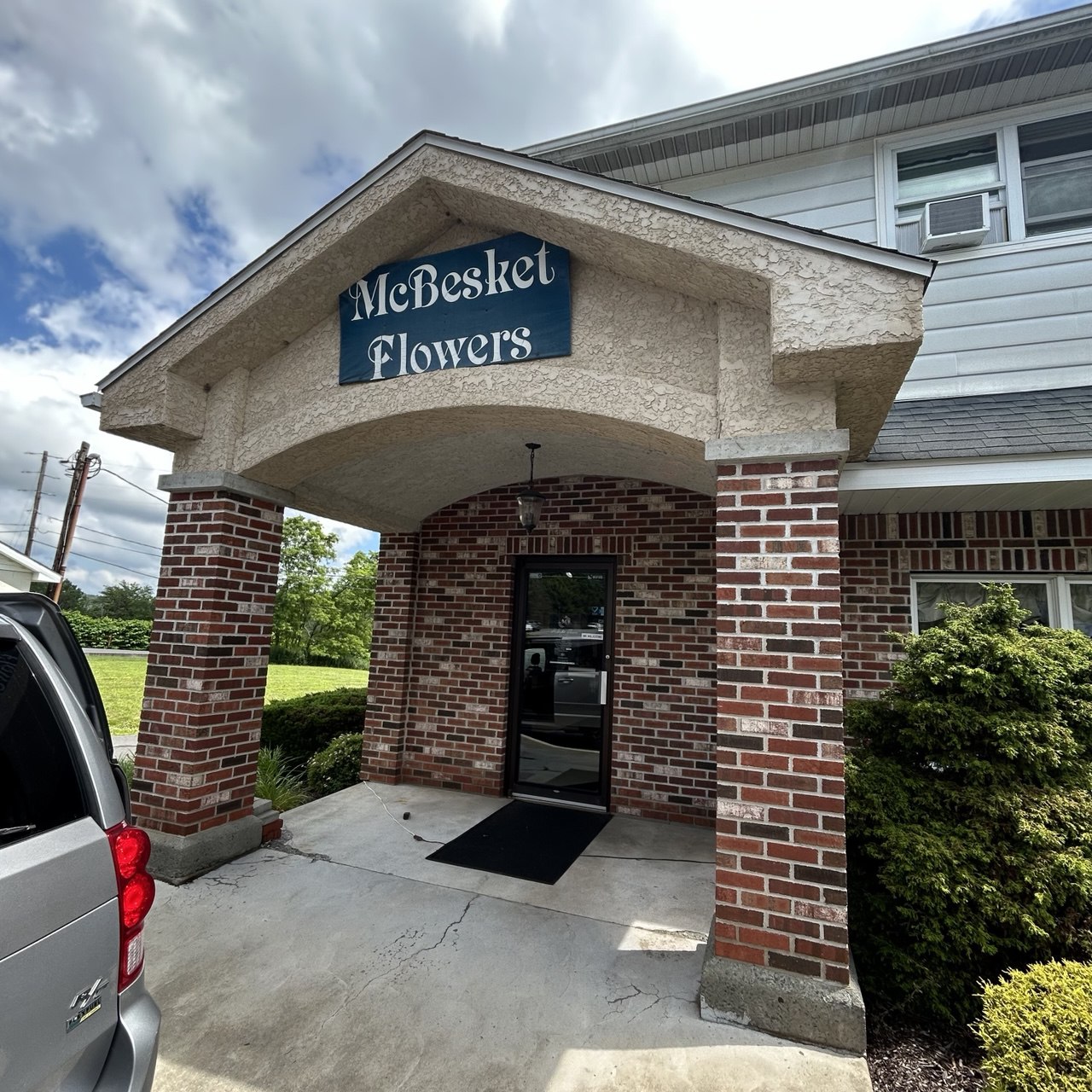
But my interlocutor Pamela Morgan, the owner of a local flower shop (photo of the shop above) told me that her grandmother spoke Russian, and at home, they made pies and kulichi for Easter, and she herself knows «hello» and «goodbye». Her husband, whom I spoke to last Monday, July 14, in the same shop — a tall, completely non-Slavic-looking man (he, by the way, converted to Orthodoxy from Catholicism), also remembered his grandmother, who constantly spoke Russian on the phone, and on Orthodox Easter, she would put a bowl of garlic and another — with butter, into which the garlic had to be dipped. I am not a big specialist in Orthodox traditions, that is, not at all, so I can't say what it means — garlic in butter — I can't. I assume it's the same as at the Seder in Jewish Passover, when an egg or herbs are dipped in salty water, as a remembrance of the tears shed by the people over their millennia-long history of persecution.
In today's Moscow, there are just over 2000 people living, then in 2020, when I first came here, many of the two thousand plus Muscovites voted for Trump: Moscow — a fairly prosperous town, unlike the poor mining towns in the northeast. And Pamela then introduced me to a bunch of conspiracy theories, from which it followed that Trump's main problem — are liberals like his son-in-law Kushner or the owner of Fox News Murdoch. So I understood, the word «liberal» — is a euphemism replacing the word «Jew». I told about Moscow in 2020, back then in a report from the elections on the still-living radio «Echo of Moscow».
In Moscow in July 2025, there are also remnants of posters everywhere «Trump — Vance», and half-circle flags in American colors flutter everywhere on houses — a symbol of patriotism. In the last presidential elections, almost 52% of Muscovites voted for Trump — and the state as a whole preferred Trump, although in the neighboring town of Scranton, Trump's opponent Joseph Biden was born, and the highway leading to Scranton is now called President Biden Highway.
Why did I go back to Pennsylvania's Moscow? Not just out of nostalgia — I was interested in how the relationship between Orthodox Russians and Orthodox Ukrainians living nearby had changed (if it had changed)? What do Russians think about the war? And a more general question that especially occupies me lately: why have ethnic Russians fled and are fleeing from Russia?
A small digression: at the beginning of Putin's second presidential term, when times were still relatively mild, but Khodorkovsky was already imprisoned, Yukos was already expropriated, and the NTV channel was dispersed even earlier, I met with Igor Malashenko in New York, the former president, general director of LLC «NTV Television Company». He was in a terrible depression — he wanted to go home, to Moscow. «Zhenya, — he told me, — you have the Torah, you have Israel, you are Jewish, but I — am Russian. Russian! I have one place on earth — Russia». Malashenko eventually returned to Russia. And then he committed suicide.
Muscovites and the war
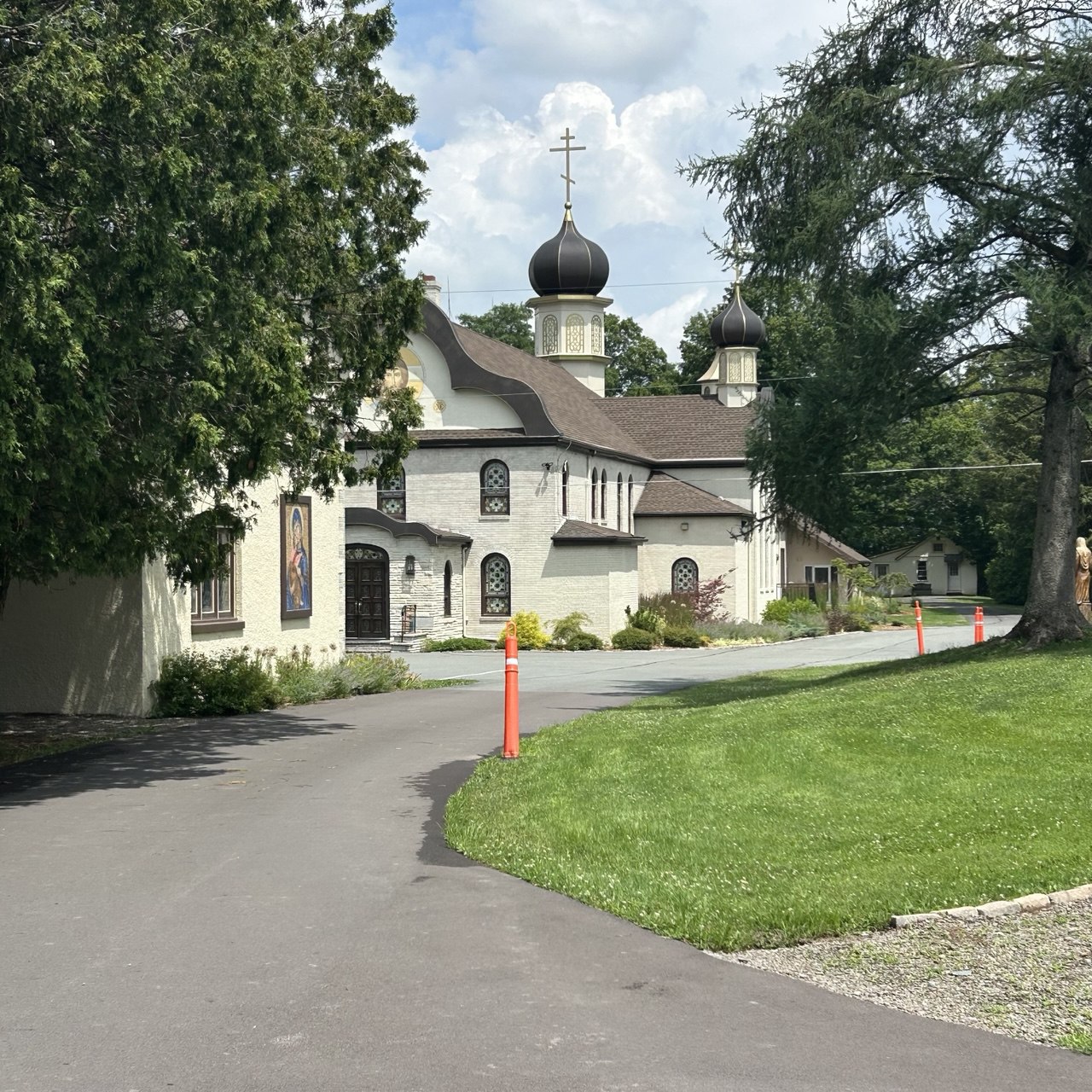
In 2020, although the war had already been going on in Donbas for six years and Crimea had already been annexed, Pennsylvania's Muscovites did not delve deeply into the details of Eastern European politics. Pamela Morgan told me that on Sundays, she and her husband go to service at the Orthodox church. By that time, I had already seen many different domes and octagons on quadrangles in Pennsylvania — the traditional architecture of Russian churches — and asked: which church do they attend — Russian or Ukrainian?
Pamela was at a loss for an answer: «I don't understand, we are all here, both Russians and Ukrainians, Orthodox», — she said.

In July 2025, her husband (photo above) — answered definitively: «We are Russian Orthodox» (we are Russian Orthodox), — he emphasized: «We go to the Russian Orthodox church in Scranton (Scranton)». As for relations with Ukrainians, he avoided answering: there are few of them here, and they do not intersect with them.
When asked what he thinks about Russia's invasion of Ukraine, he replied: «I hate war». I approached from another angle: had he seen Russian missiles and drones bombing Ukrainian cities and killing children? He repeated the same phrase about hating war and added: «I am for peace». Interlocutors at a gas station and in a shop looked at me in surprise: either they hadn't heard about the war, or they avoid talking about it.
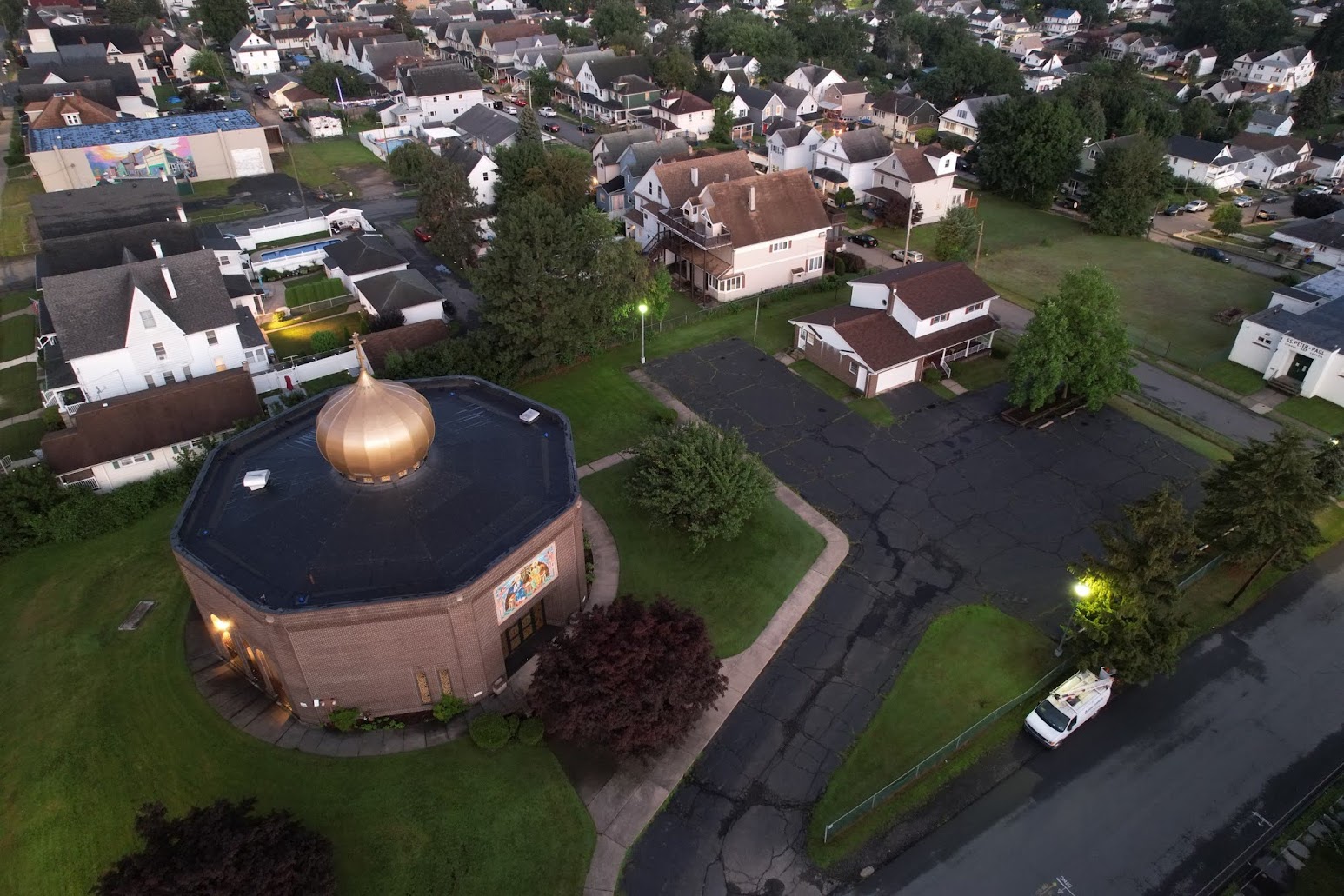
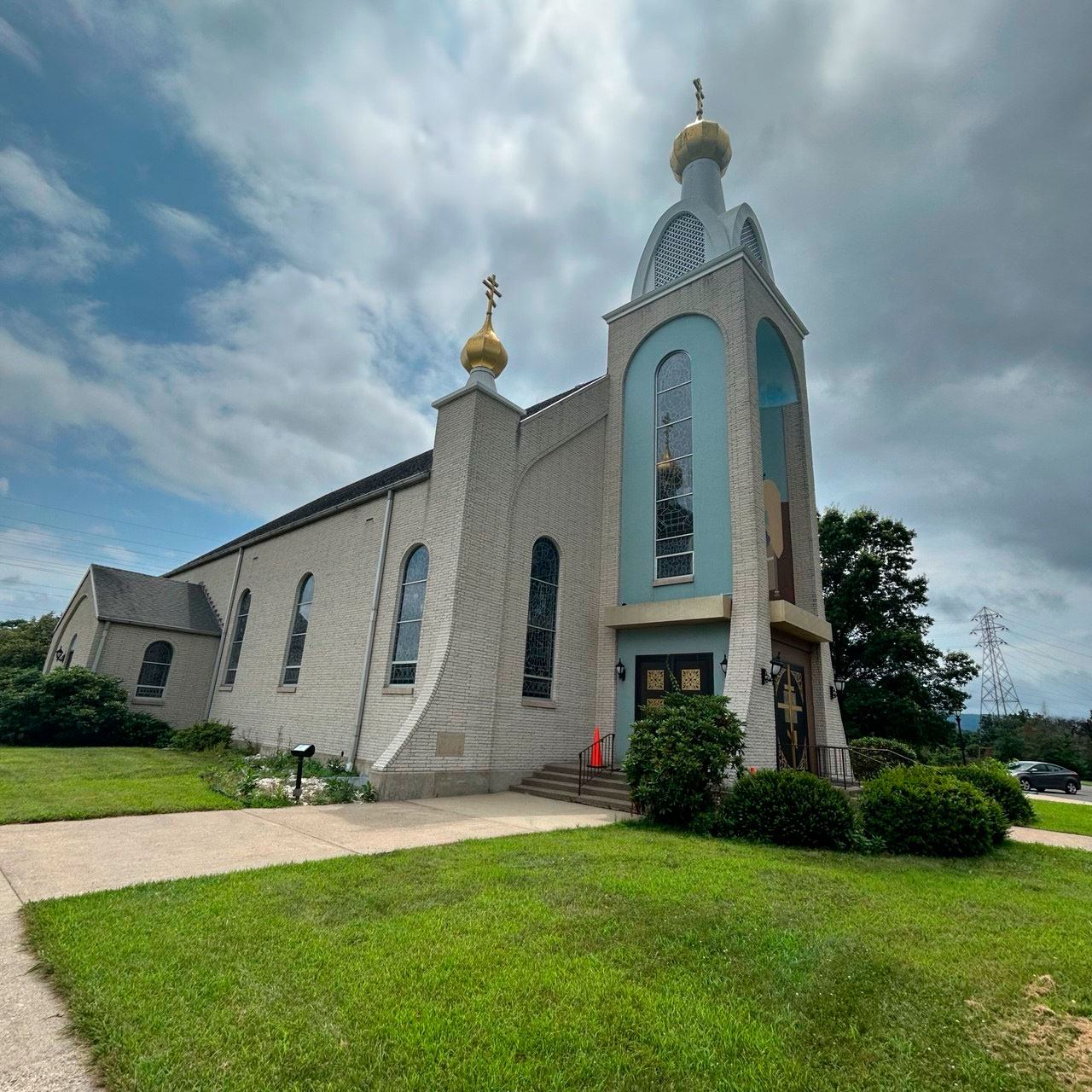
The church in Scranton (photo of the church above), where the Morgan couple goes for service, is twenty minutes by car, eleven kilometers from Moscow and is called the Church of Saints Peter and Paul, founded back in the late 19th century and officially — as stated on the church's website — it is under the Moscow Patriarchate of the Russian Orthodox Church. It did not condemn the war, did not go against the authority of Patriarch Kirill (Gundyaev). Obviously, the Morgans from Moscow voice exactly what they hear from the pulpit.
Monastery in the land of South Canaan
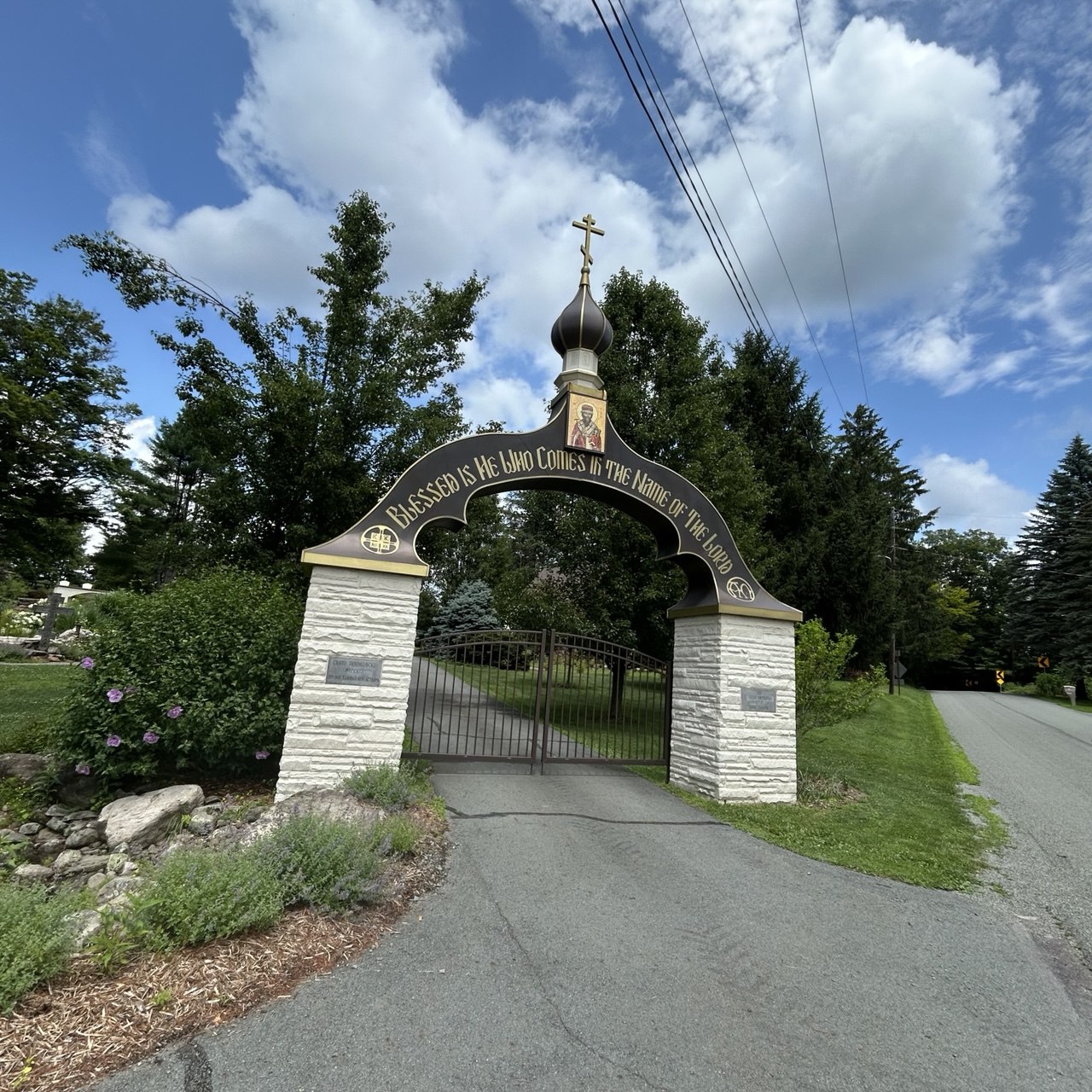
St. Tikhon's Orthodox Monastery
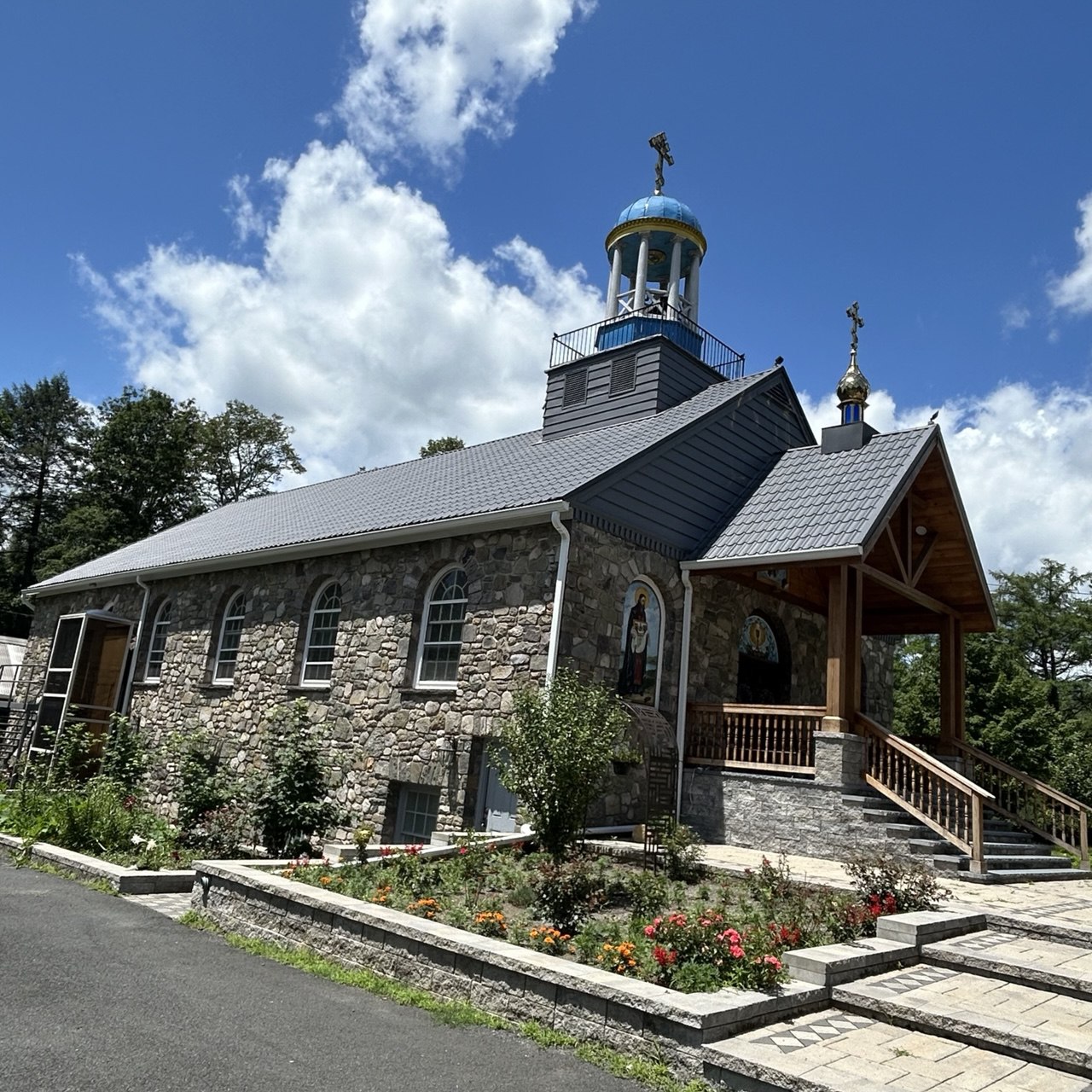
Thirty kilometers from Pennsylvania's Moscow, in a settlement with the speaking name South Canaan, is St. Tikhon's Orthodox Monastery with a famous seminary (photo below), where Orthodox priests are trained.
 1.jpg)
 2.jpg)
 3.jpg)
Here is a large bookstore of religious literature called Burning Bush — «Burning Bush» (photo below) — as the Lord presented Himself to Moses when Moshe ascended Mount Sinai to receive the Covenant. (I remind you that the Jewish Bible — the Torah — is a canonical part of any, including Orthodox, Christian Bible).
 1.jpg)
 2.jpg)
Building of the store Burning Bush
Whole buses come here for tours, and the store (photo from the store below) provides a good income for the monastery. Those who are here for the first time — are given free coffee, the beans are also produced here, in the monastery.
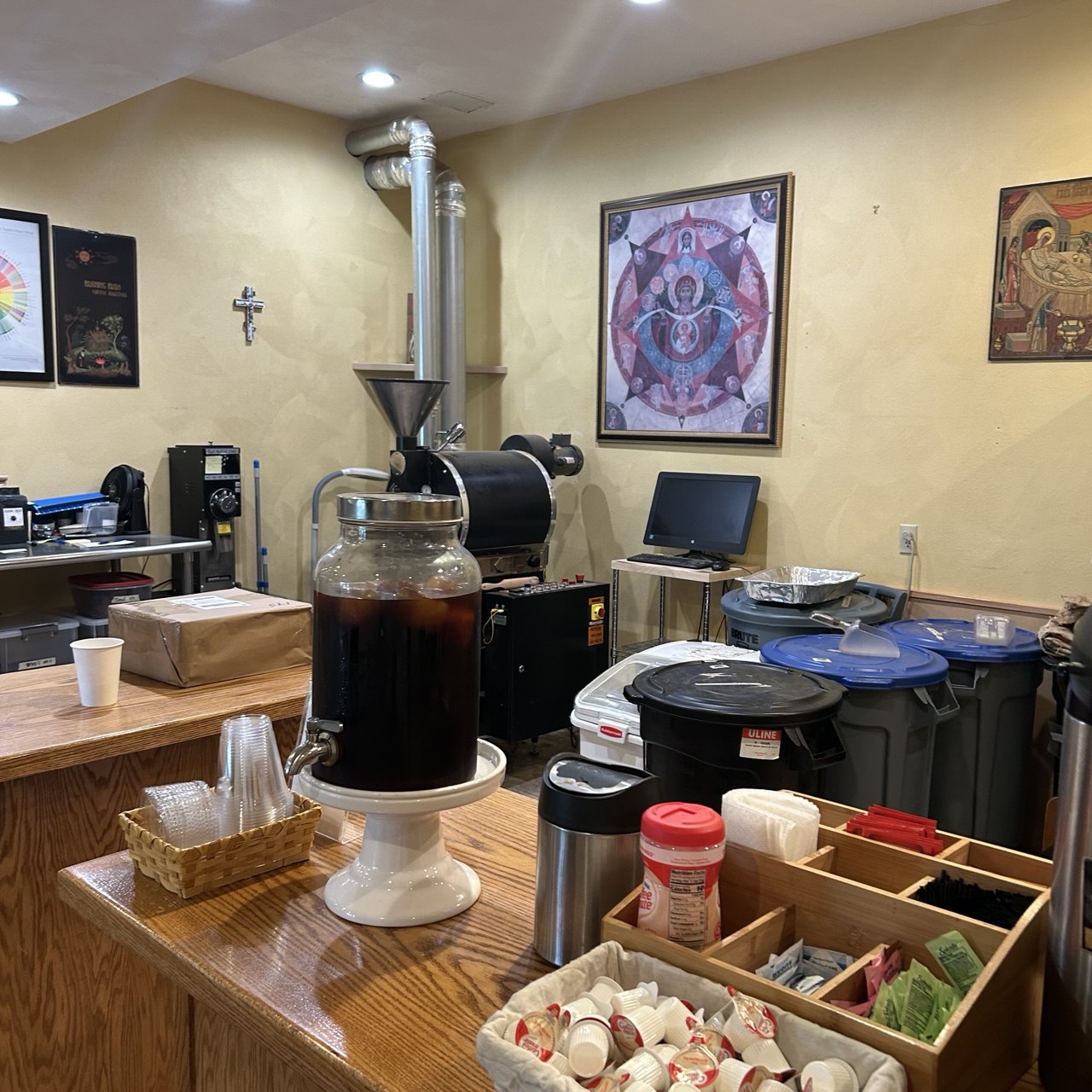
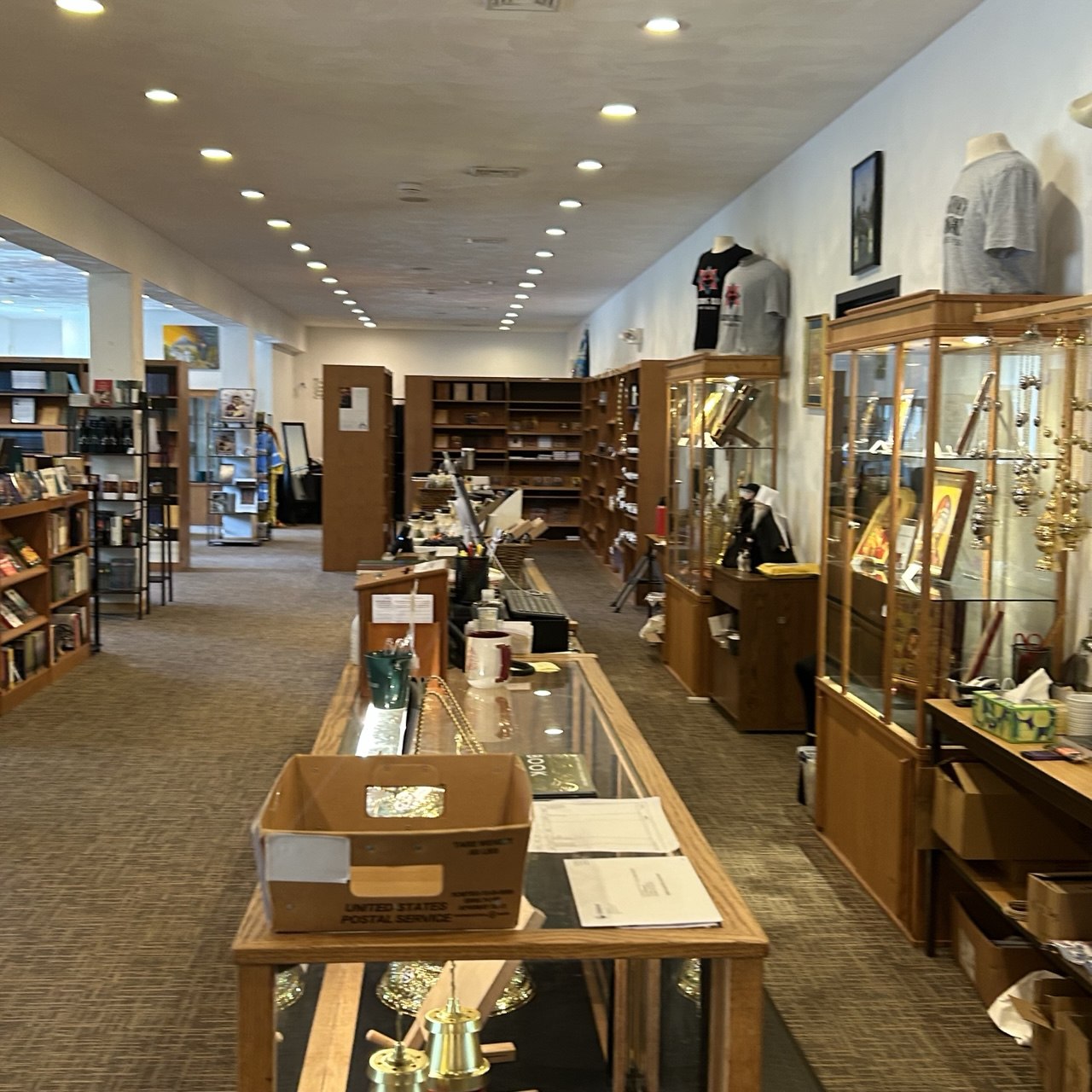
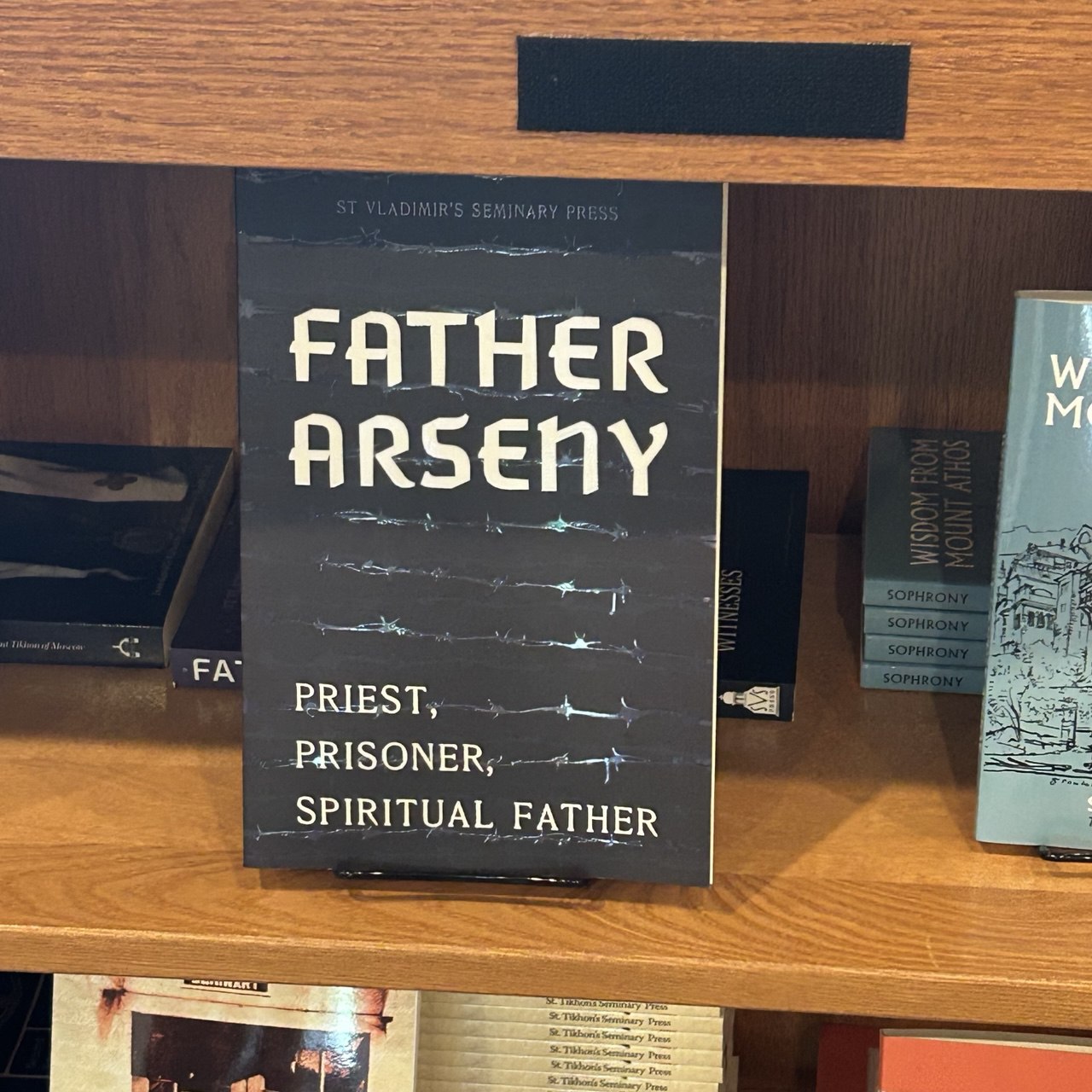
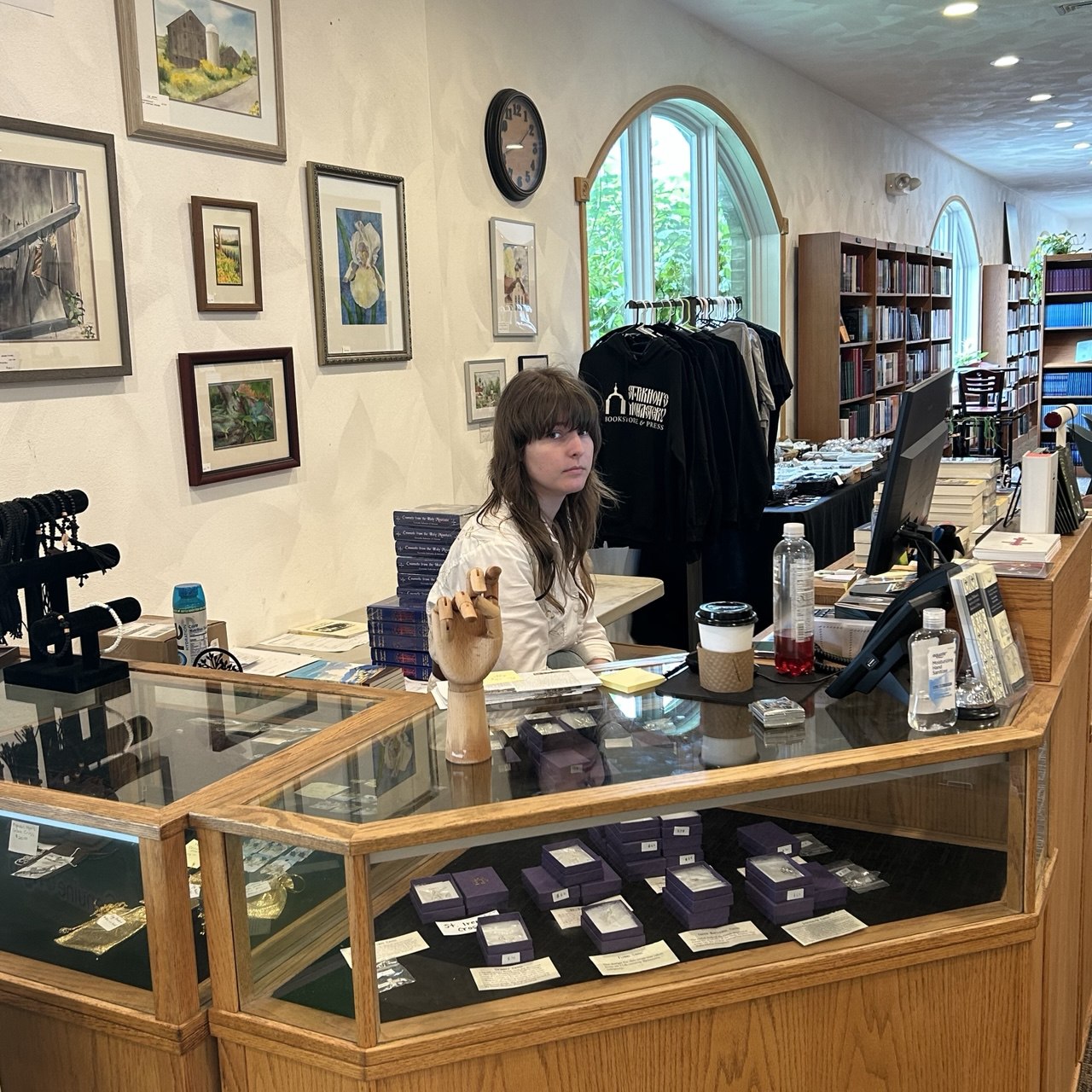
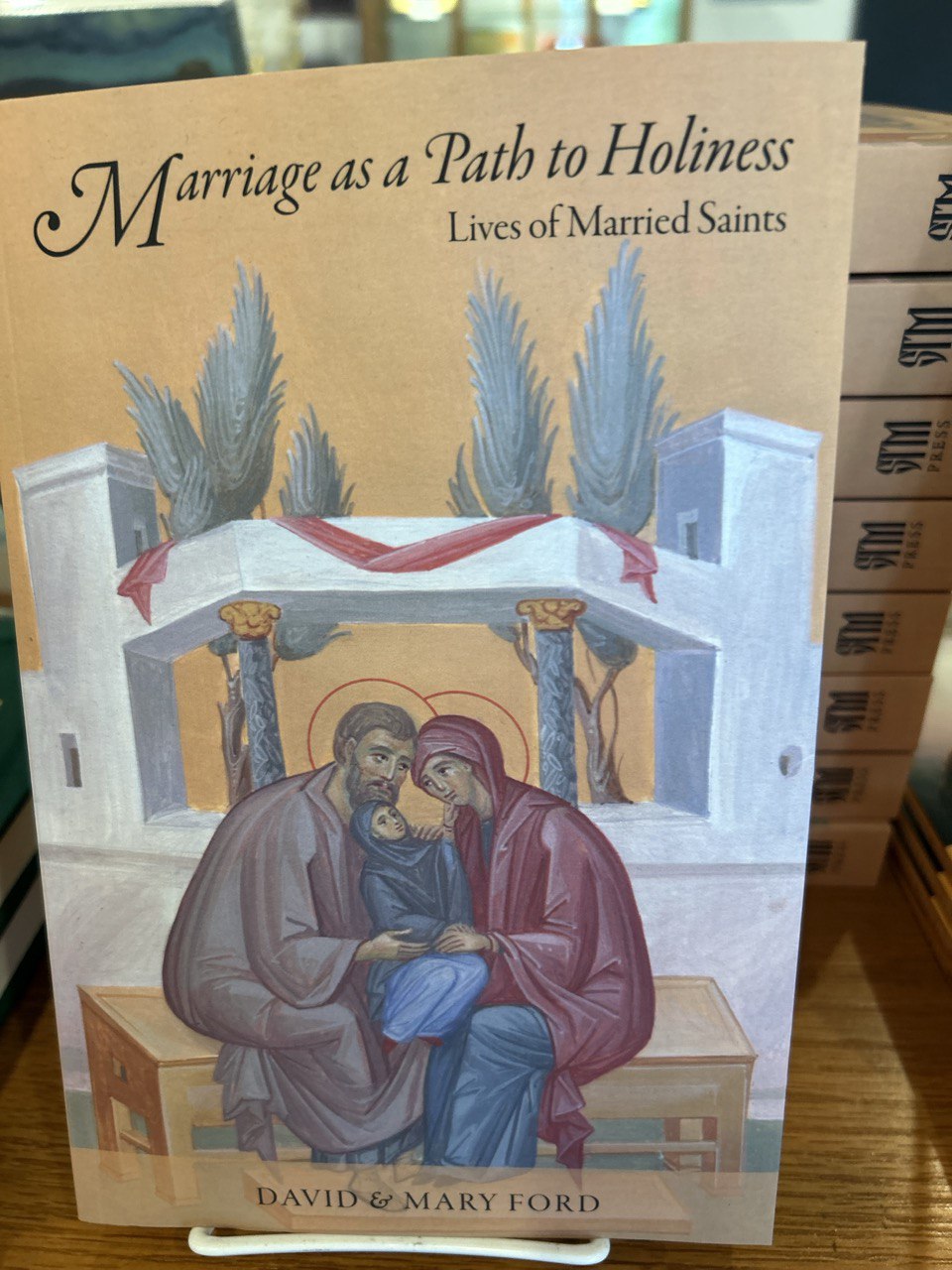
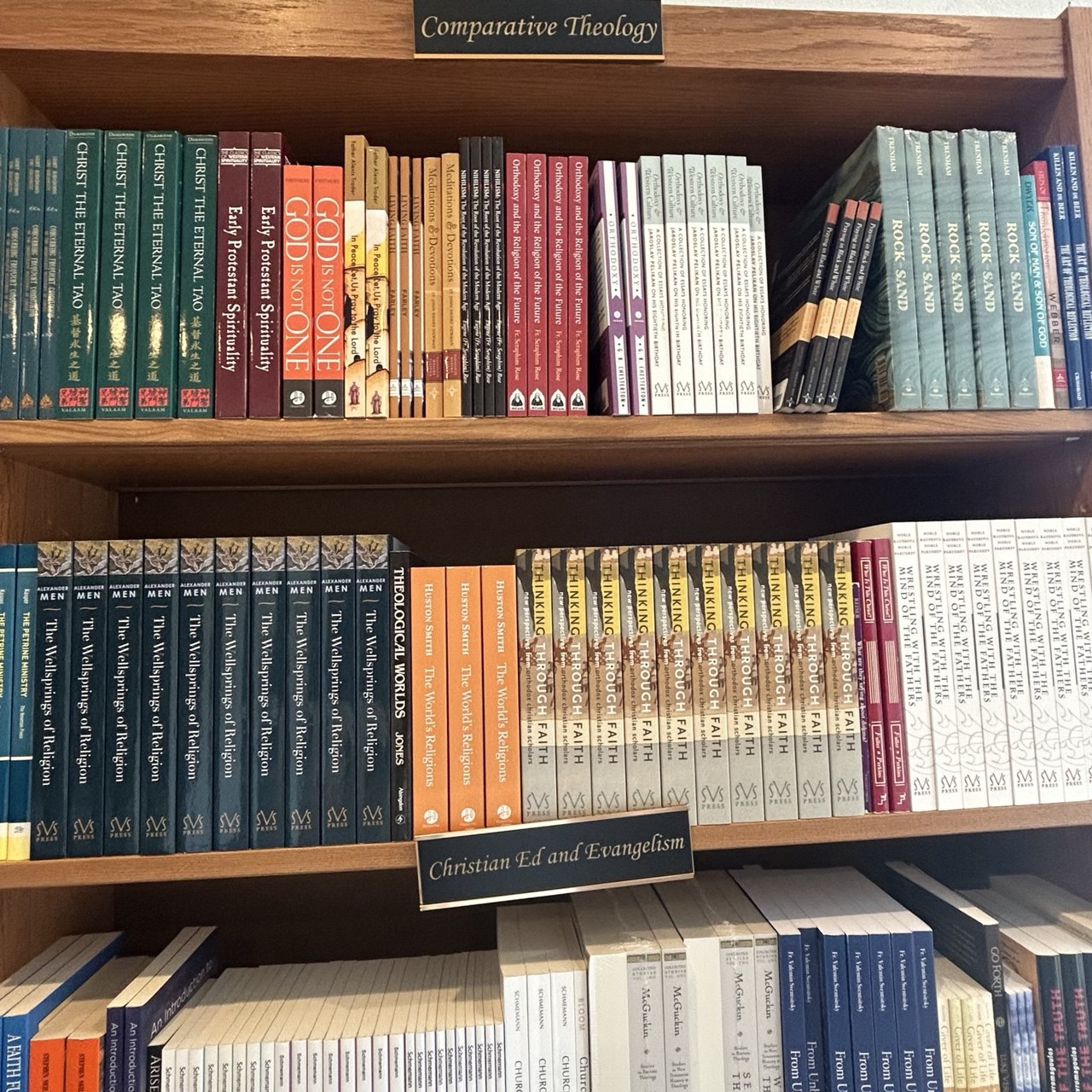
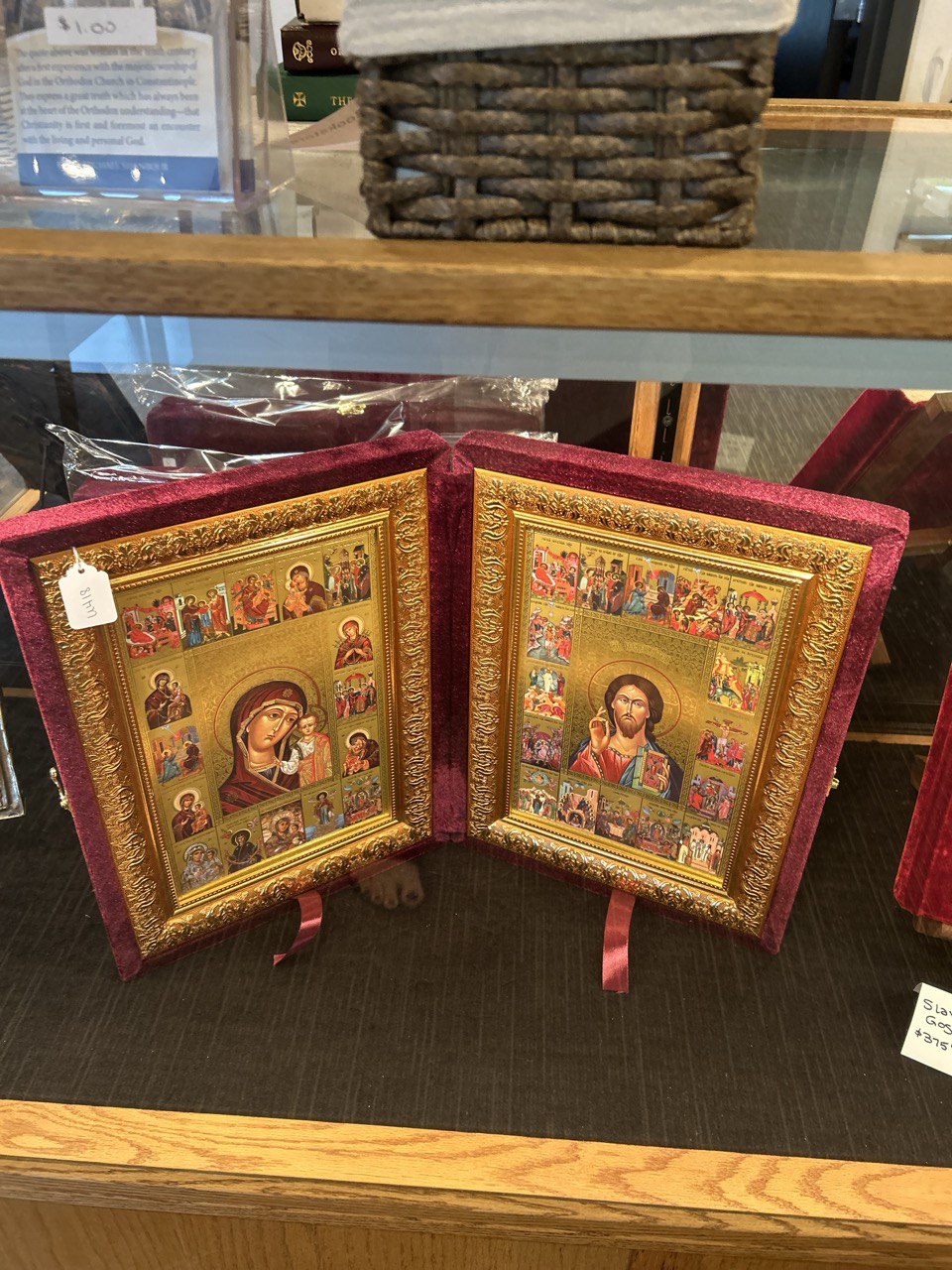
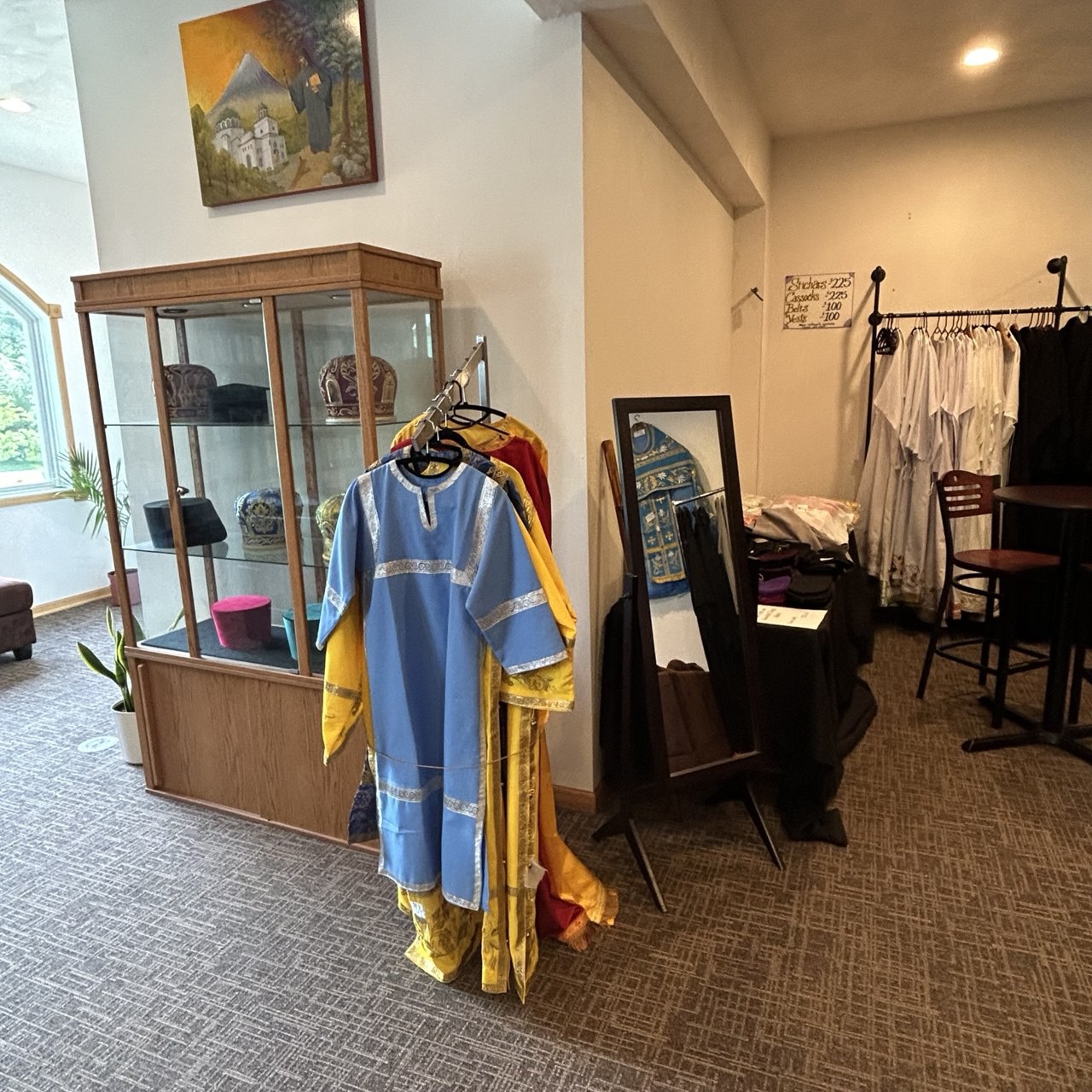
The monastery was founded in 1905 by Hieromonk Arsenius under the «spiritual guidance» of then Bishop Tikhon, the seminary — in 1938. When asked to whom the monastery is subordinate, the seminarian — a large man with a round face and a blond bushy beard named Kevin — replied that the monastery has the status of independent. Kevin — from the Midwest, converted to Orthodoxy, it seems, from Protestantism, and his roots are in Lebanon, although he seemed to me a complete Slav. A monk in the store (photo below) in response to the question of which St. Tikhon the monastery is named after, was completely confused.
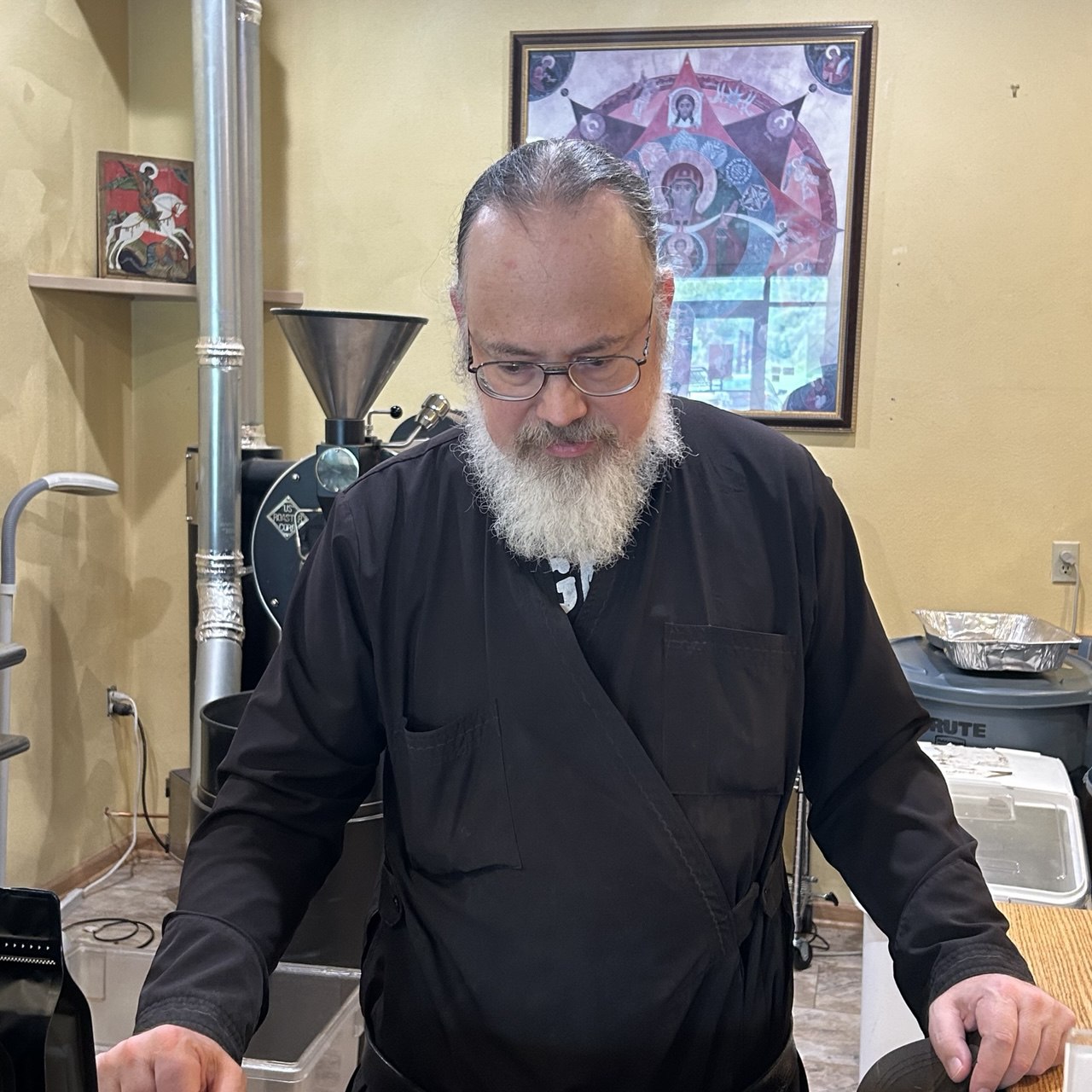
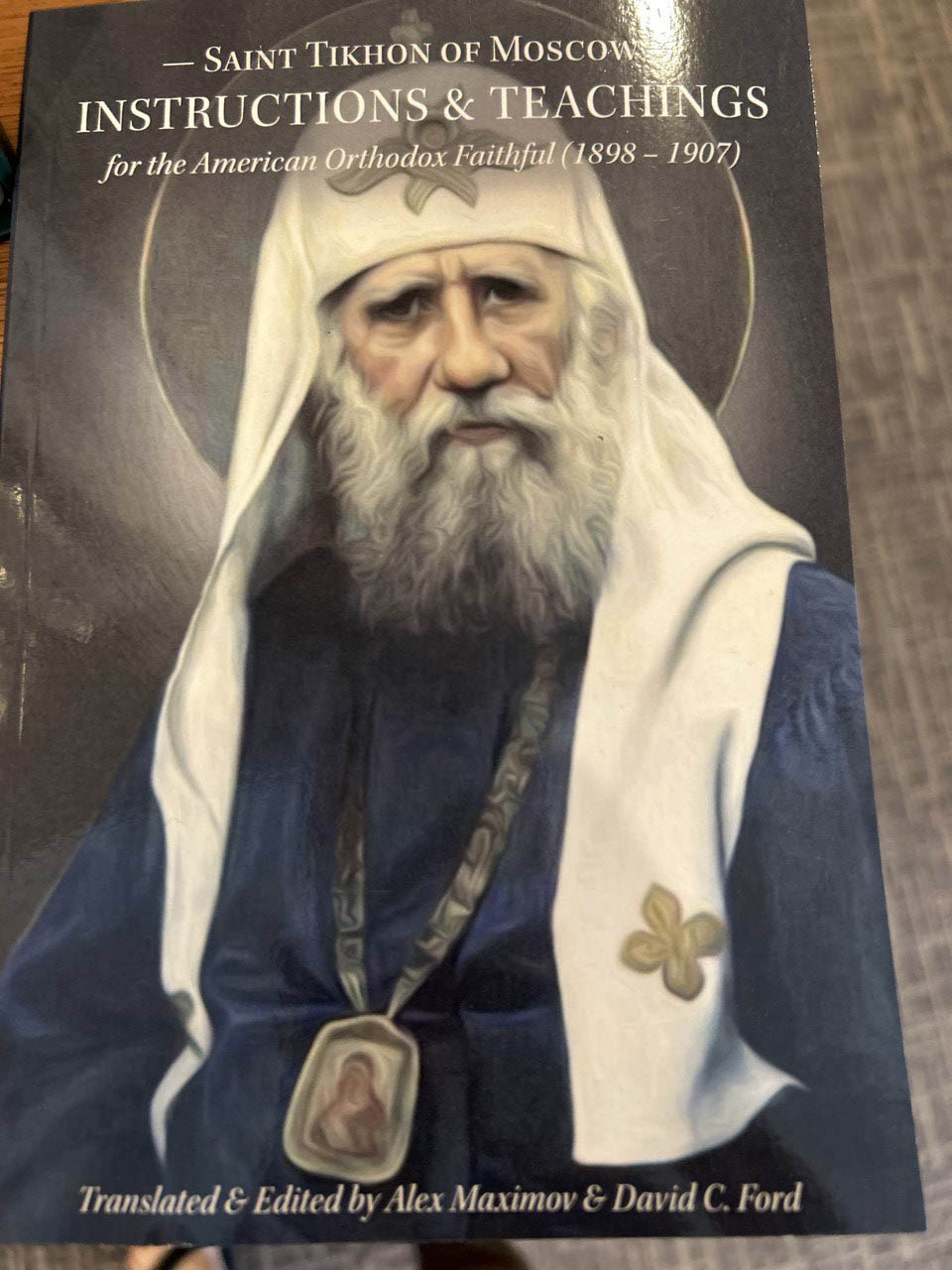
It is named, of course, in honor of the holy martyr Patriarch of Moscow Tikhon, who went through the Lubyanka chambers and either died or was poisoned in 1925. The monk from the bookstore knew nothing about this Tikhon, although his portrait is sold in the store (photo below), and assured me that the monastery is named in honor of Metropolitan Tikhon of Washington, who heads the Association of Orthodox Churches of America (OCA — Orthodox Churches of America). The monastery is indeed part of the OCA and is directly subordinate to Metropolitan Tikhon in Washington. The association is independent of the Moscow Patriarchate, quite critical of Russian aggression, Metropolitan Tikhon condemned the war on the very first day of the full-scale invasion, appealed to Patriarch Kirill to use his influence to stop the killing. However, unlike the Constantinople Orthodox Church, which broke relations with the Moscow Patriarchate back in 2018, as well as unlike the Antiochian (Greek) Patriarchate of America, OCA continues to have religious relations with the Russian Orthodox Church.
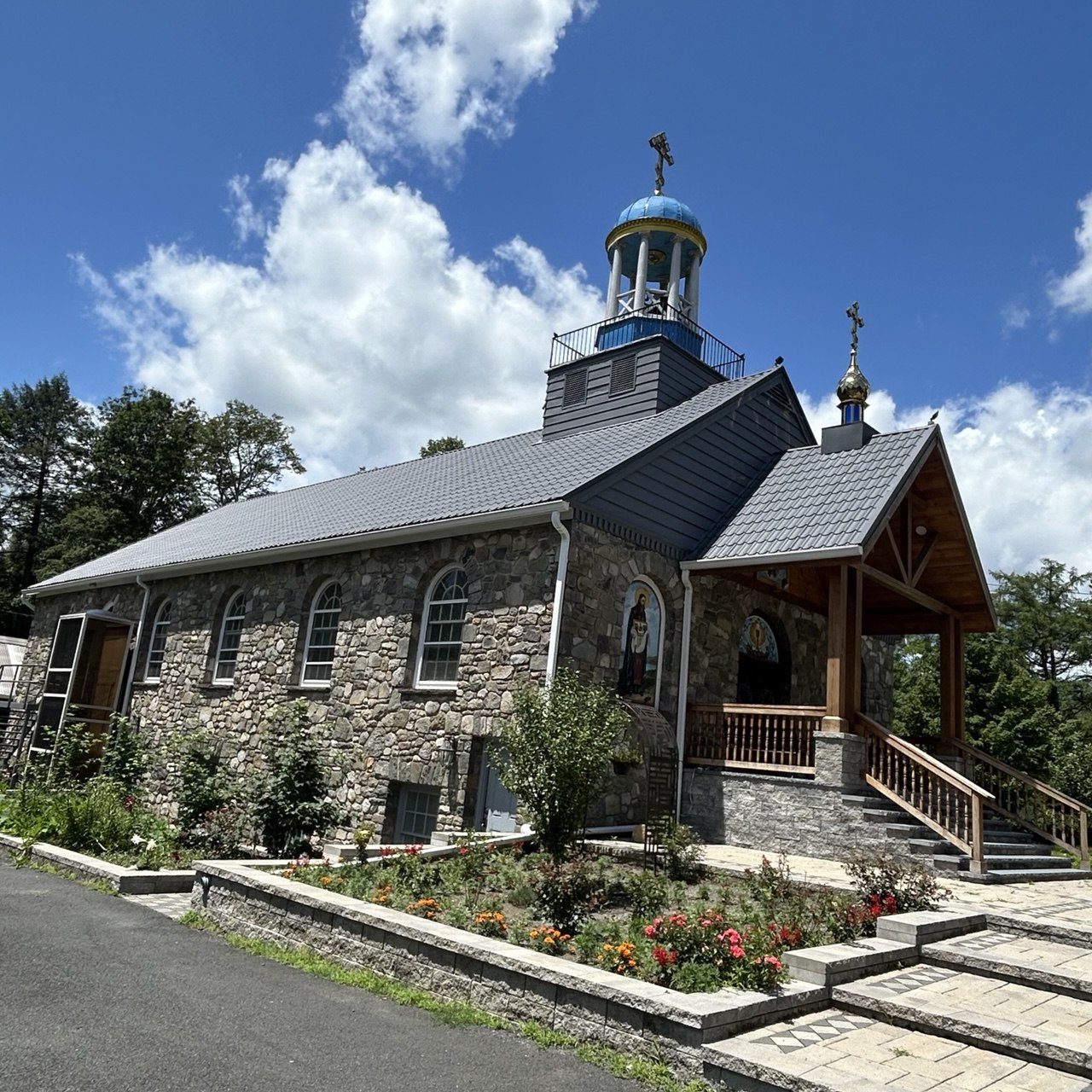
I have seen quite a few monasteries in Russia and in Israel — the monastery in South Canaan in Pennsylvania is unlike any other.
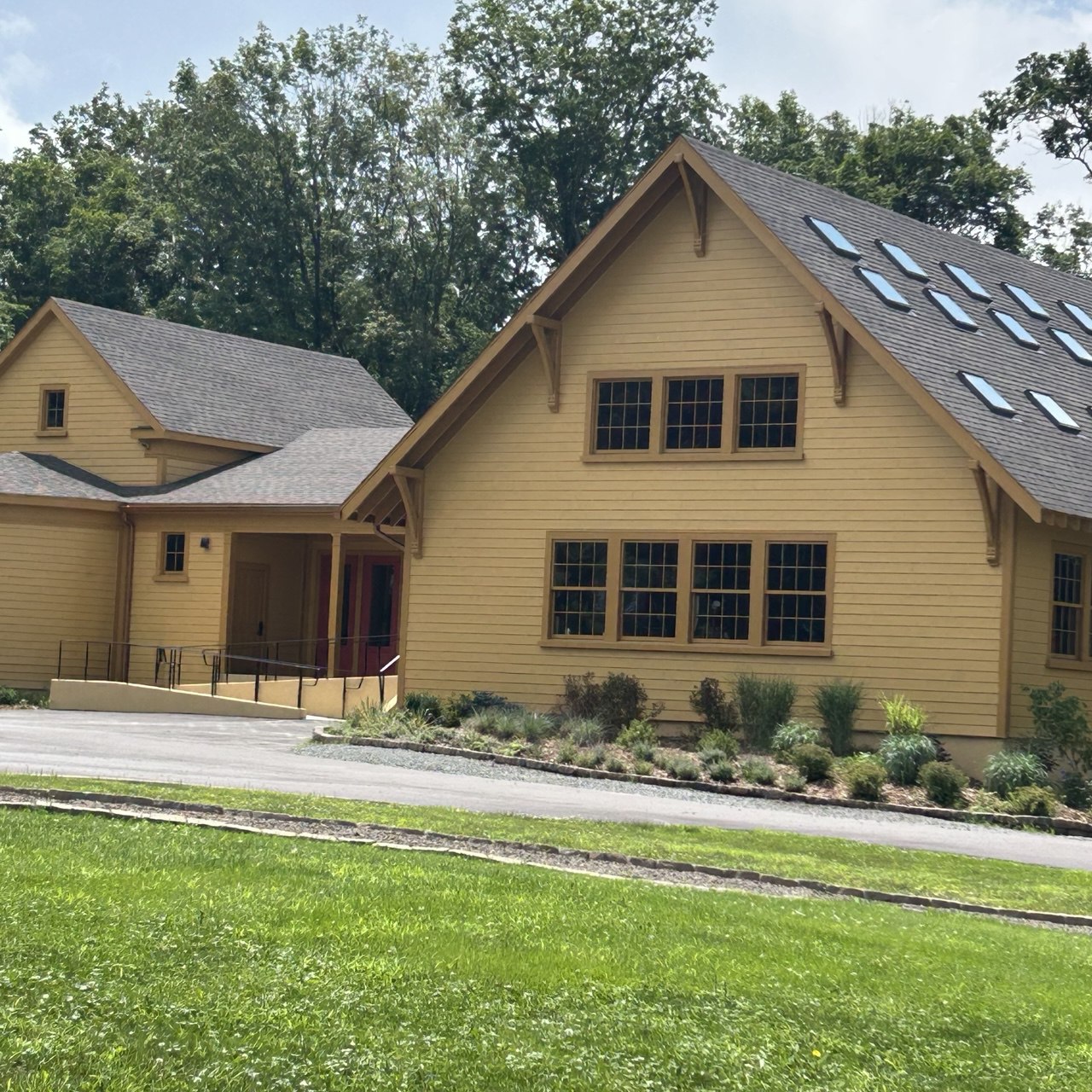
This (photo above) — are cells, a house more in the Swedish style with large windows and central air conditioning. Here live 18 monks, in summer most of them are on the road.
And this — is a hotel for seminarians.
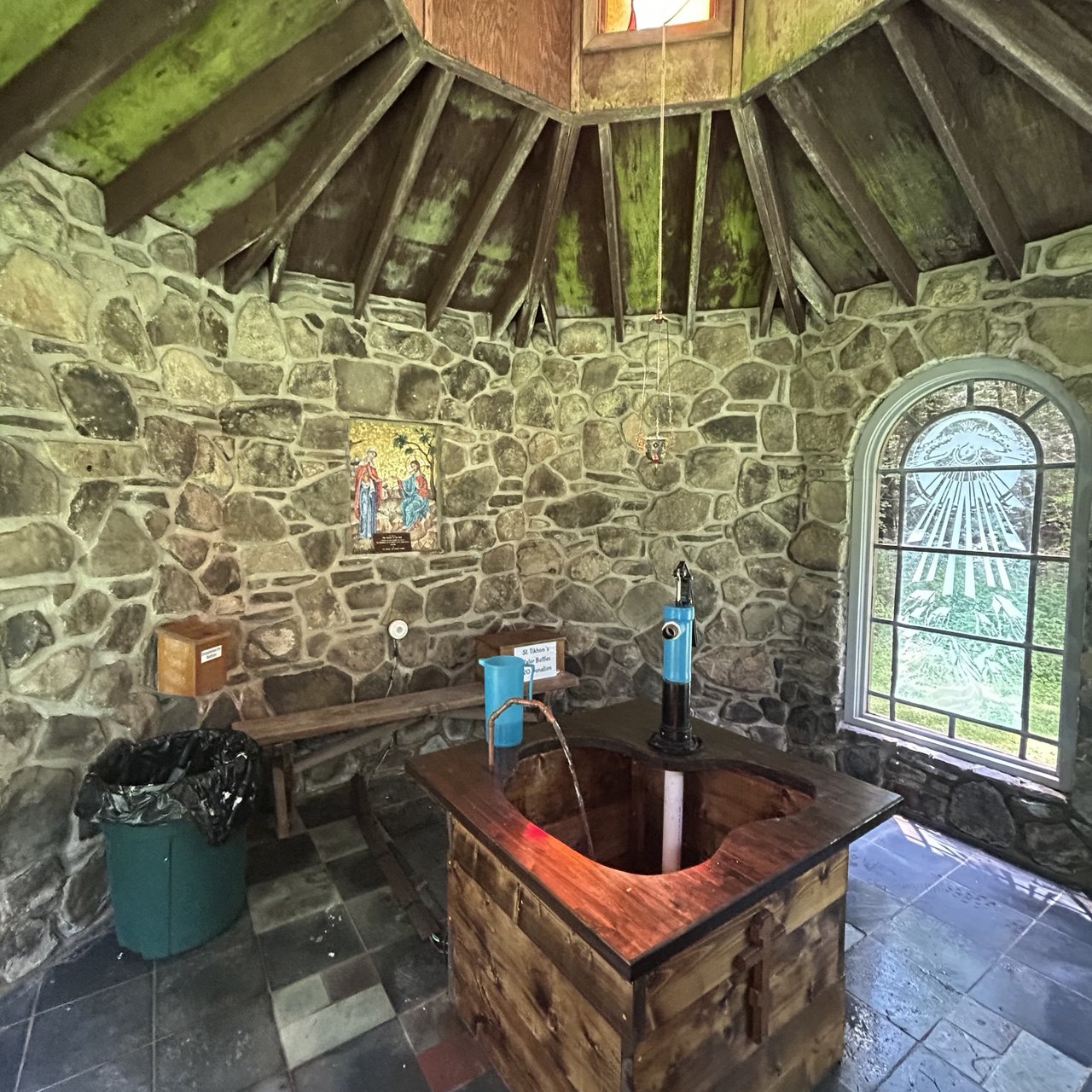
But what struck me most was a neat little house with well water in the forest. You open the door — a sensor immediately reads it and turns on a tap with cold well water, the door closes — the water stops flowing. Very American.

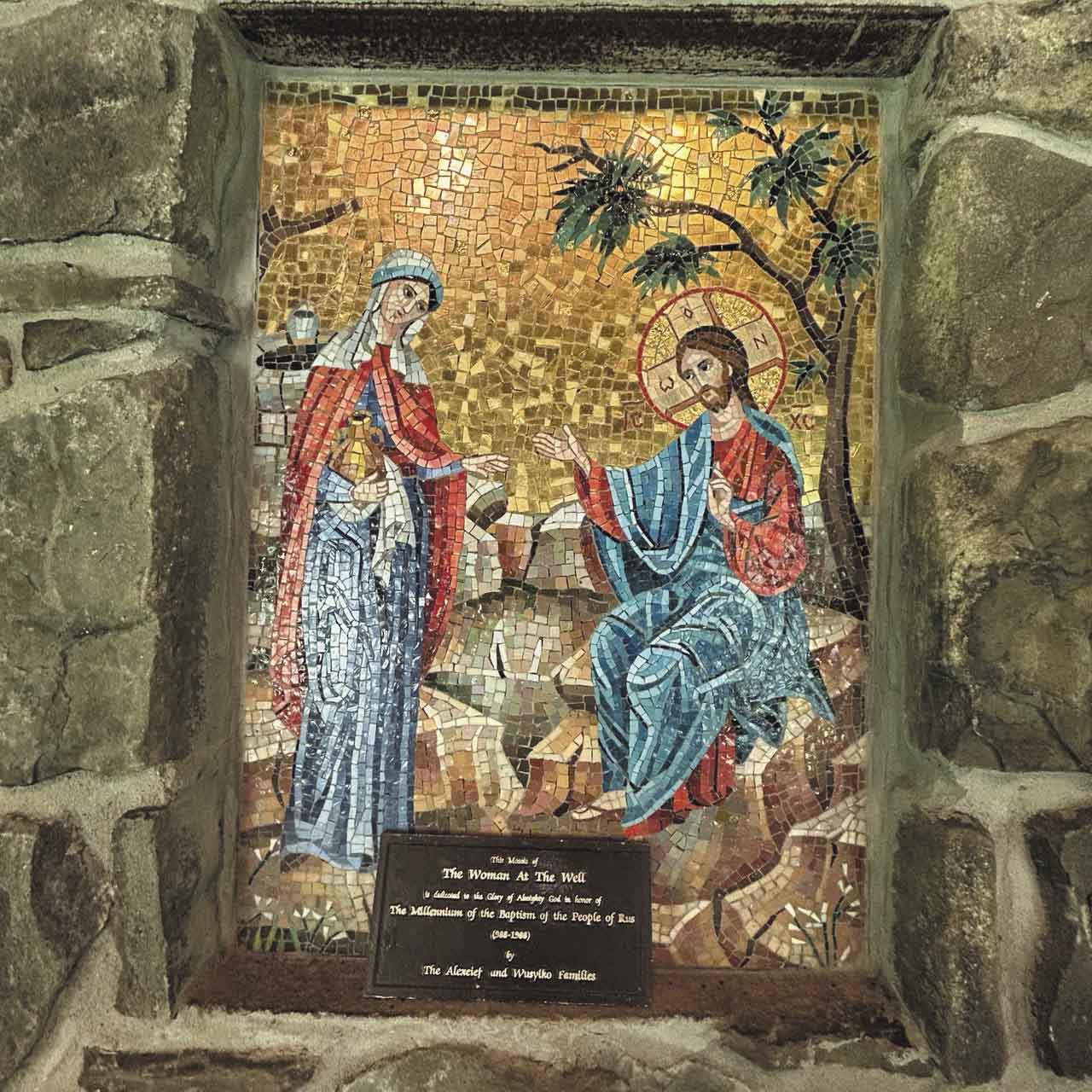
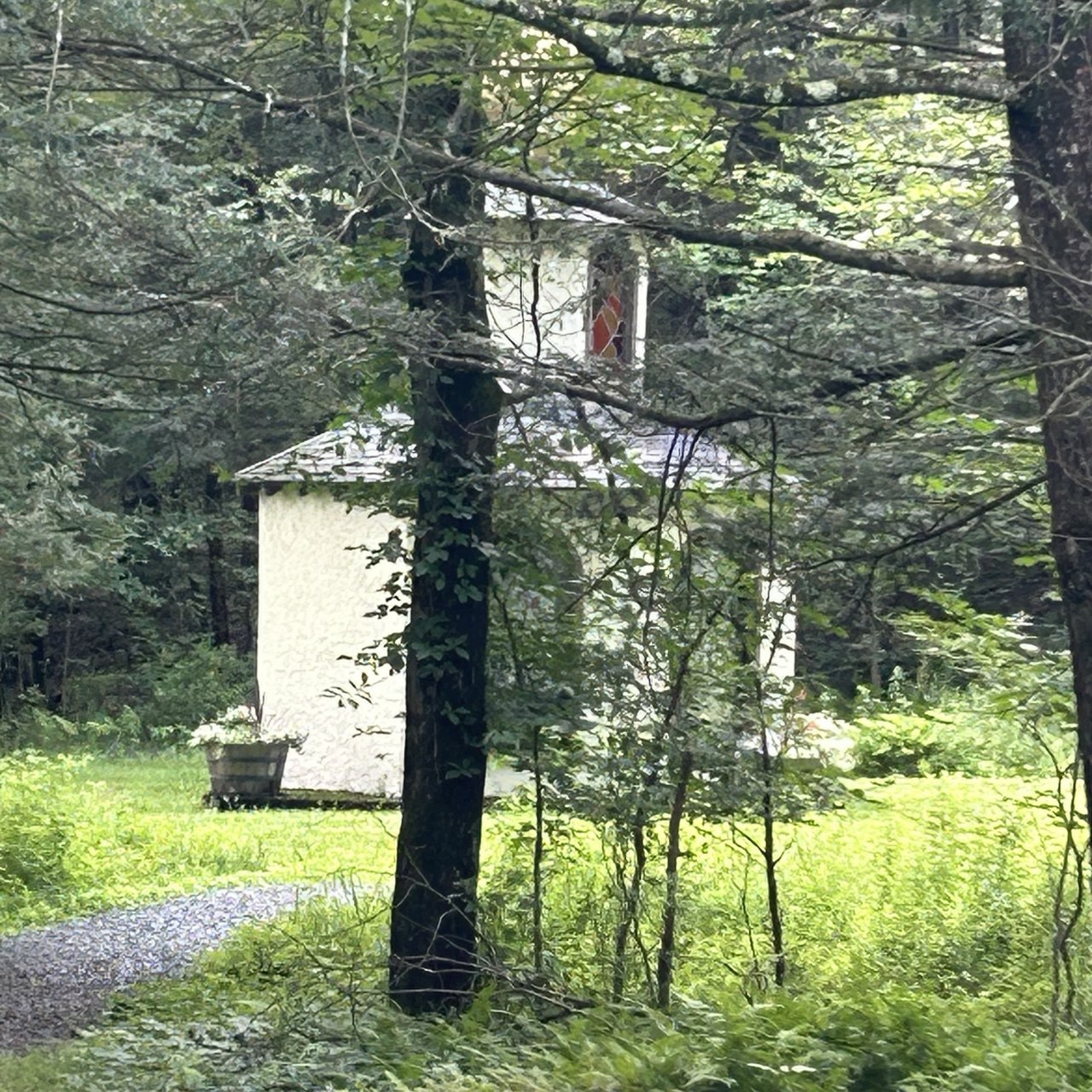
The monastery is well-maintained, clearly not in need of money. It is probably supported by Orthodox — descendants of the White Emigration, who live in the cities of New York State and who, as Muscovites told me, come to these places in summer, to lakes — entry to their settlement is closed to outsiders.
In addition to St. Tikhon's Monastery, there are two more monasteries, male and female, within a 60 km radius.
There are six Orthodox churches in Pennsylvania, four of which are under the Moscow Patriarchate. None of the churches responded to my calls for an interview.
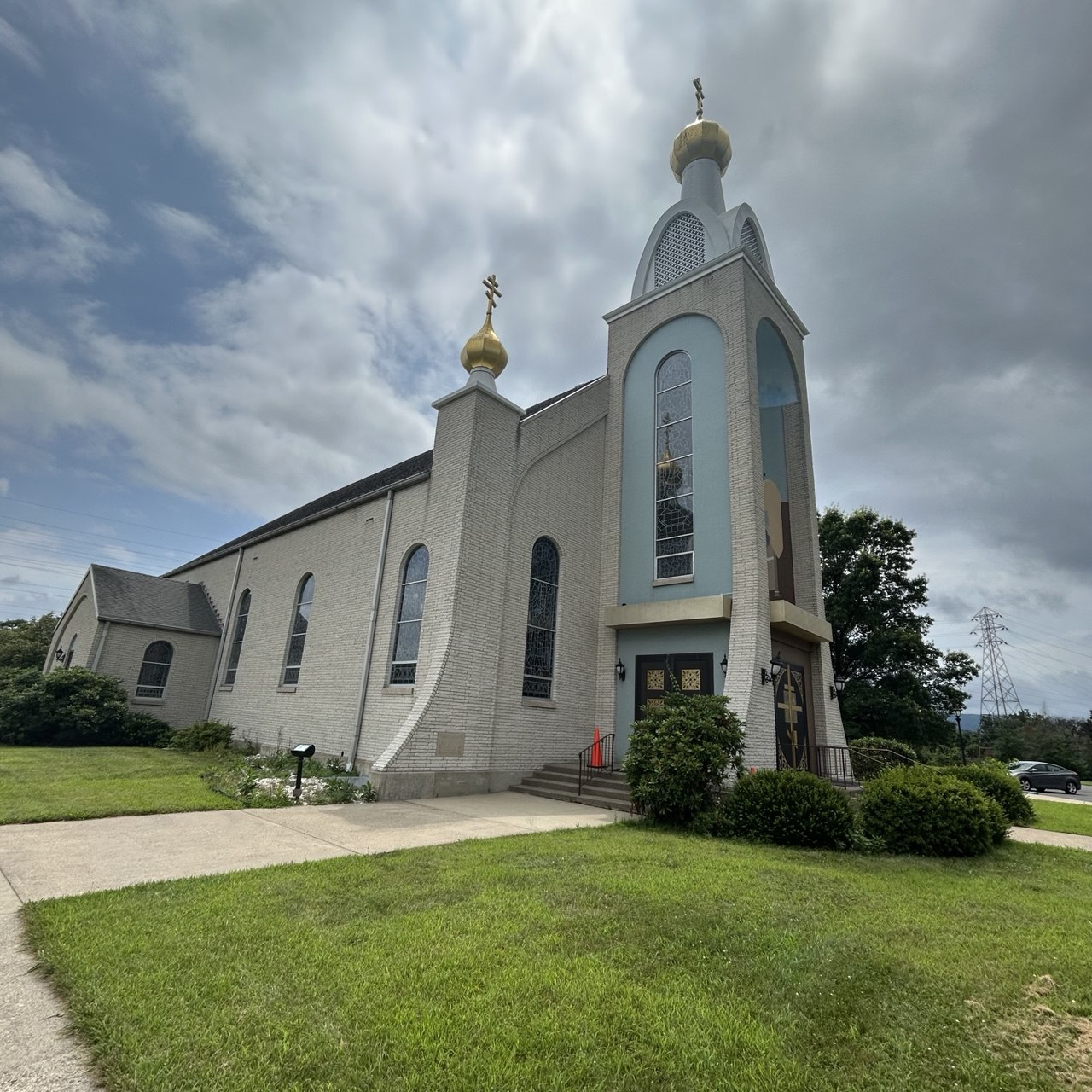
Holy Trinity Orthodox Church
In the city of Wilkie-Barres, 60 kilometers north of Moscow — is the Holy Trinity Orthodox Church. This church is part of OCA, has nothing to do with the Moscow Patriarchate. The church is beautifully located — it can be seen from everywhere, although the quadrangle on the octagon here was taken literally: four straight corners, because of which all the charm inherent in Russian church architecture is lost. There is also an Antiochian Orthodox Church of St. Mary in the Willkie-Barres area (relations with the Russian Orthodox Church are severed), and the Church of St. Nicholas, which is part of another Orthodox organization in the USA — ROCOR (Russian Orthodox Church Outside of Russia). ROCOR has not publicly condemned the full-scale invasion of Ukraine, suspended relations with the head of the Constantinople Church Bartholomew, continues to honor Patriarch Kirill and is in close canonical communion with the Moscow Patriarchate.
In the Promised Land of Pennsylvania
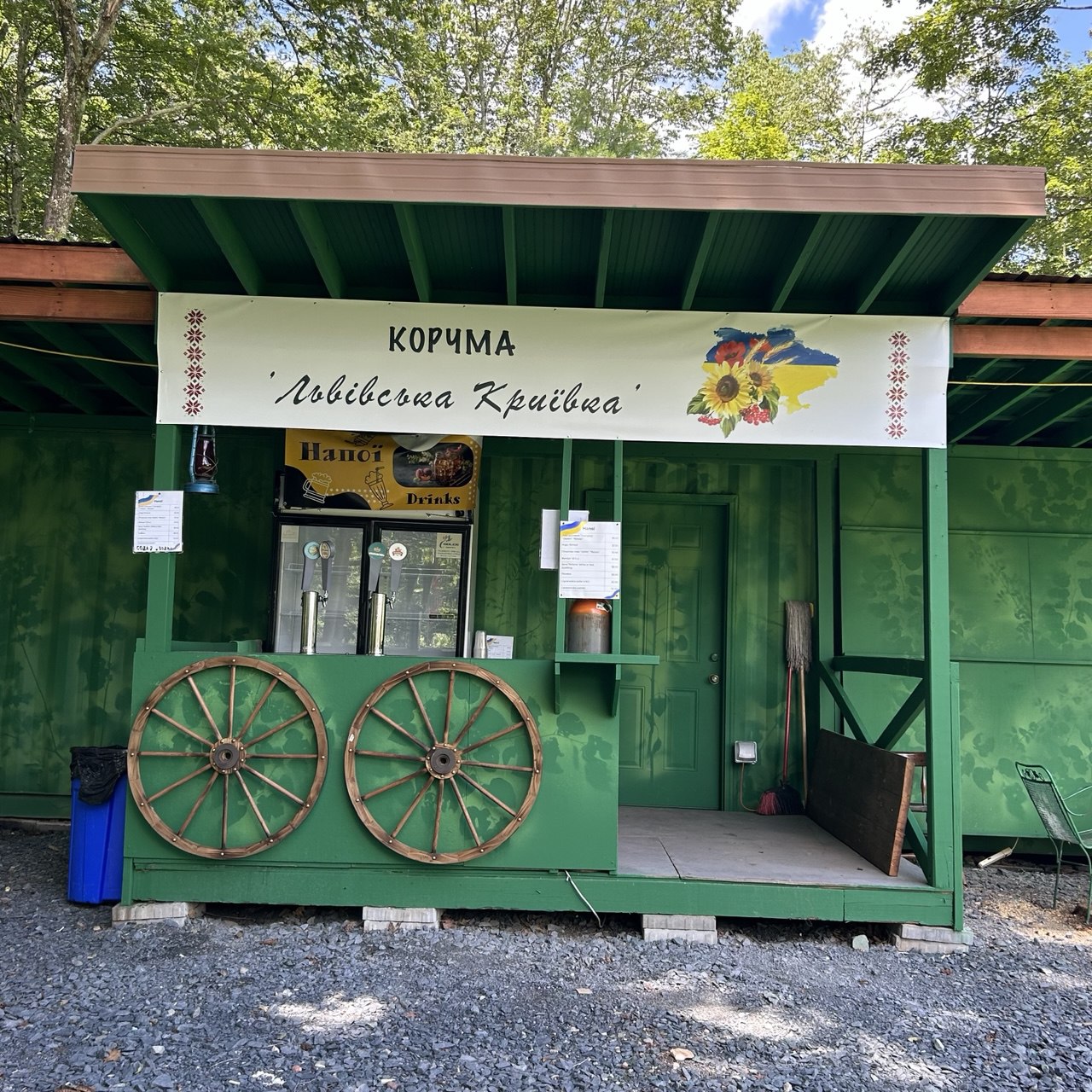
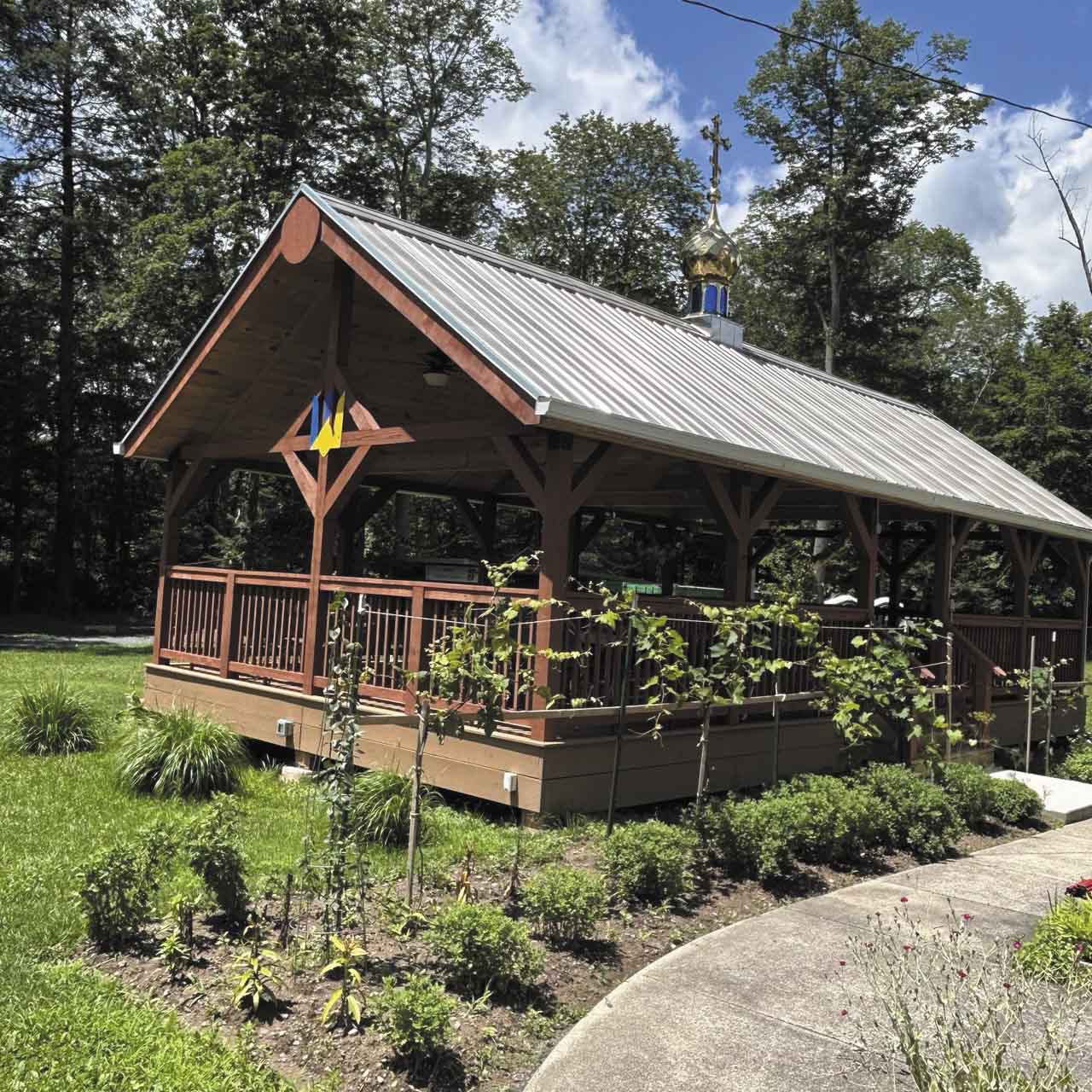
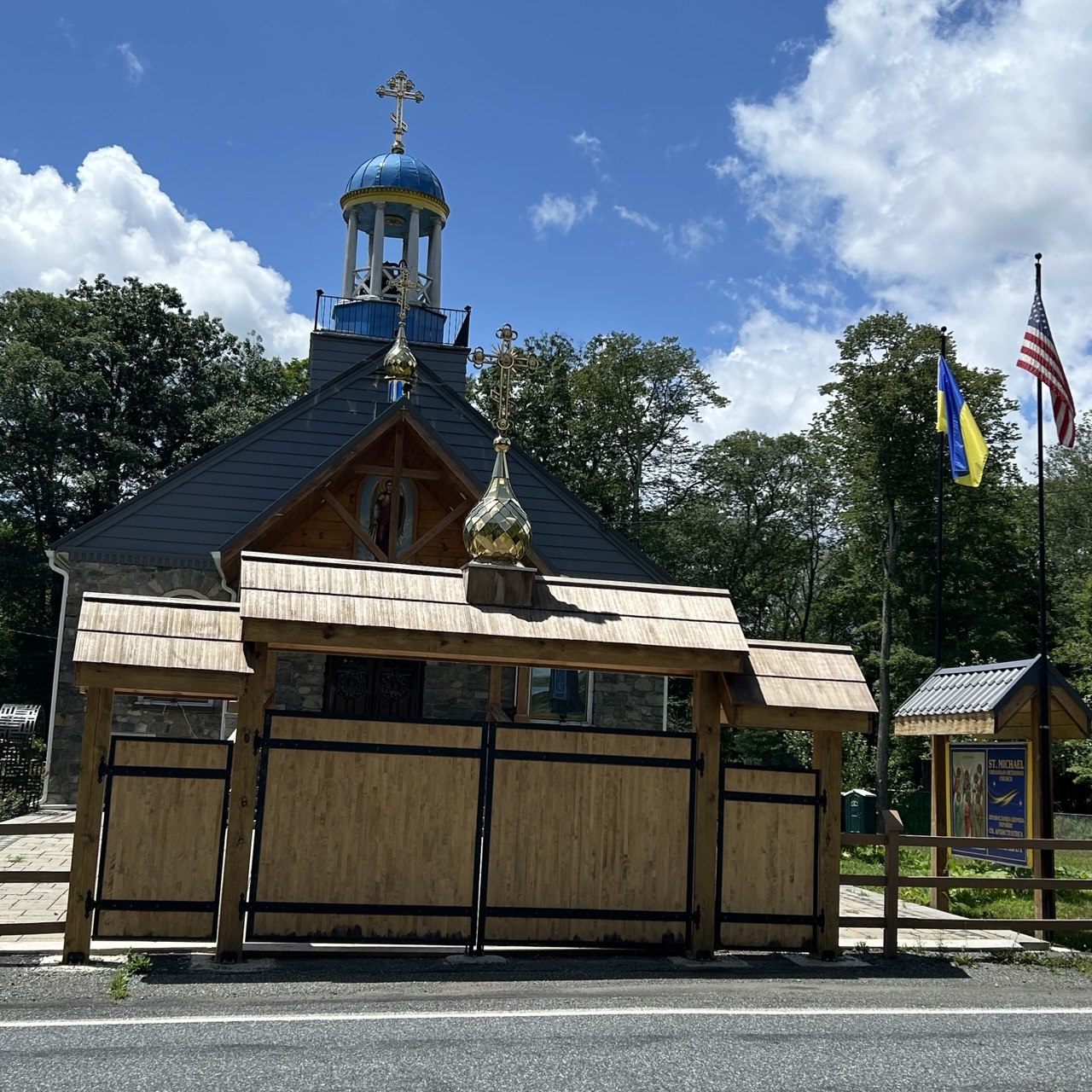
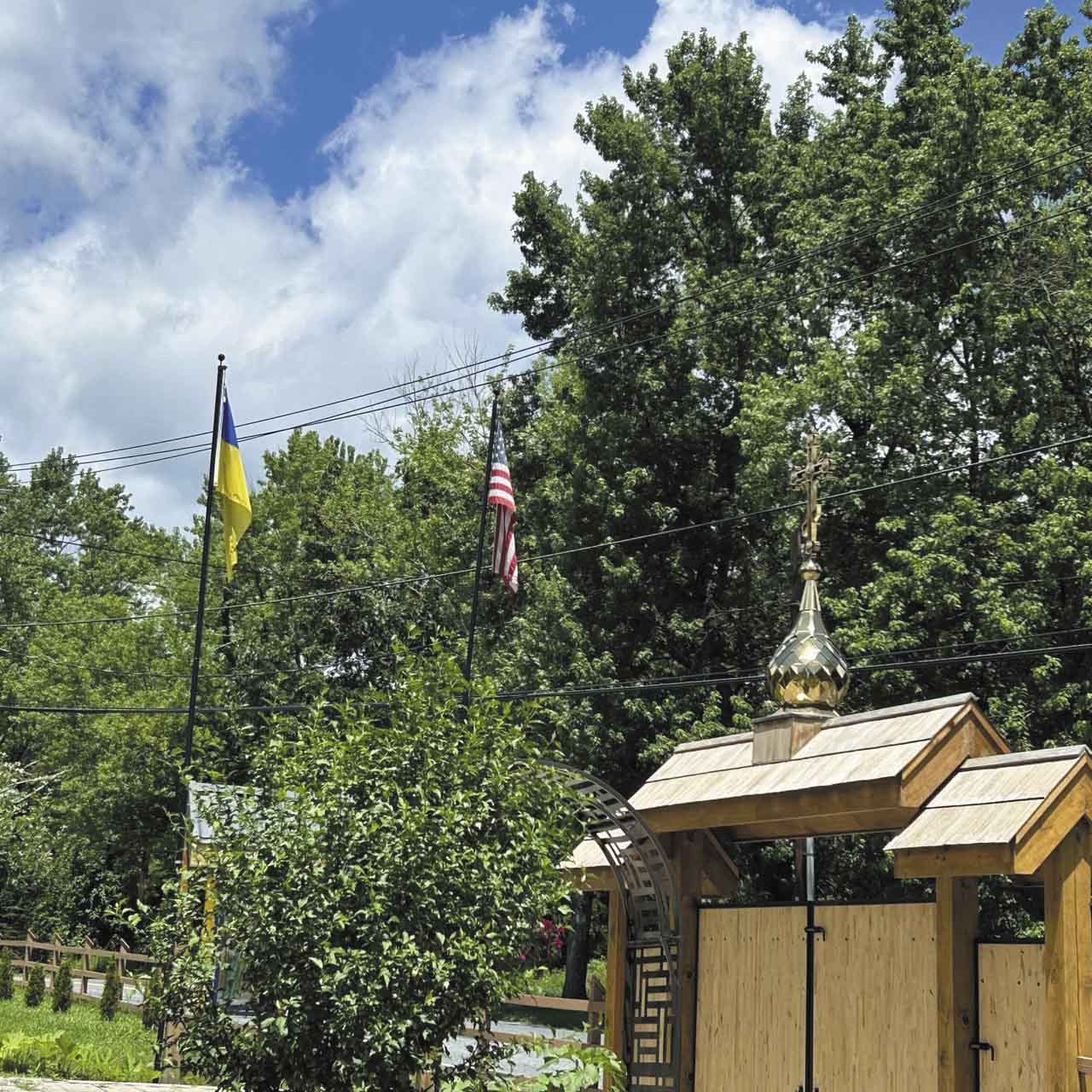
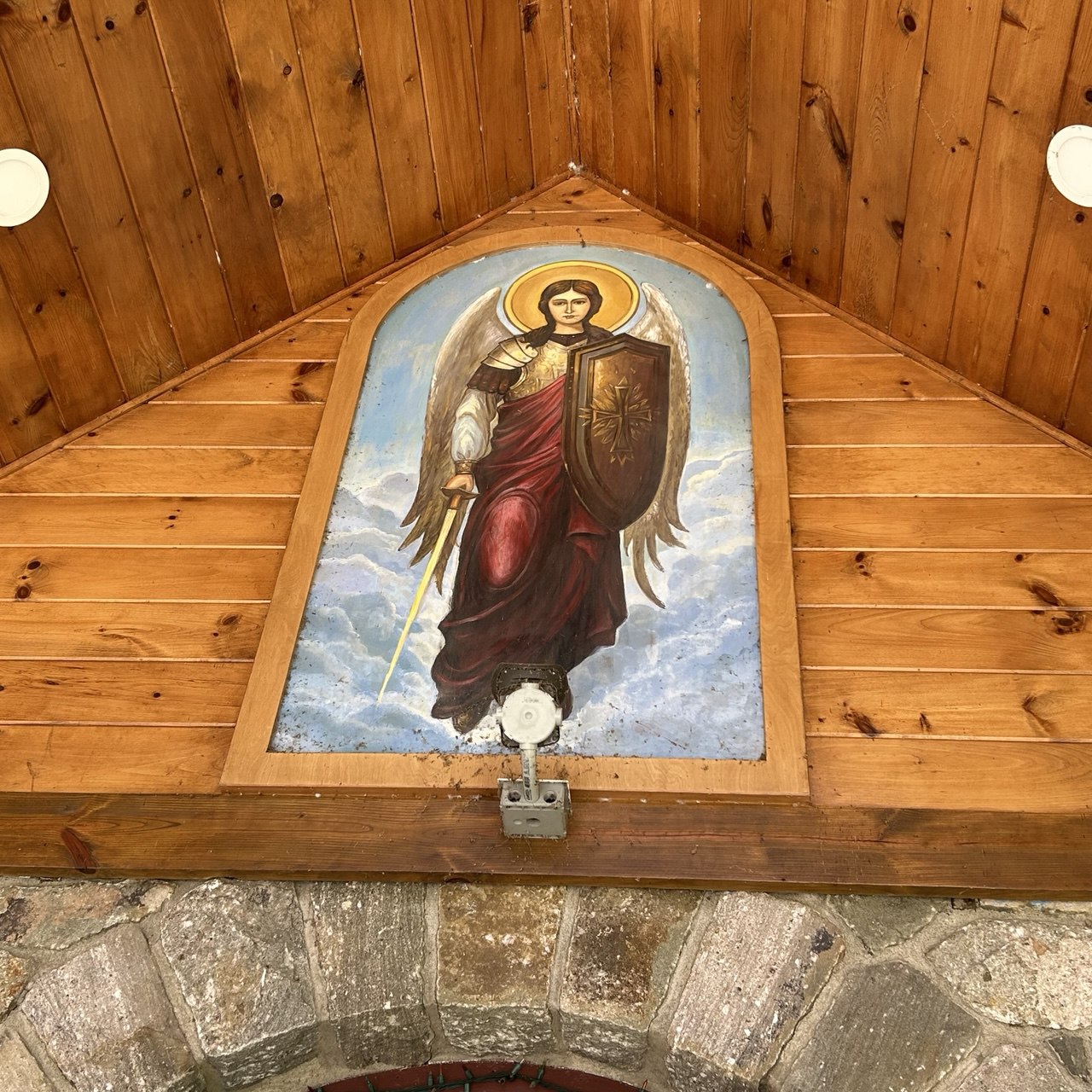
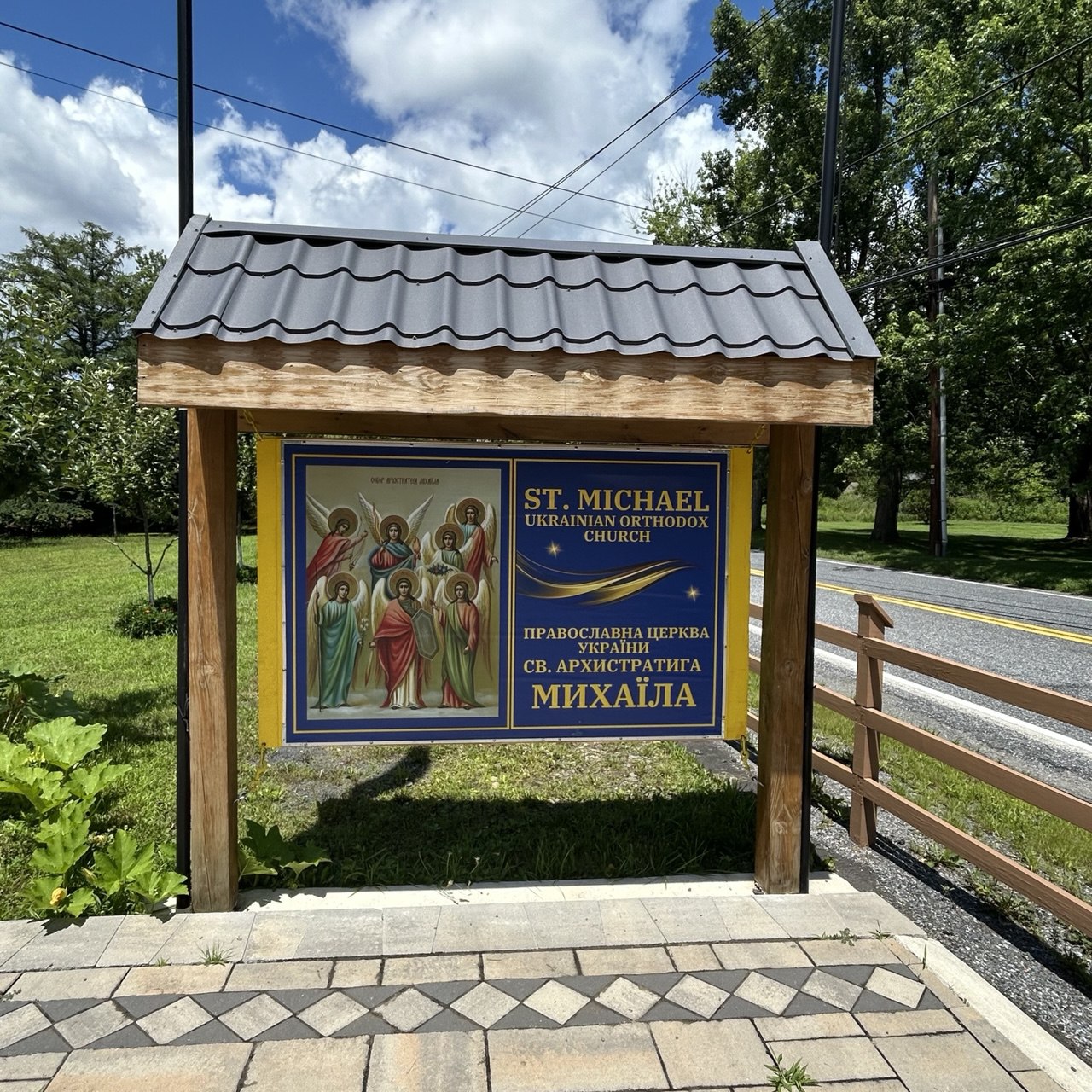
Finally, on the road from Pennsylvania's Moscow to the Promised Land park — exactly what the state park is called Promise Land State Park — is the Ukrainian Orthodox Church of St. Michael the Archangel (photo below), which has completely severed relations with the Moscow Church. Here everything is in the colors of the Ukrainian flag, there is also a tavern, although it is closed. In the priest's house, there were clearly people, a kind pedigreed dog met me, but nobody came out of the house, and I didn't insist. The attitude of Ukrainians towards people speaking Russian here is not too friendly, which is quite understandable.
Grandma Rosa in the department of Rio Negro, in Uruguay
If in Pennsylvania Orthodox Russians, Ukrainians, Rusyns fled not so much from persecution as from terrible poverty and the desire to have their own land to raise children on, then a completely different story I found in another hemisphere and in another country — in Uruguay.
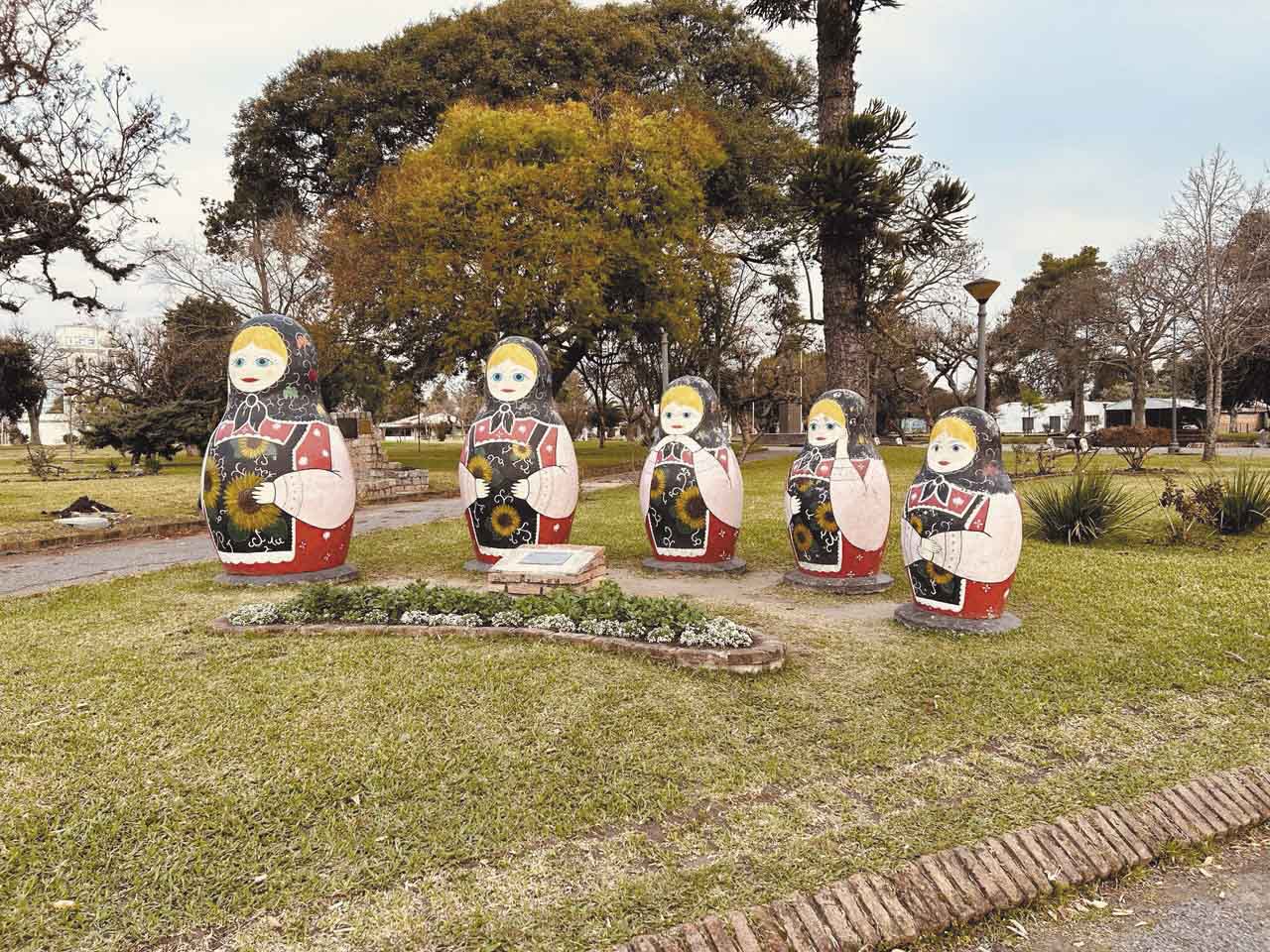
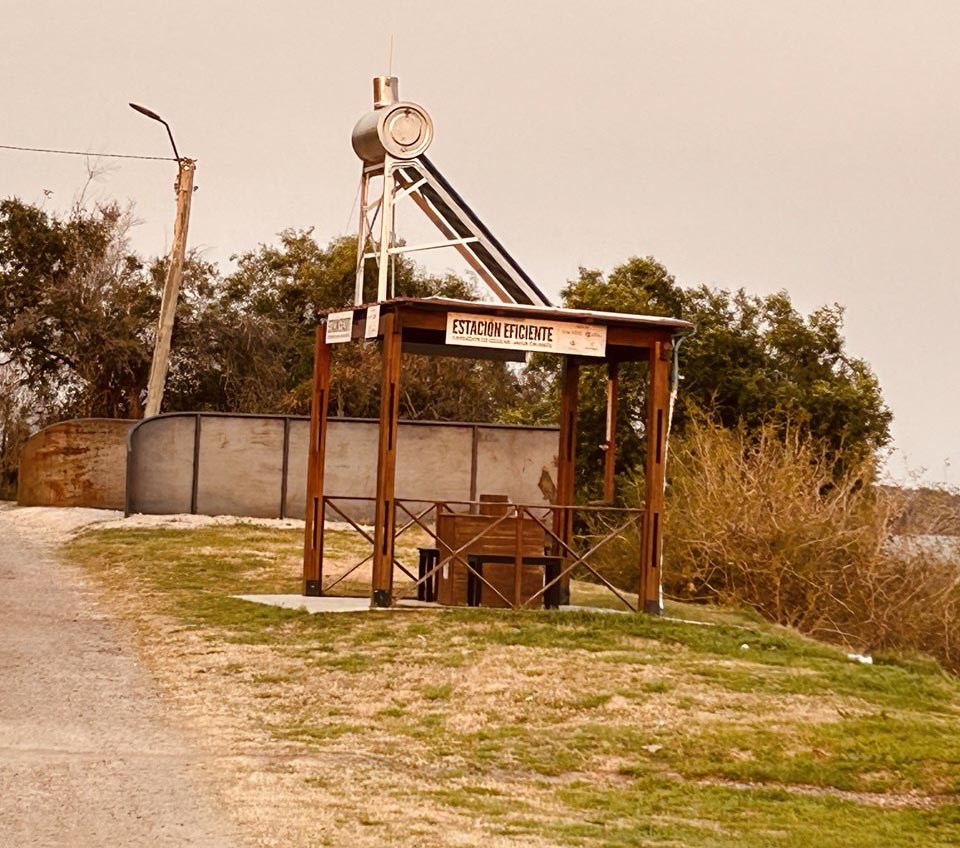
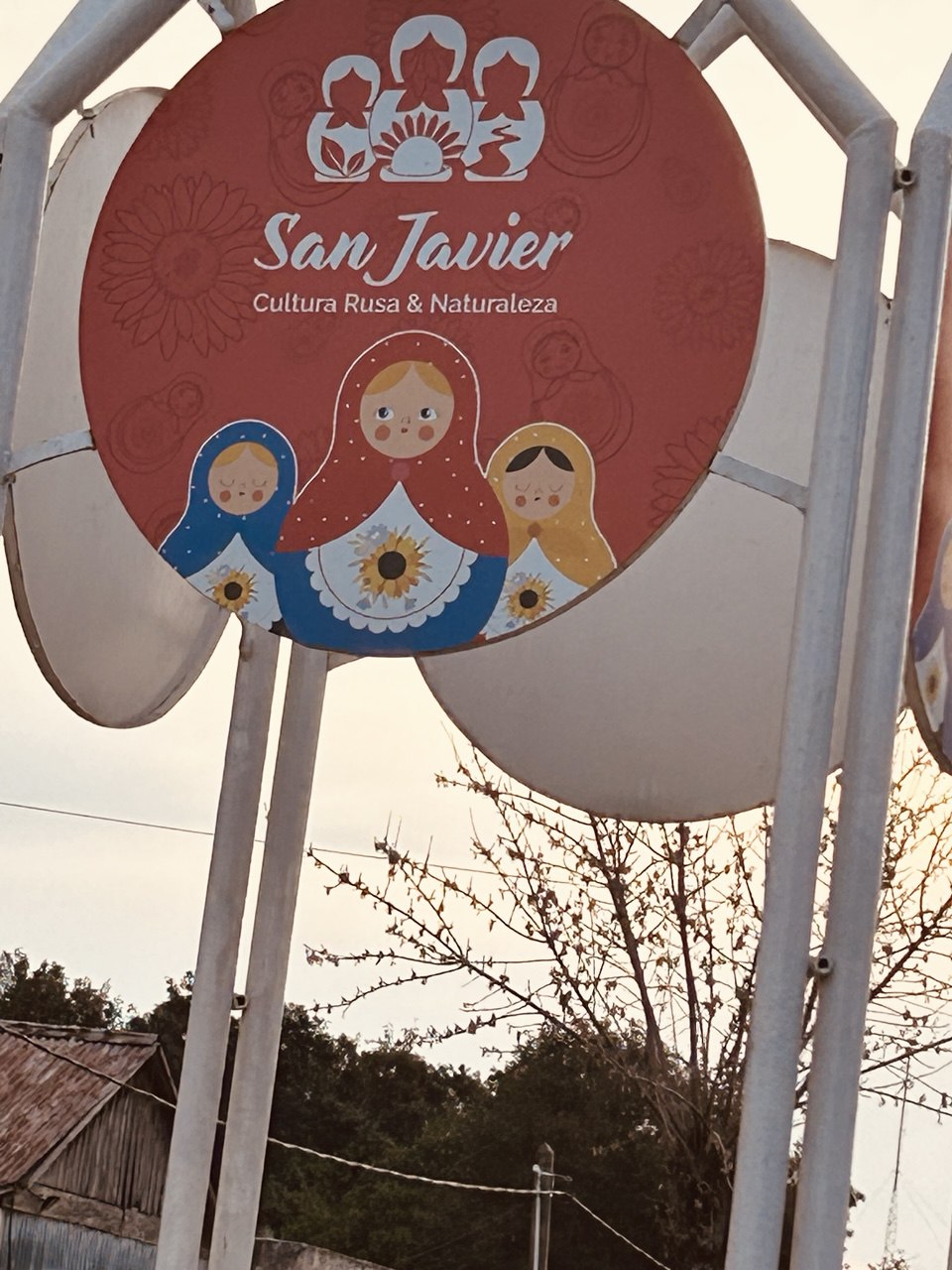
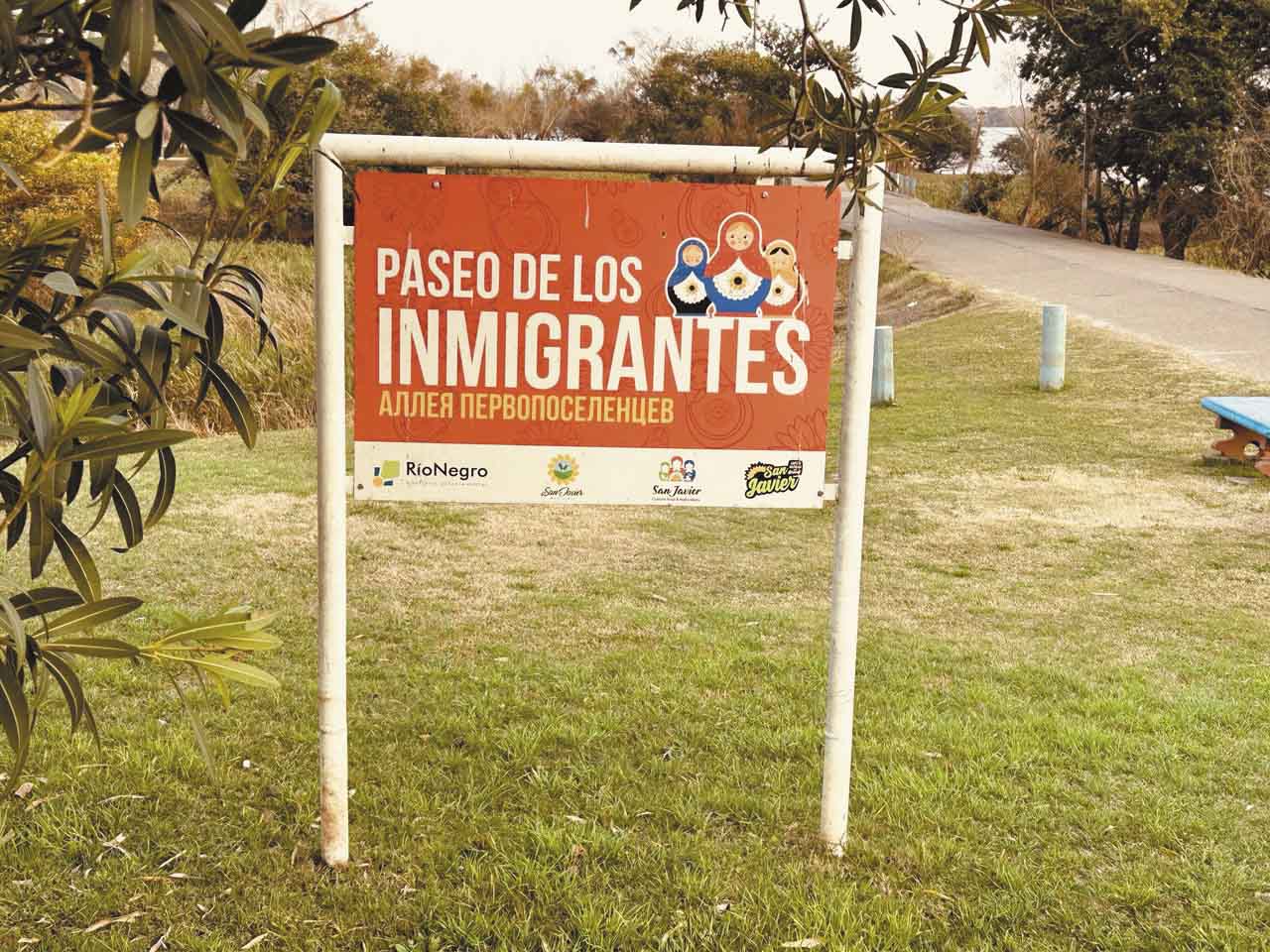
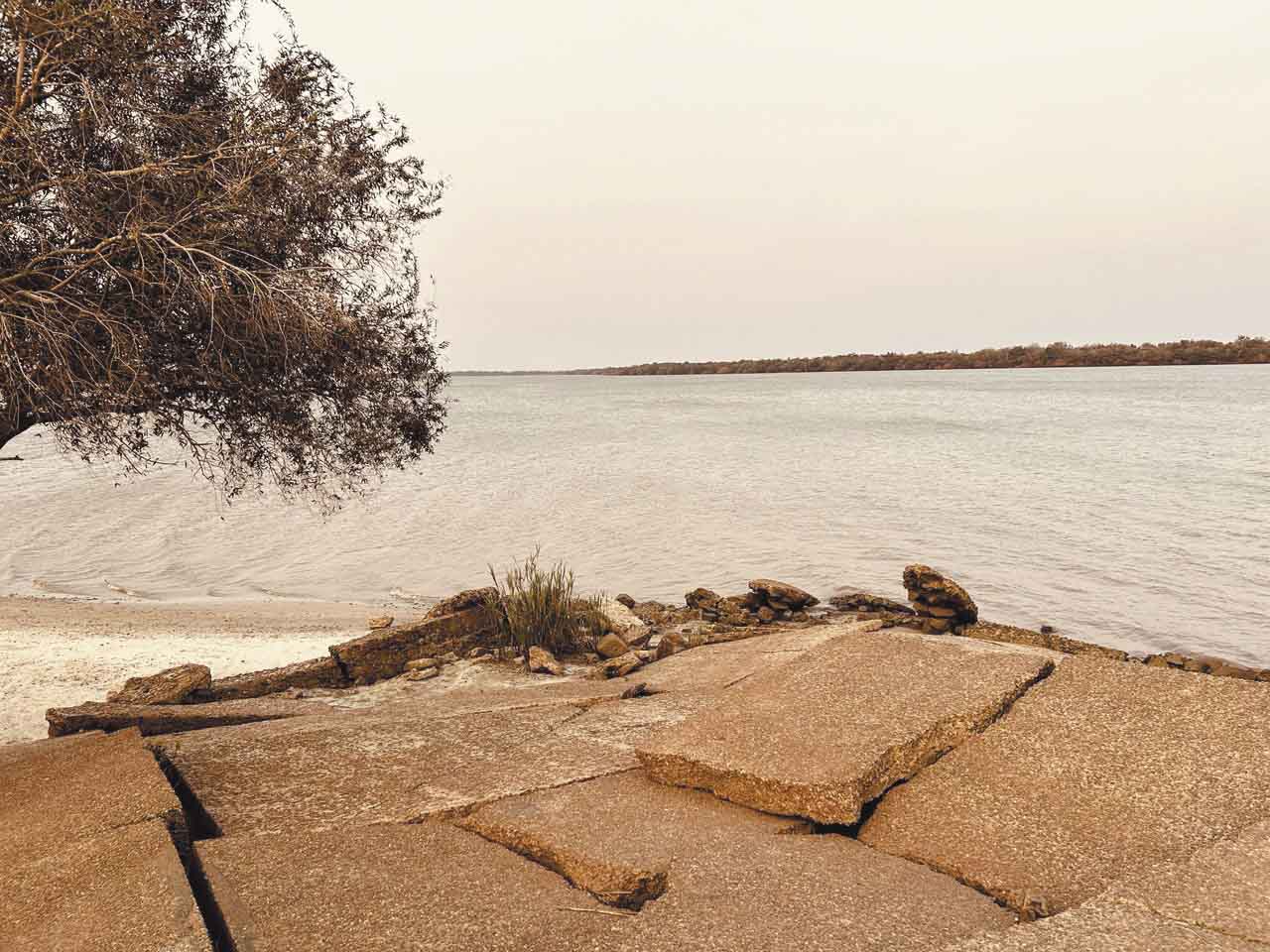
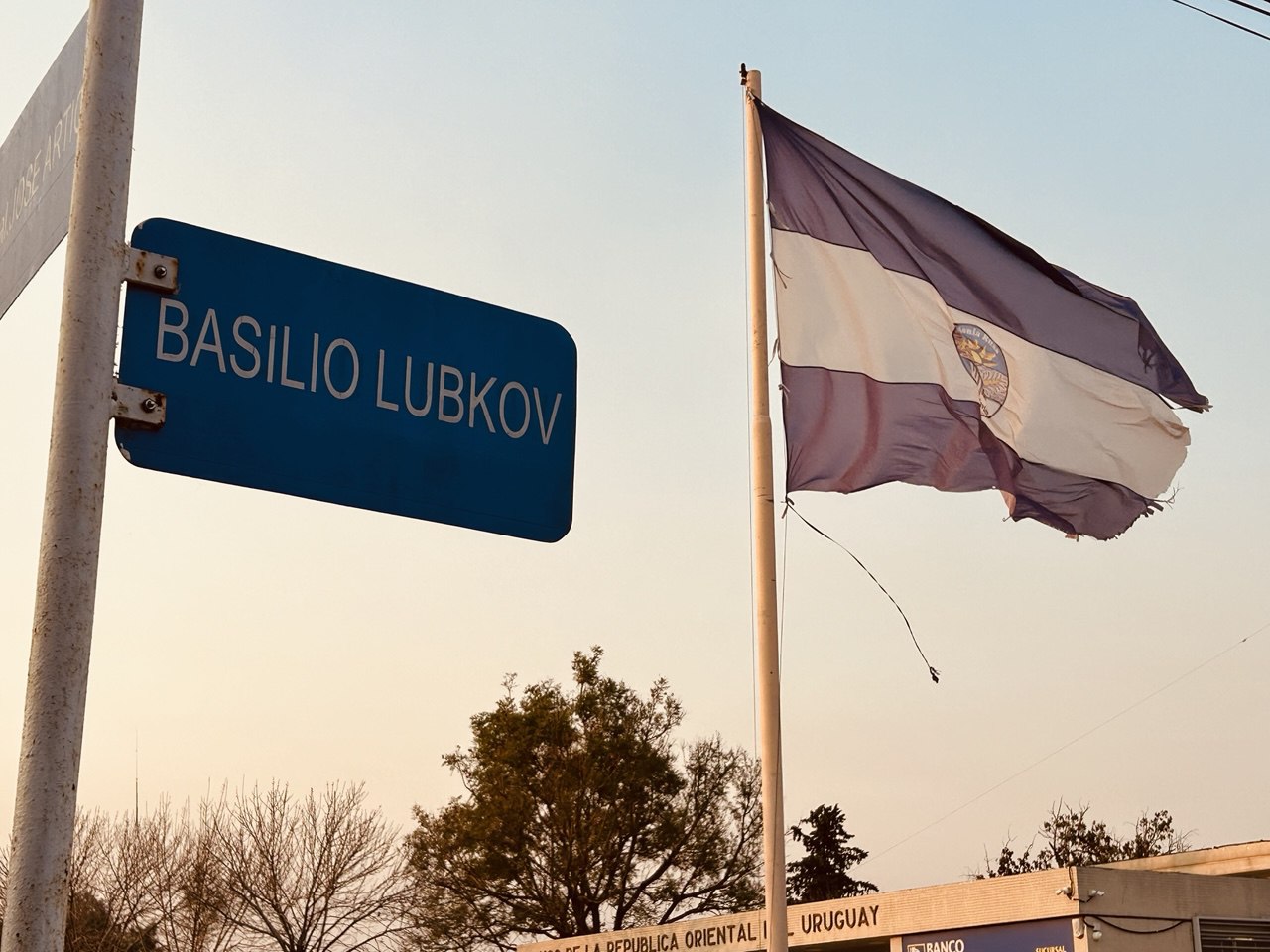
This is a small country of three and a half million people (3 million 388 thousand), squeezed on the Atlantic side of the continent between two Latin American giants, Brazil to the north and Argentina to the south. I went there to find out how Uruguayans, whose country was called the Latin American Switzerland, managed to cope with the military junta that ruled the country — and completely ruined it — from 1973 to 1985. So in 370 kilometers northwest of the country's capital Montevideo, in the department of Rio Negro, on the banks of the Uruguay River, there is a town called San Javier. On the internet, it is marked with photos of matryoshkas. There are matryoshkas, there is a museum, there are even men with round, Slavic-looking faces (in Uruguay, people from Central and Southern Europe — Italians, French — primarily emigrated), there is an old cemetery with Russian names and surnames on the graves, but there are no more people speaking Russian. Not a single one. Although I walked around the town, asked, they pointed to the ruins on the outskirts of the town — Russians lived here. They were, but no more (photo below).
The history of this community is as follows. In Tsarist Russia, there was a church called New Israel. Its adherents were naturally called sectarians, like the Sabbatarians, and the Witnesses, and the Pentecostals, and the Adventists, and the Khlysts, and the Doukhobors, and all the others who did not swear allegiance to the Russian Orthodox Church.
«New Israel» — was (and, by the way, is) a branch of the religious movement of spiritual Christians that arose in Tsarist Russia in the late 19th century. Spiritual Christians, in turn, originate from the Fasters and the Khlysts, Russian Protestants who rejected traditional Orthodox rituals and believed that the Russian Orthodox Church was mired in the sin of luxury. In the Russian internet, there is some confusion about the «New Israel» community, authors confuse them with the Judaizers or Sabbatarians. I wrote about the latter in the essay «We are not your flock of sheep», I was in their villages in the Voronezh region.
Exactly the same sectarians of different denominations — Puritans, Methodists, Quakers, Amish, Mennonites, etc. fled from Europe to the USA — fled for religious freedom and the right not to be killed or put in an iron cage, as the Sabbatarians were imprisoned from the time of Catherine the Great or the Old Believers were driven to self-immolation.
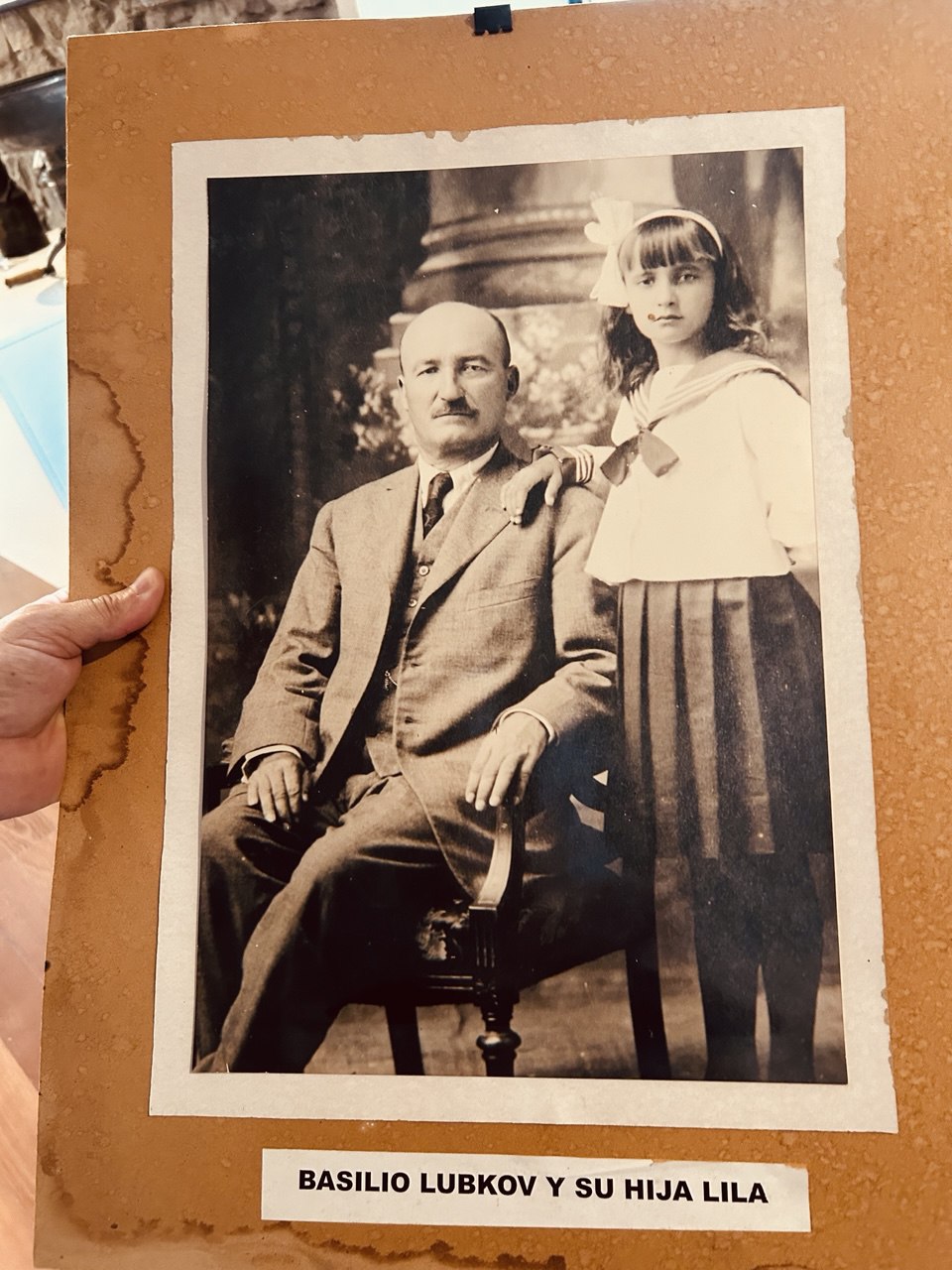
Vasily Lubkov
The followers of «New Israel» had a leader — Vasily Semyonovich Lubkov, who went with 300 families from the Voronezh region to Uruguay, where they founded their settlement on the banks of the Uruguay River, San Javier. Here they began to grow sunflowers and produce sunflower oil. Such a craft did not exist in Uruguay before. A year later, another hundred families joined the community in San Javier.
This is how they are captured in old photographs, which I re-photographed in the community museum on Vasily Lubkov Street:
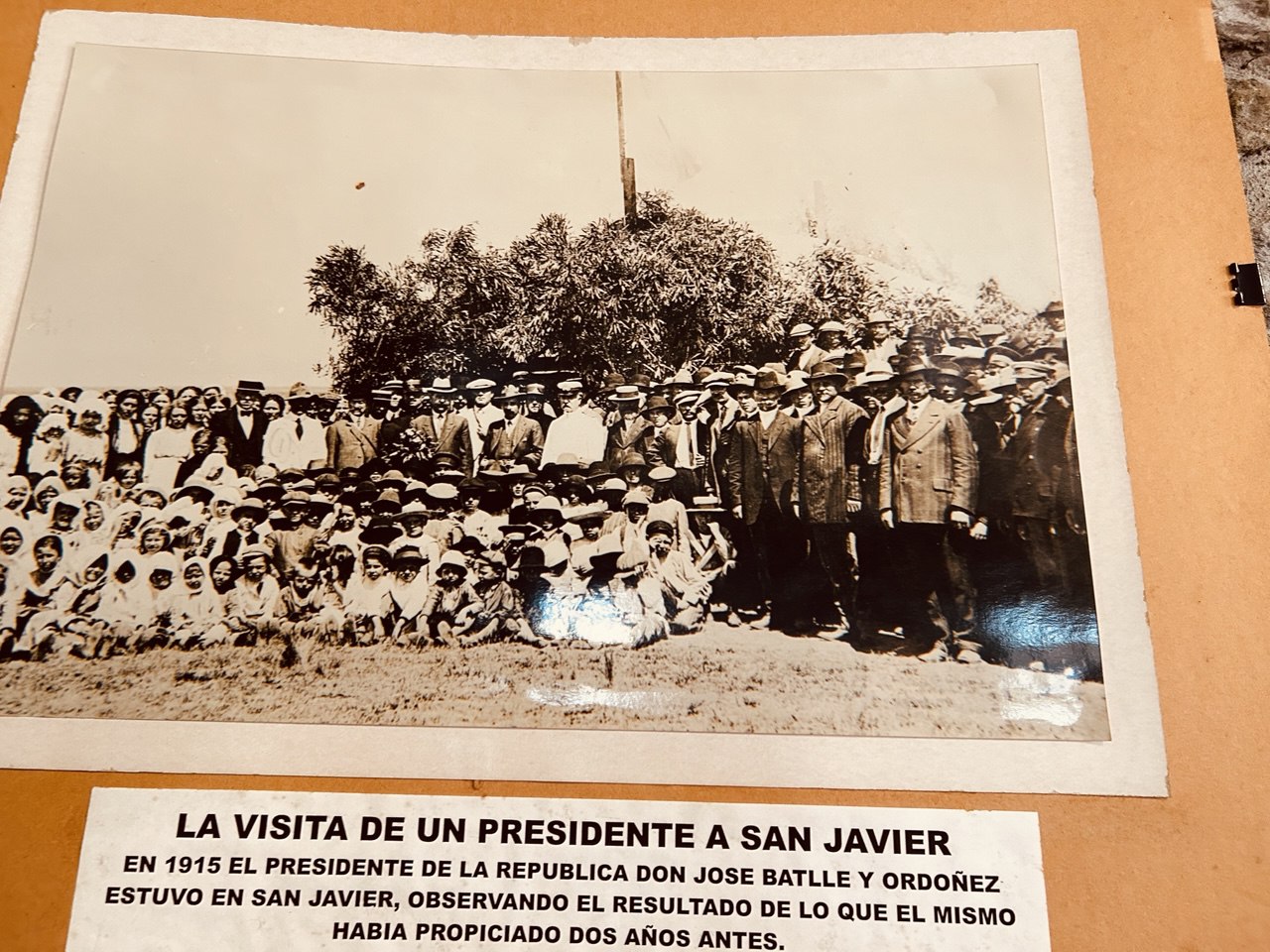
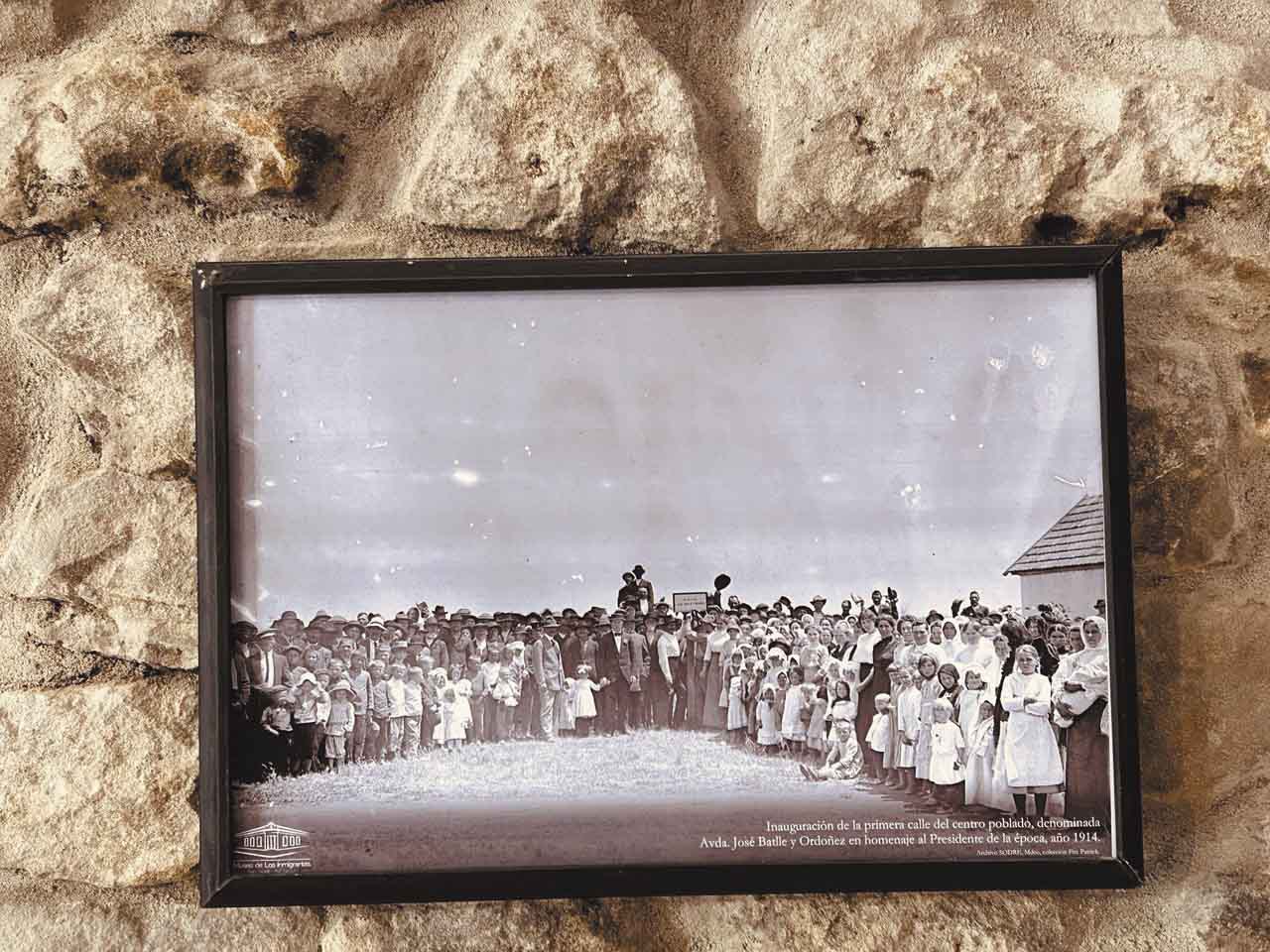
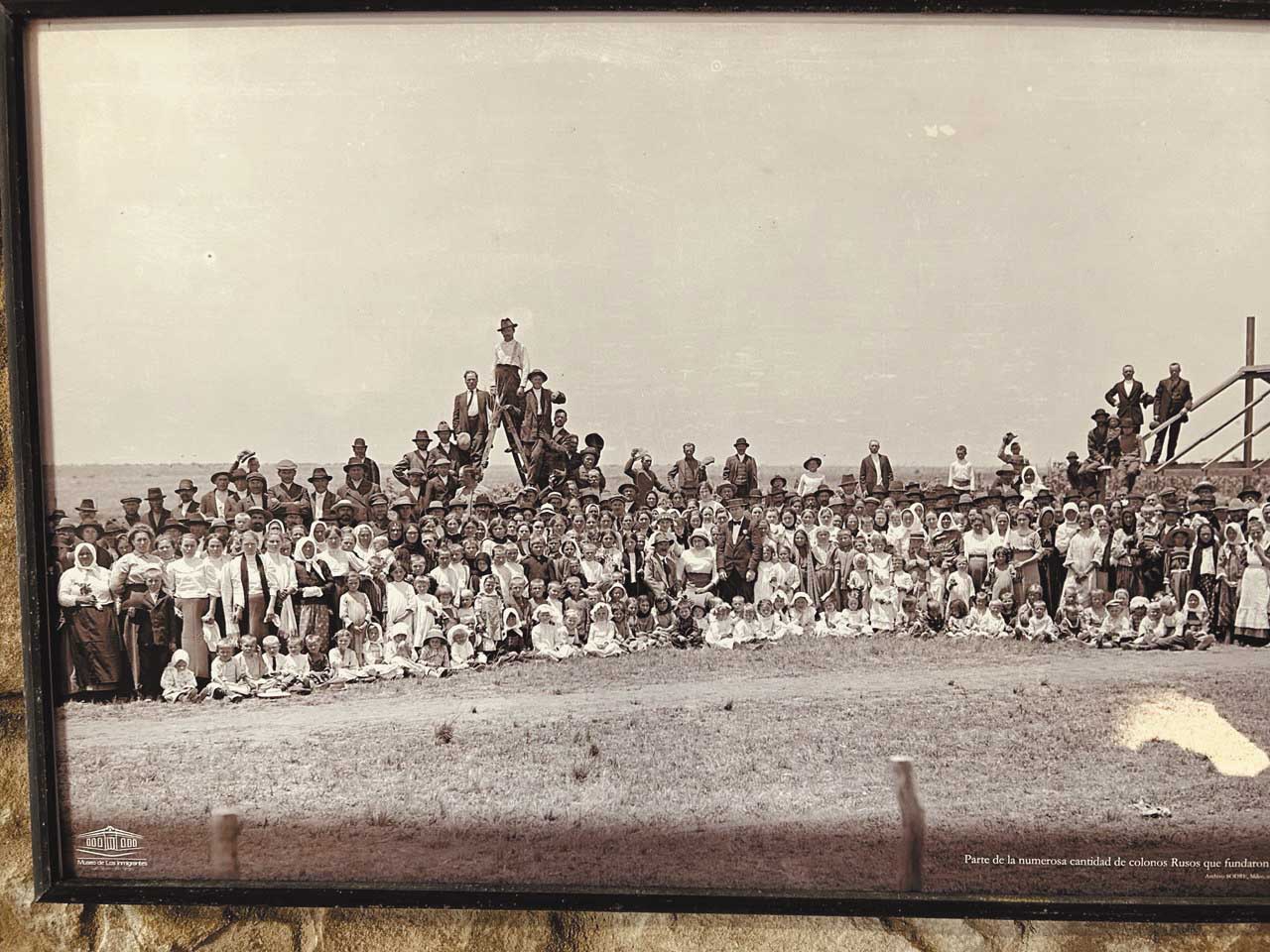
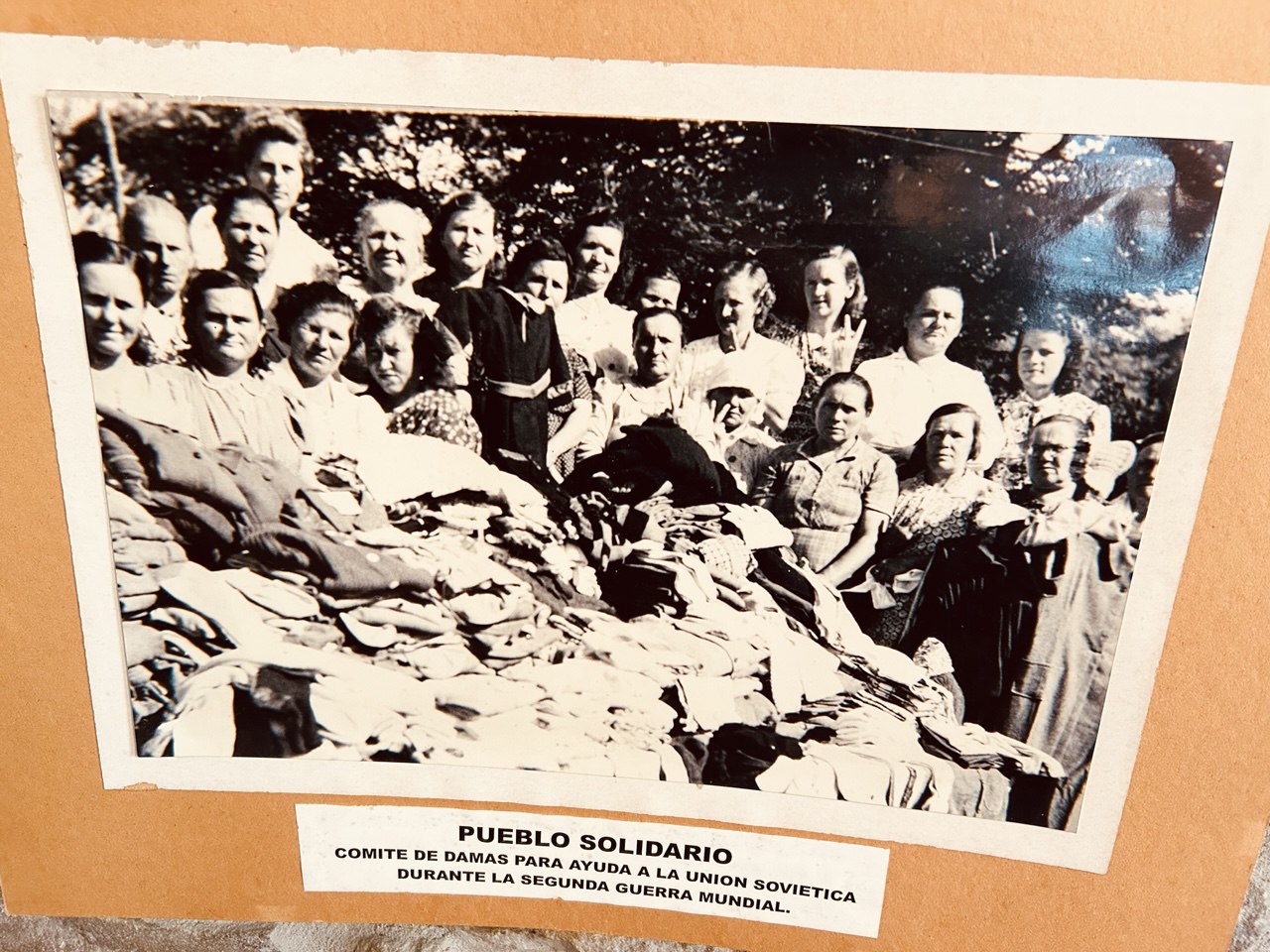
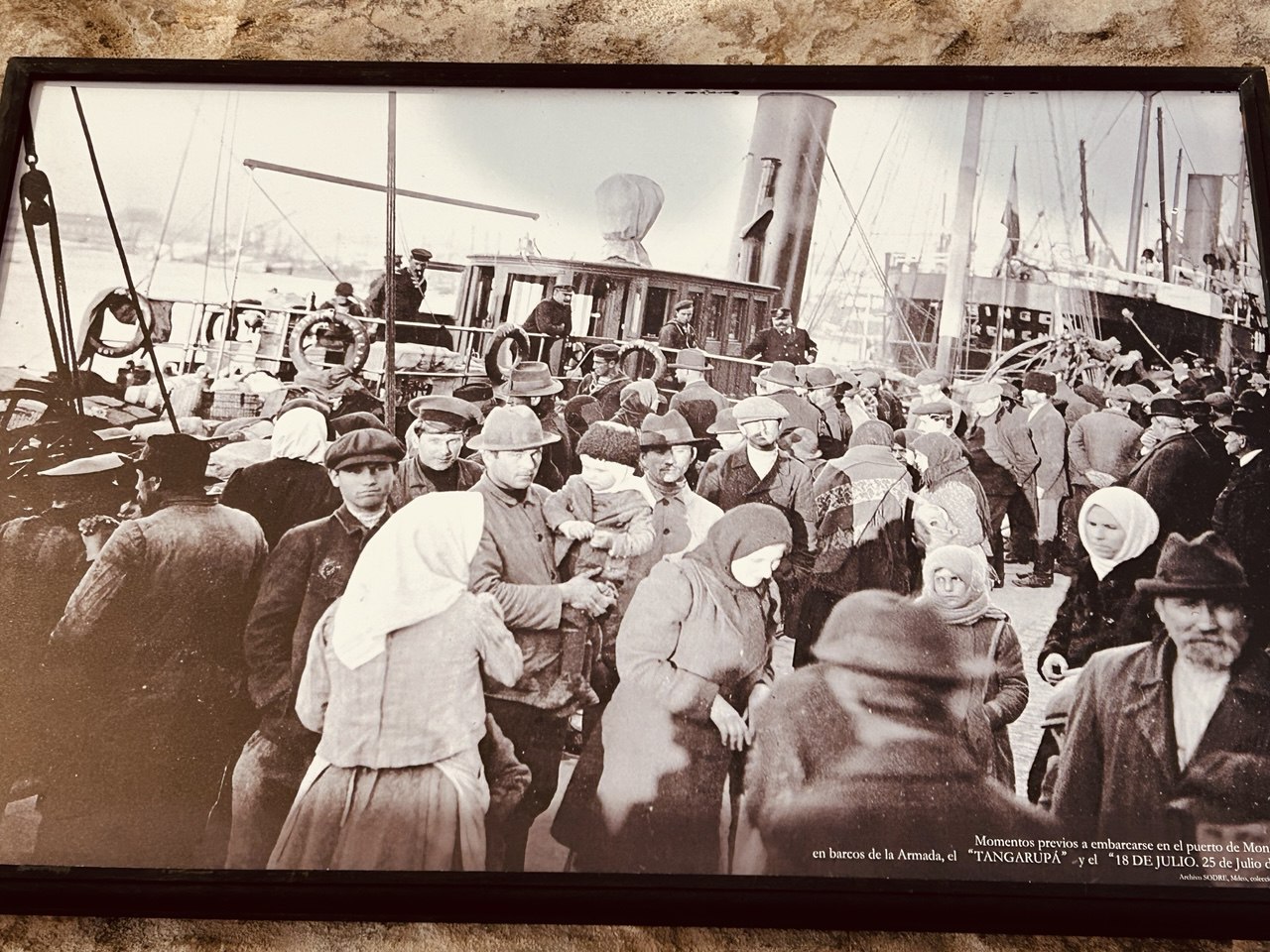
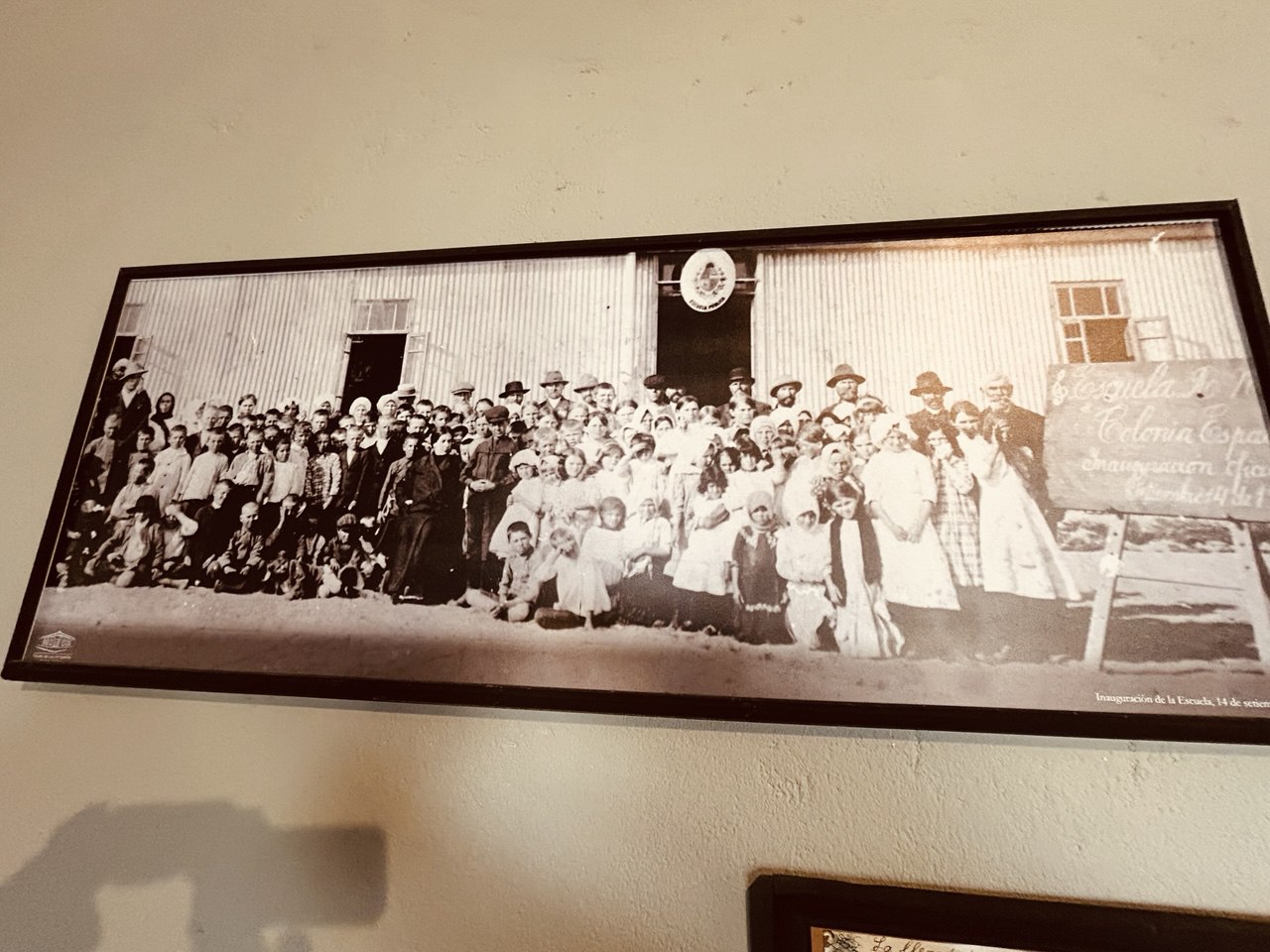
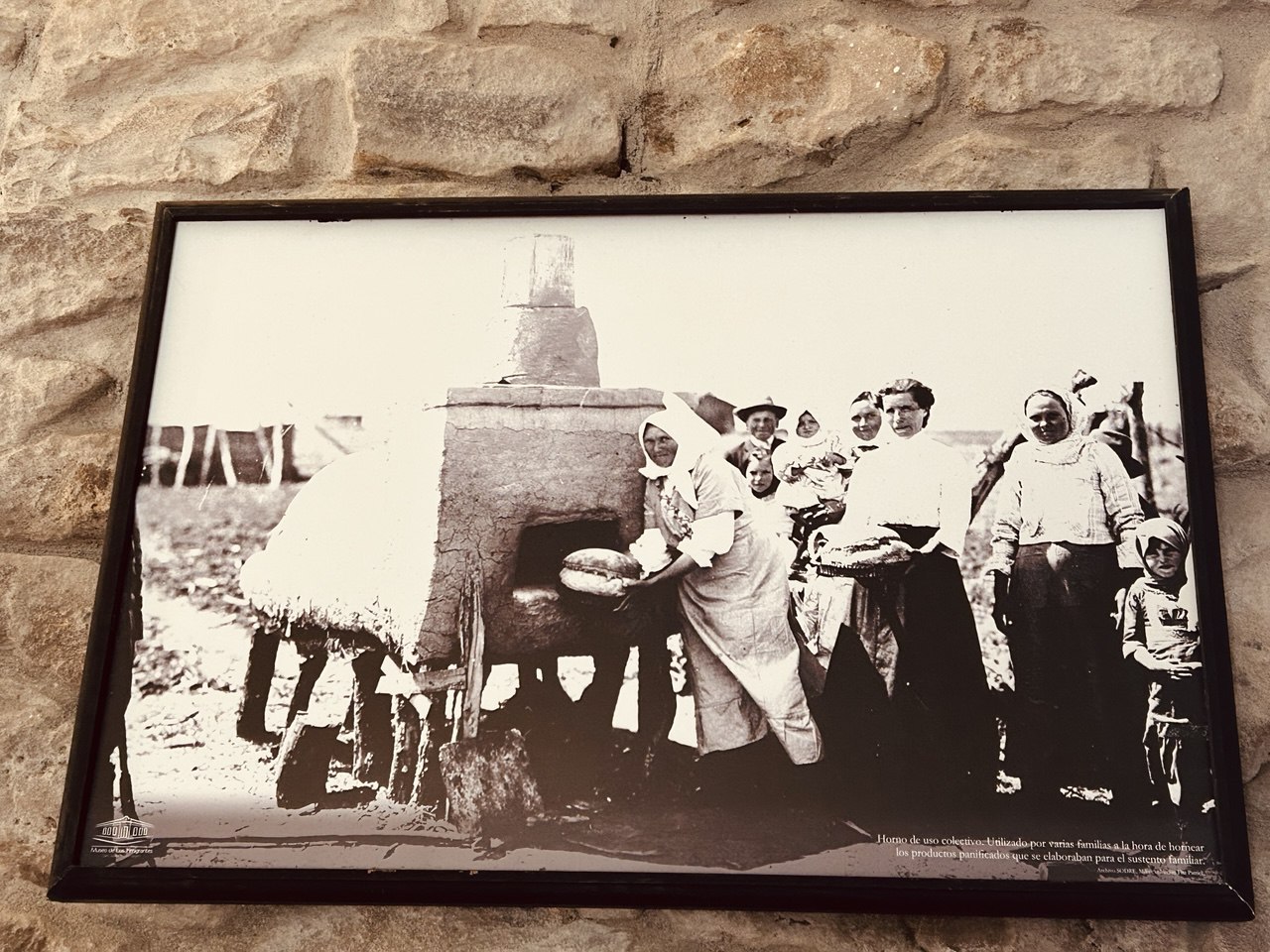
And then the revolution happened in Russia, the Provisional Government declared freedom of religion, and later the Bolsheviks promised land to the peasants. And some of the Russian Uruguayans moved back to Russia. How it ended for them — is clear: collectivization and the GULAG. Some realized and quickly returned to Uruguay. In San Javier, they organized a cooperative, there was also their own school. Their own store. Their own cultural center named after Maxim Gorky, there was a library of Russian books. Their life is detailed in the museum.
Lubkov ruled with an iron hand, expelling those who violated discipline. Festivals and performances were held in the town, employees of the Soviet embassy in Montevideo came here. And then the junta happened, the dictatorship. Fearing communist influence (and in Latin America after Castro's success in Cuba, leftist sentiments were very strong) the center was dispersed, Russian books were destroyed, one of the community leaders, Dr. Vladimir Roslik, was arrested, tortured, and killed. He lies in a rural cemetery on the outskirts of the town:
5.jpg)
In the mid-1970s, juntas came to power in Chile, in Argentina, in Brazil, the junta had long been there. Venezuela experienced a dictatorship in the 1950s and then again under Chavez in the 2000s. In Cuba, Castro's repressions were ongoing.
In short, from the Russian community, there remains a museum and a very touching rural cemetery, which is cared for by two Uruguayans in jackets with the inscription RIO NEGRO.
.jpg)
12.jpg)
Here lie both Russians and Ukrainians. There are graves with a red star, there are ones — in military uniforms of one of the Russian armies, there is something very touching: here lies Grandma Rosa. Walking through the cemetery is terribly sad. How far they ran. And how forever alone they are now. By the way, in 1966 next to San Javier in the colony of Ophir, Old Believers settled. But they didn't stay long either.
6.jpg)
7.jpg)
2.jpg)
4.jpg)
8.jpg)
3.jpg)
11.jpg)
10.jpg)
9.jpg)
Why are they fleeing from Russia?
We are used to thinking that there were three waves of emigration from Russia — post-revolutionary, white, Jewish emigration of the 70s-80s, and now the third, Putin's. In fact, there were significantly more emigration waves.
In the second half of the 19th century, religious emigrants fled, those who split off or did not recognize the Russian Orthodox Church.
At the end of the 19th century and the beginning of the 20th, after a terrible wave of pogroms in southern Russia, in Ukraine, in Bessarabia, one and a half million Jews emigrated to the USA, and the USA broke off trade relations with the Empire.
At the same time, 7500 Doukhobors — another direction of spiritual Christians, who had been persecuted and exiled from the metropolis to the outskirts of the Empire, to the Caucasus, for decades, were forced to leave for Canada. The Doukhobors became widely known thanks to Leo Tolstoy, who greatly helped the Doukhobors.
After the revolution and the Civil War, the aristocracy, merchants, scientists, philosophers, creative intelligentsia, soldiers, sergeants, officers of the White Army — several hundred thousand people — emigrated.
Then there was post-war emigration — defectors — from among those taken to work in Germany, Poles (about a hundred thousand of them left), and so on.
Jewish aliyah of the 70s-80s of the twentieth century.
Pentecostals, Adventists, Baptists, who in Soviet times were imprisoned for refusing to go to the army, take up arms, emigrated during perestroika — in 1990 I interviewed them in Chicago for the Chicago Tribune, where I worked.
At the same time, Sabbatarians from the Tambov and Voronezh regions also went — they went to Israel.
Finally, our, Putin's emigration, is by no means economic — it is political. The fantastic neglect and waste of human capital both under the tsar, under the Bolsheviks, and under the Chekists.
The omnipotence of the state, contempt for individual rights, state church, extreme intolerance — religious, racial, ethnic, political... That's what they fled from. And we are fleeing. What kind of country doesn't need people so much? And why does it pull back so much?
* Evgenia Albats is declared an «foreign agent» in Russia.
The material uses photographs by the author.