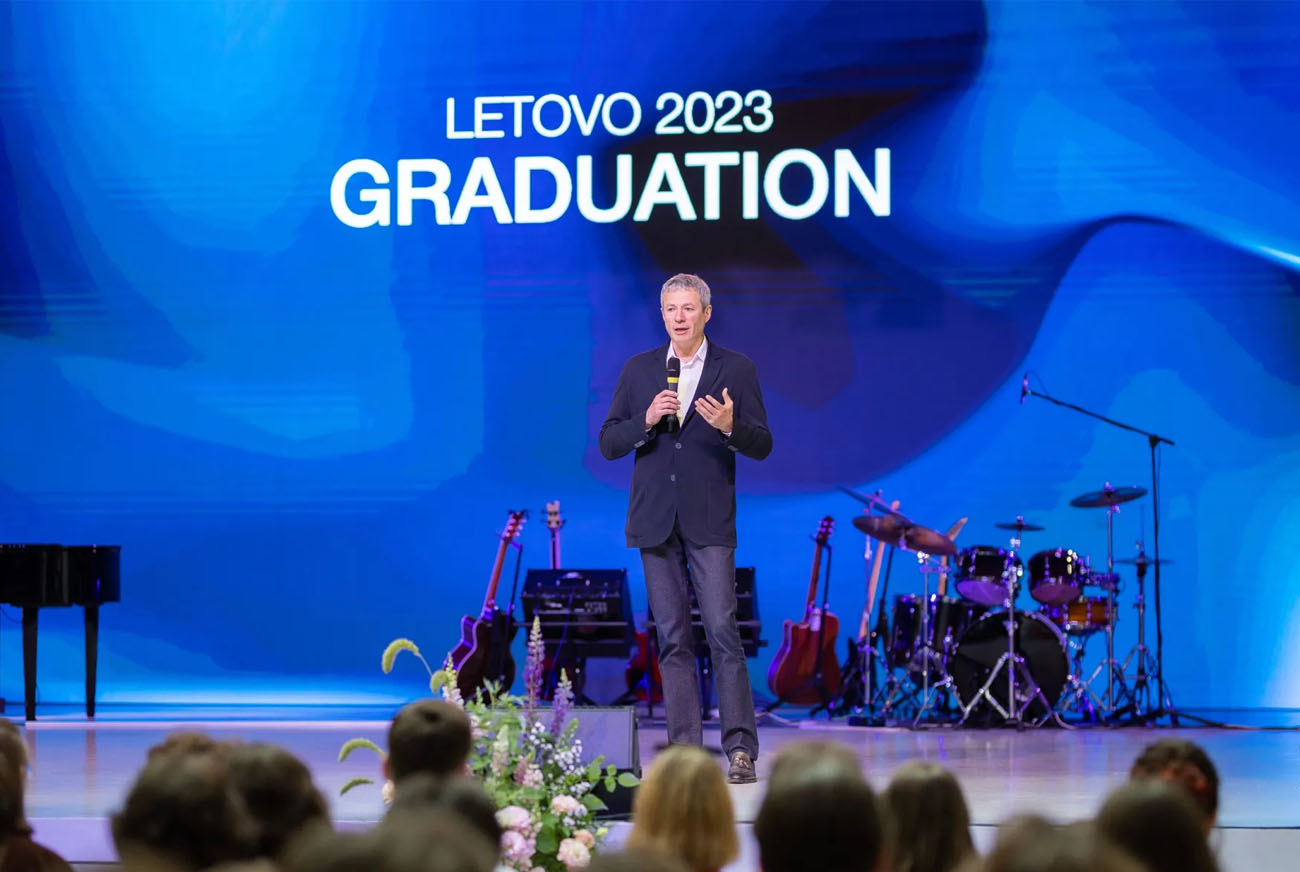
Vadim Moshkovich at the graduation of the «Letovo» school in 2023. Photo: Page of the «Letovo» school in VK
Evgenia Albats*: 2.7 billion dollars, according to Russian «Forbes» estimates (according to other estimates, 2.9 billion) — the fortune of Vadim Moshkovich, a well-known Russian entrepreneur who is a co-owner of the company «Rusagro». He is also known for creating the best private school in Russia with an IBA program, «Letovo». It admits students regardless of financial capabilities, with the school or the school's fund, i.e., Moshkovich himself, covering 65% to 70% of the tuition. This allows talented children from all over Russia to be admitted, regardless of their financial capabilities and their parents' names. Last week, Vadim Moshkovich was unexpectedly detained. He is accused of fraud and abuse of power. A bail of one billion rubles was offered for him, but the Russian authorities deemed that they did not need this small change and left Moshkovich in pre-trial detention.
Many of us immediately remembered precedents. In 2003, when it was necessary to take away the oil company «Yukos», Mikhail Khodorkovsky was imprisoned. At that time, his fortune was 14 billion dollars. There was a famous story with Vladimir Gusinsky, who was put in Butyrka, promised to be put in a cell with an AIDS patient, with all the consequences, if he did not sign a waiver from NTV. He signed everything, was released, left, then contested it, but of course, lost the NTV company. Then there was the story with Michael Calvey, a famous American investor. In 2019, he was also imprisoned. He was famous for attracting a large number of investors through the company Bering Vostok, and thanks to him, Yandex and Ozon appeared in Russia. He developed technological projects, did not invest in projects related to the state, but this did not prevent him from being imprisoned, sentenced to five and a half years of probation, after which he was released. He left, and he was quickly sentenced to pay up to two and a half billion, etc. In short, Vadim Moshkovich's story is preceded by a rich list of similar cases. Therefore, of course, everyone got excited.
Vadim Moshkovich never engaged in politics. Moreover, when he was threatened with being declared a «foreign agent», he transferred the company that owned his assets in Russia from Cyprus to Moscow. And now he is in pre-trial detention. Andrey, what do they say about this in Moscow?
Moshkovich, as they said, participated shortly before the arrest in a meeting with the president. It smells a bit like Stalinism when you met with comrade Stalin, even talked to him, and at night you were taken
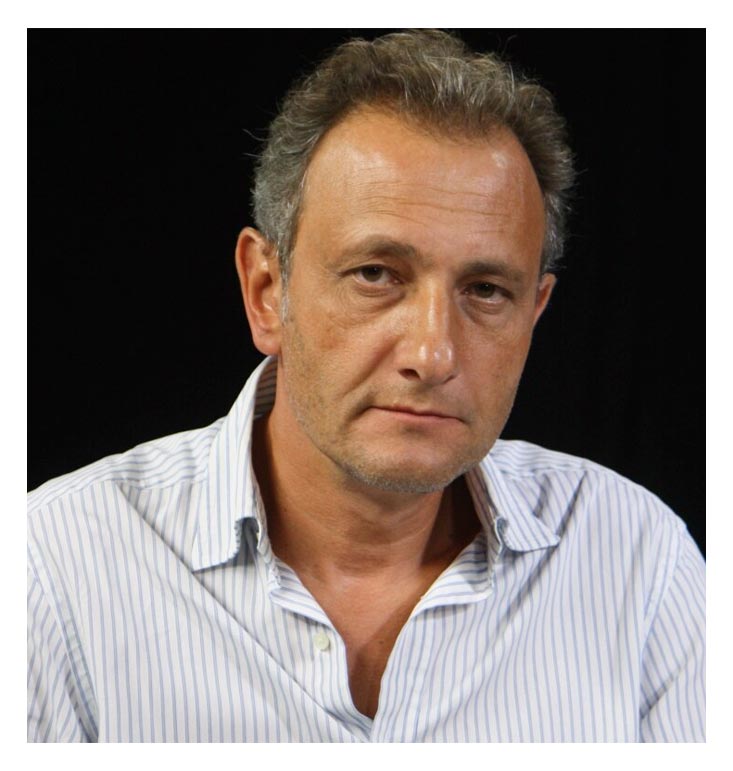 Andrey Kolesnikov: In Moscow, they say little or nothing about this. As far as I understand, all business rumors are now in Dubai, where people talk to each other. There they loosen their tongues and tell something to journalists, including Russian journalists, mostly in exile or working for, say, «Bloomberg» or similar companies. Here no one tells anyone anything. Every sound is heard here and echoes somewhere, so people from the entrepreneurial class prefer not to seriously discuss such things. But even against the backdrop of what is happening here, it was another shock.
For people in the circle living with the news, it was completely unexpected, wild, incomprehensible. If this is educational in nature, then who else is there to educate, everyone already understands how to behave. And he himself, as they said, participated shortly before this in a meeting with the president. It smells a bit like Stalinism when you met with comrade Stalin, even talked to him, and at night you were taken. There is some strange shade here. After all, an entrepreneur of such a scale could not have been arrested without serious sanction from above or from the very top. Hence the misunderstanding of what is happening and why.
All this really falls in line with the destruction of the investment climate as such in Russia, the destruction of it by actions of nationalization, systematic destruction, including by such means, when it is unclear why a person who tried to play by the rules and brought obvious benefits to the economy suddenly ended up behind bars. The courts are now very harsh, they may not release on bail, even such a huge one, and without a command from above, no one will do anything. Obviously, the court is frightened by the case that came to be considered. The nature of the fraud charges resembles all the listed cases. Something in the genre of «stole oil from himself».
Evgenia Albats: And what do the propagandists say?
Andrey Kolesnikov: The official press covers this story very neutrally, at the level of news. Now there is a lot of such coverage of events in a neutral cold tone. If there are no instructions from above, the official legal press avoids evaluations.
«Strategic» Company
Evgenia Albats: What kind of company is «Rusagro» and why is it so important?
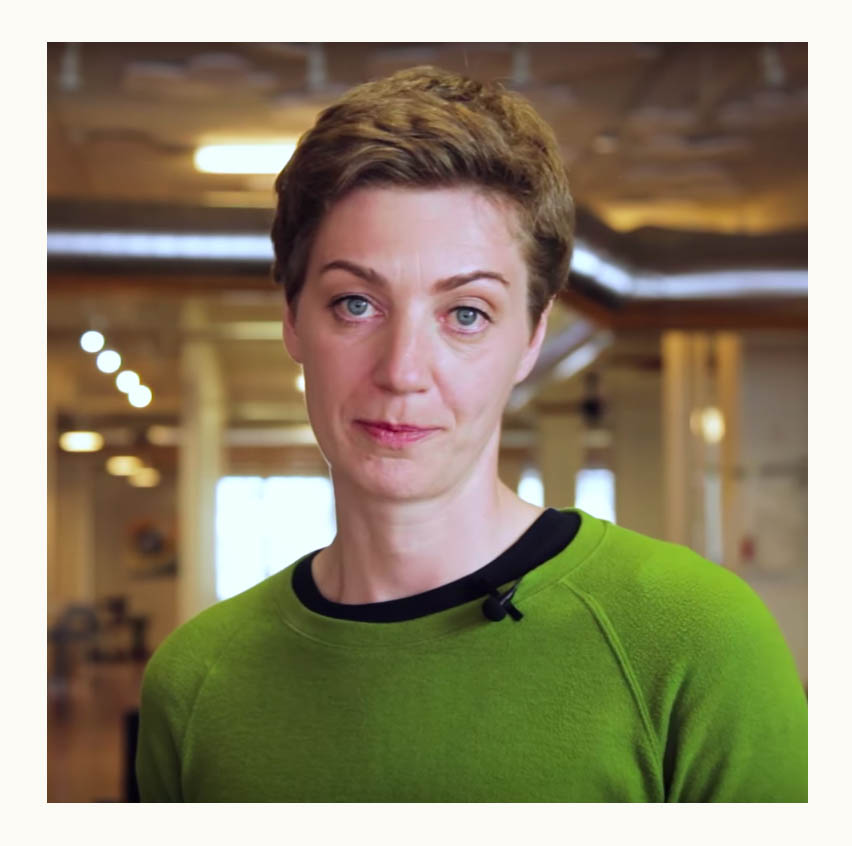 Elizaveta Osetinskaya: The «Forbes» magazine has a ranking of landowners. In this ranking, I believe, of 2022, «Rusagro» occupies an honorable sixth place. A strong place because it is a ranking by the value of lands, and there are, for example, companies with less land, but they are slightly more expensive. «Rusagro» has quite a lot of land, 600 thousand hectares, and their value is quite decent. The war gave the government a reason to include «Rusagro» in the list of so-called economically important companies, which is not necessarily very good for the company, rather tense, because it primarily means that the assets of this company must be in Russia, the property must be registered in Russia. Moshkovich had to semi-forcibly redomicile, there is such a term, that is, change the jurisdiction of the company. Before that, the parent company was in Cyprus. And it was precisely with this that the government began to actively fight after the start of the war. Not all oligarchs or large entrepreneurs were ready to return to their homeland.
After the imposition of sanctions, they saw that yes, they would be affected, but on the other hand, at least you are free. Because being inside is a risk, and there is no alternative, it's a choice without a choice. And this redomiciliation happened with «Rusagro». However, I heard rumors, but have not yet had time to find confirmation, because for this, after all, personal communication is required, that he redomiciled, redomiciled, but did not fully redomicile.
Evgenia Albats: So he didn't transfer everything?
Elizaveta Osetinskaya: Well, something like that. Or maybe not very willingly. Interestingly, the court in its arguments, why it is necessary to imprison rather than send under house arrest and not release on bail, talked about the Israeli passport (he might escape) and that the children live abroad. In the emotional balance, this situation with the children may not play in favor of the person against whom the competitors' attack is directed.
Evgenia Albats: Vadim Moshkovich was probably a very loyal businessman, since he had the opportunity to buy such a large amount of land. They wrote that he had a conflict with Sergey Sobyanin, he wanted to start a big construction, build some kind of satellite city of Moscow, he was not allowed, as a result, he sold his lands near Moscow and gave part of the asset directly to the city of Moscow. The media write that «Rusagro» produces sugar (and much more) and supplies sugar to the largest candy companies in Russia. He has competitors in the form of the younger Patrushev, the son of the former Secretary of the Security Council, FSB-KGB General Nikolai Patrushev — Dmitry Patrushev is engaged in business precisely in this area. I once was interested in the commercial claims of this family, and I was told that Patrushev Senior is not a commercial person, but Dmitry Patrushev is very much so. They also write that Moshkovich's competitor was State Duma Speaker Vyacheslav Volodin, who through chains owns a large business precisely in the agricultural sector. And he may also have claims to «Rusagro». That's why I asked what «Rusagro» is, that it's worth imprisoning a person with a fortune of 2.7 billion for it.
Elizaveta Osetinskaya: Well, you know, you can imprison anyone. I think it's much simpler. There is a company «Sunny Products», its acquisition helped Moshkovich become number one in mayonnaise production in Russia. «Sunny Products» is officially the source of wealth or simply the state of <State Duma Speaker> Vyacheslav Viktorovich Volodin, because until 2007 he owned it, he and his mother, and then sold it to his business partner named Burov. Sold or gave «to support» — we do not know, but knowing Russian practice, we can assume anything. Apparently, going into big political activity and wanting to make a political career, he made such a decision.
What happened to these «Sunny Products»? Their affairs were not going well, they were heavily indebted to creditors, and «Rusagro» bought part of these debts. And then launched a bankruptcy procedure, which, as you know, reduces the possibility of recovering these debts. As a result, the previous owner and the current one began to accuse each other, in this dispute there were attempts to turn everything into a criminal case, more than once. And either they refused to initiate a criminal case, or returned it. The current fraud charge is the result of another attempt to initiate such a case. So this is a classic variant with a «dispute between economic entities». As was the case with Calvey, as was the case with Abyzov, as was the case with «Volna» and «Apatit» with Khodorkovsky at the very beginning, before «Yukos». Here is the same situation.
But imagining what kind of people stand behind these unfortunate «Sunny Products», one can assume that a resource was turned on. Moshkovich, who has been in business for so many years, probably also has some kind of resource. And here is resource against resource, whose is stronger, because they tried to initiate the case before, the resource was turned on, but another resource turned out to be stronger. Now the confrontation has reached an extreme point. I am not personally acquainted with Moshkovich, but it seems to me that he is a person who was not afraid to enter into conflict. However, the price of conflicts, so to speak, has increased.
Whose Interest?
Evgenia Albats: Speaking in simple accessible language, Moshkovich had a roof, because otherwise he could not work in Russia. This roof, of course, was among the Chekists. No other roofs work now. Andrey, do you have an understanding of what could have happened, what Moshkovich had to violate, that they decided to imprison him, as Calvey or the owner of «AFK-System» Yevtushenkov were imprisoned in their time. Yevtushenkov, as you remember, at one time did not agree to sell «Bashneft», which Sechin with «Rosneft» claimed, for the offered price, then he was simply placed under house arrest, a criminal case was initiated, accused of something he cheated with «Bashneft» shares, and taken away for free. Still, what is it? If it were an oil or gas asset, I would not ask. But why suddenly agriculture? And why now, when suddenly Trump loved Putin and in Russia they started drinking champagne, because everything will end soon, sanctions will be lifted, and foreign investments will return? But what a foolish person, seeing how 2.7 billion is taken away by imprisonment in pre-trial detention, will now return to Russia? Some contradictory steps of the Russian authorities, don't you think?
Always behind such cases is a trampled corn of Igor or Ivanovich or someone else from the «masters of life». Someone's interest is violated, that's enough
Andrey Kolesnikov: Well, of course, contradictory. As for what happened, probably someone's interest was affected. This someone is very influential. Whether Volodin, or the younger Patrushev, these are influential people, and they are on the informal list of possible successors, although it's a bit funny to talk about it, but this is a list of the largest loyalists of Putin, and of course, their resources are gigantic. Always behind this is a trampled corn of Igor or someone else from the «masters of life». Someone's interest is violated, that's enough.
And so, of course, who will come here, except adventurers, after such stories, with the lack of protection of property rights, with ongoing nationalization. Or those who at the highest level now agree on something, on some mega-projects, as it was in Soviet times. Some new type of Armands Hammers will appear, they will have the right to do business here, say, when and if there is this deal on rare earth metals, Americans will be allowed here, and they will develop this practically undeveloped industry here for colossal money. But strictly with the approval of the very first persons.
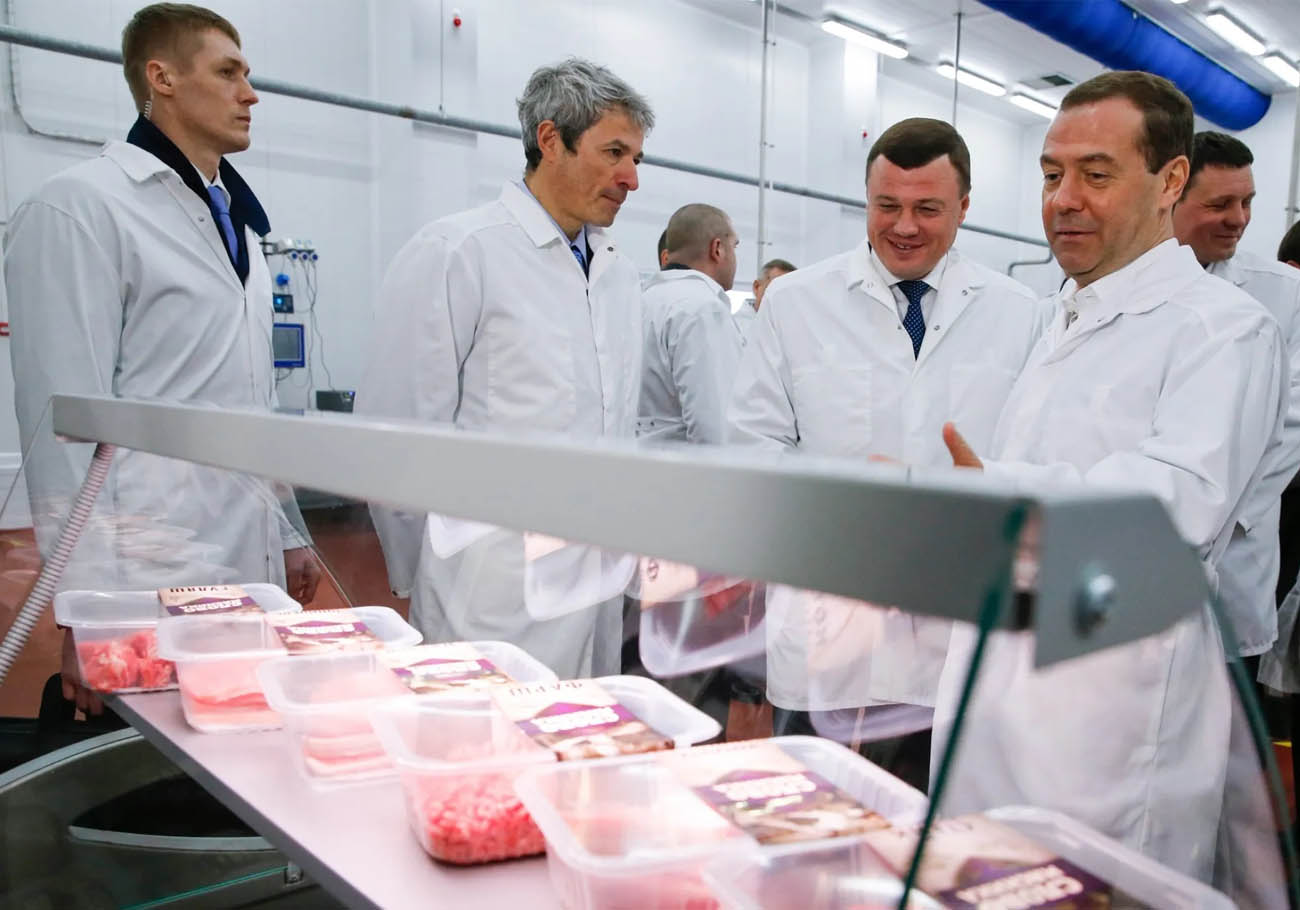
From right to left: Dmitry Medvedev, Governor of the Tambov Region Alexander Nikitin and Vadim Moshkovich at the «Tambov Bacon» plant. April 4, 2017. Photo: D. Astakhov / TASS / Profimedia
Evgenia Albats: But at what level should permission have been given to send a person of Moshkovich's level to prison?
Andrey Kolesnikov: Maybe we are exaggerating the scale of the story, and here it was enough to play some game with conditional Volodin. A person with a gigantic resource and having an interest in this business. By the way, agriculture is a great business. One of the fastest-growing industries in recent years. And everything is wonderful there. A very profitable story. Pigs grew at an incredible speed... And maybe it was not necessary to go to «papa», but to solve the issue with the understanding that from Moshkovich's side, for example, no one will run to «papa», now it is difficult to get to him with such a problem.
What else can be added in these reflections? We return to the plot of deprivatization, or nationalization, or transfer of property by the prosecutor's office: a strategic object, foreign interest, «not in the interests of the state», and so on. It seems, as they say, the prosecutor's office acts here quite independently, almost retroactively agreeing on what happened. It is important here that Putin likes it and he is not against some independence of some players in such stories. Do not disturb me every time this happens, I will look later and, if I want, express my opinion. I will say that there is no campaign, I did not give the command. The prosecutor's office deals fairly with what happened. I am for private business, for privatization. Siluanov says that a large privatization is needed. Also good, let it be.
It seems like two opposite processes. Although privatization is possible and those assets that came to the state thanks to the prosecutor's office. And now normal, «correct» owners will receive this toxic asset, transferred from the enemy of the Motherland to a worthy person, to the chairman of the association of boxers, to Kadyrov's nephew. Something like that. Here it is, justice, new beneficiaries become owners of such assets.
Who Will Want to Return
Elizaveta Osetinskaya: I want to continue this thought, because The Bell even had a ranking of these new owners, the new economic nobility. And it is curious that those same, for example, western assets have very interesting new owners, they often have some proxies among the Russian authorities, some partners, acquaintances among vice-premiers, close relationships with ministers. That is, the new distribution of assets is going among the elite. And I think that the withdrawal can happen quite routinely, without disturbing, so to speak, the main ruler, who is busy with the international agenda and the war, and there is no need to bother him. He has long been tired of these domestic squabbles. Finally, sort it out yourselves. There are institutions after all, in the form in which they are perceived in Russia. The prosecutor's office is a wonderful institution, it solves all issues. It seems to me that this is approximately how it is arranged.
As for international companies, you know, Andrey, I will argue with you. It seems to me that they have long been not as delicate as you painted them, and they perfectly understand what the investment climate in Russia is, they have been shown everything many times. How they will be removed, how they will be thrown out, and in general, those who have ears should hear. In principle, it was possible to figure it out a long time ago, even 20 years ago, with the Khodorkovsky case. It seems to me that there is a class of companies that are under pressure from their shareholders, insisting that it is necessary to grow, and they will go at any cost to specific markets where the law of the strong operates. After all, Russia is not the only country where the law of the strong operates. Oil and gas companies work in Nigeria, they know how to work in such conditions. Therefore, if there is an opportunity, many will go. There are those who will not go, and those who left demonstratively, or helped employees evacuate, or find jobs. They will not go themselves, and they will not be allowed. And others will be allowed. Here is the story about «Ariston», for example, wonderful. One-two, and here we are back.
You see, the European economy is not growing. A market is needed, and there are 140 million people living in Russia. It seems to me that for many years we underestimated the degree of cynicism in business. This is also related to human nature. In bad circumstances, many often begin to behave badly. In good circumstances, they behave well. But it is the same with business. After all, the task of business is not to comply with standards, but to make money in a relatively decent way.
Andrey Kolesnikov: It may very well be that this is how it will happen. It seems to me, indeed, partly it also depends on the country with a certain business culture, Italians are more relaxed about what is happening, and more pragmatic, perhaps. We conducted research back in the Moscow Carnegie**, probably in 2018 or 2019, about the attitude of foreign business to the environment surrounding them. And it so happened that the focus was mainly on Finnish companies, there were a lot of them here. They said that they were very honest, never gave bribes here. There was a very powerful construction company, for example. The Russian environment somehow got used to it, well, they don't give, to hell with them, let them work. They all left, all of them. And everyone says they won't come here because they have no trust. Such a simple honest truth. Maybe the Finns see it that way, and the Italians see it differently, the Austrians differently, the Spaniards differently. Someone, without a doubt, will take advantage of the opportunity, believing that it is better to occupy those niches that can still be occupied. Maybe, in such logic, they will start returning.
But the problem of trust still exists, the problem of the investment climate. And the problem of the regulatory environment, which has sagged, to put it mildly. The rules change as the boss wants. This is a risk, a risk of losing your property. And very contradictory feelings among the local business elite, political elite, political-economic elite. Like, we would like you to return, come back. The doors are open. But, you know, the rules will be stricter. But, nevertheless, you come back. They are talking to themselves for now. It looks a bit strange. I think there are some people who are really having a conversation. Well, like Kirill Dmitriev. But this is some kind of mumbling. Are they convincing themselves that they are open? Or who are they talking to? Who is this message for? It seems to me that it is not very much heard yet.
The story with Moshkovich is very suitable for the present moment, for the present time, when your risk is much higher, even with all the billions. These billions have less protective power
Evgenia Albats: Returning to the Moshkovich case. Moshkovich is a person who started back in the days of the wild Russian market. We all remember the beginning of the 90s, when the main question that Western companies asked when coming to the post-Soviet Union was what are the exit options: how to run away, in case of what, with whom to deal to run away, and so on. Moshkovich is a very experienced person, he had a roof. So, probably, he was warned. You wrote, Liza, about the Michael Calvey case. If you compare it with the Moshkovich case, do you see any intersections?
Elizaveta Osetinskaya: It seems to me, everything is different. It seems to me, Moshkovich can even be depersonalized. I mean, he is a fairly typical example for a person of his status and fortune. He is under sanctions. All his business is in Russia. In a sense, he did not choose, but fate chose the side for him. There are people who go ahead and say: «I will sit for a while, but I will prove». In the sense, I will prove that I am right in this conflict. Because fleeing in this situation will be perceived badly. Rather as a betrayal. That is, it will completely transfer you to the category of enemies. Mikhail Gutseriev's departure in some seventh year is a completely different story. That is, then it was understandable, explainable, but in this situation to leave is to act completely differently. The story with Moshkovich is very suitable for the present moment, for the present time, when your risk is much higher, even with all the billions. These billions have less protective power.
Evgenia Albats: So the lesson for businessmen — it doesn't matter how much you have created and what your fortune is, but whether you managed to negotiate with the people who decide who sits and who doesn't, who lives and who dies, if you didn't negotiate, right?
Elizaveta Osetinskaya: It seems to me, these people don't care at all what you have created. And if you now recall «Letovo», this fantastic «International Baccalaureate» school that Moshkovich created, — it doesn't matter at all to those who make decisions, not at all. It's dust to them. After all, you understand that this makes Russian graduates especially competitive. They can apply to you at Harvard or us at Stanford. But who needs this now? What kind of achievement is this? On the contrary: our talents are being drained from the country, giving them a bridge somewhere.
No One is Insured
Evgenia Albats: Do you think this case is the beginning of a campaign or a standalone case? Can we say that in Russia, as one of my interlocutors said, a great redistribution is beginning? And we will witness that everything that has not yet been taken will be taken.
Elizaveta Osetinskaya: These are separate cases that can be connected into one picture if desired. I will argue with your interlocutor: the process did not start yesterday or the day before yesterday, it has been going on for a long time. This is forceful entrepreneurship. Books have been written about it, then we observed it in separate cases. It just reaches us in flashes. And if you look at a lower level, remember who was sitting in Butyrka? There are constantly CEOs, some deputy ministers, and they all have something, and they all have Article 159 — fraud. How many times has it been discussed, and it doesn't go away. It seems to me, now no one is insured.
Evgenia Albats: Then who is next, Andrey? Well, purely logically.
Andrey Kolesnikov: Well, purely logically, it seems to me, there are still some differences between this series of claim stories from the prosecutor's office. There are still large businesses, but they are not of such a scale. And this story, standing separately, there is no prosecutor's office here, there is something else. But this is the general atmosphere. You can still build a third line of this kind, these are arrests for various reasons of high-ranking government officials. There are many of these arrests. Nikolai Petrov, a well-known political scientist, is engaged in sometimes calculating the percentages of regional and federal officialdom, how many of them annually go to prison.
I don't remember the exact percentage, but it's not small. In fact, it is now dangerous to be a successful businessman and a successful or high-ranking government official. So why go there if such a risk exists a priori? You understand what system you have fallen into, it is quite tough. You have to work with your elbows, you will have to survive if you, conditionally, reach the level of deputy minister or head of a department of a serious ministry, regional or federal. So, it seems to me, this is in a certain sense too loud a case to be a system.
But like the Khodorkovsky case, although there is a political subtext, and here it is more likely economic, it is to some extent a lesson for others. Notice, RSPP is silent. The union decided to remain silent. Although they just held a congress, and just from the rostrum Alexander Nikolaevich Shokhin asked Vladimir Vladimirovich Putin, isn't it time for him to talk to Trump? He replied, well, what are you, here I am talking to you, you are such important guys. «Important guys» are now just afraid to raise their voice. Probably, they know something more than us and therefore are silent.
Evgenia Albats: Liza, weren't you surprised that RSPP is silent?
Elizaveta Osetinskaya: No, it surprised me. It amused me, let's say. That is, they started with defending Khodorkovsky, but not all, and they put forward one Chubais, the rest remained silent. Then they said something, and now... The detachment did not notice the loss of a fighter.
Without Mercy
Evgenia Albats: Do you think they will negotiate with Moshkovich, who is sitting in pre-trial detention? Will he sign off everything that is needed? After all, we know that Calvey was bent. By the way, he just released a book in which he roughly says: «Don't even think about going to Russia». Do you think they will negotiate with Moshkovich or will they go for some tougher option, as it was with Medvedev's businessmen, for example?
Elizaveta Osetinskaya: You mean the Magomedov brothers, obviously, and Mikhail Abyzov. It seems to me that the story was not that they did not want to negotiate with them and it was some kind of show trial, but that they were not ready to negotiate.
Evgenia Albats: They thought that the recent president of the Russian Federation was behind them.
Elizaveta Osetinskaya: It was a fundamental mistake because he did not stand up for anyone. It seems to me that here the situation is in some sense similar, but everything will depend on his negotiability. I think that reasonable people at some point understand that life is one, and it is easier to concede. Something will remain anyway, right? It is easier to negotiate than to give your life. That is, there must be a balance somewhere. And it has certainly shifted for the worse from the situation that was if these «Sunny Products» had been divided differently at the time. I'm not even sure that it's about the whole «Rusagro». Although, of course, with a person in prison, you can negotiate anything.
Andrey Kolesnikov: This system knows no mercy. Here it is worth speaking in a broader sense about the judicial system, the law enforcement system, which is extremely tough, and no evidence, appeals to the law, any emotional plots, on which lawyers could once win cases, work now. This is a very tough, excessively cruel roller, acting seemingly in accordance with the legislation, but the legislation is also quite harsh. Precedents of cruelty are not in favor of the person being released. But if he really knows who to negotiate with and to whom to concede in this situation, maybe they will negotiate, if this is, conditionally, the diocese of the younger Patrushev. If Moshkovich knows where this is coming from, then probably some signals he can still send.
And, undoubtedly, a person would like to live. After all, he has already done a lot, and the children, judging by everything, are settled. That is, this issue is resolved for him, but he needs to live his pension calmly. There is a slightly different case. For example, Alexey Valentinovich Ulyukaev — he sat after all, conditionally released early. I talked to him a couple of times recently. He is, undoubtedly, a person who looks at life and the values of life differently. Human value, communication with family, the value of a walk in the forest is now more important to him than any ministerial, deputy ministerial, and so on, or oligarchic show-offs. I think Moshkovich would now give everything just to return to normal life. These are fantasies, maybe, but maybe it will somehow help to negotiate. But I repeat, the system is very tough now. It's better not to get into it, under its wheels, because they have a bad reverse gear.
Evgenia Albats: Could the fact that Moshkovich is Jewish have influenced his detention?
Andrey Kolesnikov: I think that in the circumstances of today's Russia, this does not have fundamental significance.
Evgenia Albats: You know, if you listen to Dugin's interview, which he gave to the host of the program on CNN Fareed Zakaria, a very famous political scientist, political economist, he said two important thoughts. First, that Putinism won in the United States, and second, that we must create a Christian civilization. All his rhetoric does not allow any outsiders in this civilization of his. And rumors reach me that in Russia this is again becoming a fundamental question, whether you are a Christian or not.
Andrey Kolesnikov: I would say here that if RSPP is not very visible as defenders, then why not Jewish organizations, where, I think, Moshkovich is a member, stand up, they still have some influence. Just recently, two rabbis came to Putin. So on this line, if someone wanted to protect, maybe it was worth trying. Interesting, will it work.
Elizaveta Osetinskaya: I can't add anything about the Jewish question. I don't know how significant this factor is now. It seems to me that recently it was not an aggravating circumstance. Maybe something has changed during my absence?
Evgenia Albats: It has changed because Putin's relations with Netanyahu and Israel are spoiled, because in the war of Israel with Iran, with the Houthis, Hezbollah, Putin ended up on the other side of the barricades. Therefore, of course, the situation has changed. In any case, this is an interesting question. Still, let's hope that Moshkovich will be able to somehow negotiate, or his people will be able to negotiate. No «Rusagro» is worth ending your life in a Russian prison.
Reference
Elizaveta Osetinskaya was the editor-in-chief of leading economic publications in Russia — «Vedomosti», «Forbes», and «RBC». She graduated from the Faculty of Economics of Moscow State University, MBA program of the Academy of National Economy of Kensington University, studied in a one-year program at Stanford University, USA. In 2017, she founded the project The Bell («Bell») — an online publication and information bulletin specializing in business news.
Andrey Kolesnikov graduated from the Faculty of Law of Moscow State University. He was the deputy editor-in-chief of the post-Soviet «New Time», then the magazine The New Times. He was a senior researcher at the Carnegie Foundation until it was declared «undesirable» in Russia. Columnist The New Times, observer of «Novaya Gazeta». Collaborates with the historical-political magazine «Gorbi», which is published jointly with the «Gorbachev Foundation».
Video version:
* Evgenia Albats, Andrey Kolesnikov, Elizaveta Osetinskaya, The Bell are declared «foreign agents» in the Russian Federation.
** The Moscow Carnegie Foundation is declared an «undesirable» organization in the Russian Federation.
Photo of E. Osetinskaya: Screenshot from the project «Russian Norm».